English

Views: 0 Author: Site Editor Publish Time: 2026-09-18 Origin: Site


In the mass production of fully automatic biscuit production lines, fats and oils are the core raw materials that determine biscuit crispness, layered structure and shelf life. Different fats and oils differ significantly in melting point, shortening power, flavor and oxidation stability, directly affecting product quality and production efficiency. SINOBAKE, a specialist deeply engaged in the industrial bakery production line sector, holds that precise matching of fat types and product categories is a key link to improve finished product quality.
Shortening features a stable melting point and excellent shortening power, with good plasticity and creaming properties. It is compatible with the continuous rolling and laminating processes of large capacity bakery processing equipment, and can form a uniform crumbly structure, making it the mainstream choice for industrial mass production.
Butter delivers rich natural dairy aroma and a mellow taste, with a melting point close to human body temperature for a smooth melt-in-mouth experience. However, it has relatively low oxidation stability, and is mostly used in premium cookies and sandwich biscuits, requiring low-temperature mixing control matched with industrial dough mixing systems.
Vegetable oil offers good fluidity and low saturation, aligning with the trend of healthier products. Its shortening power is weaker than that of shortening, so it is mostly used in light-oil thin crisp biscuits. Formula and baking parameters need to be adjusted to match the heating curve of energy saving industrial tunnel ovens for bakery.

Short biscuits focus on crumbly texture and layered structure, with shortening as the main choice blended with a small amount of butter for flavor. Fat content ranges from 18% to 25%, adapted to the continuous rolling process of laminators and three-roller sheeters, ensuring uniform layering of finished products.
The biscuit bases of sandwich biscuits require both crispness and formability. A blend of shortening and butter is adopted to ensure structural strength while enhancing flavor, which is compatible with the high-speed forming operation of rotary cutters and reduces the breakage rate.
Thin crisp biscuits require a light, crispy texture and low oil sensation, and are mainly formulated with vegetable oil. Fat content is 8% to 12%, paired with the rapid baking process of far-infrared ovens, achieving a crisp but not hard mouthfeel.

The shortening power of fats and oils inhibits gluten network formation, which is the core source of biscuit crumbliness. When the melting point matches the rolling temperature, a continuous oil film can be formed during the laminating process, creating a clear layered structure.
Fat oxidation is the main cause of biscuit deterioration. Shortening has better oxidation stability than butter and vegetable oil, which can extend shelf life. Industrial procurement requires testing of acid value and peroxide value of fats and oils to ensure batch-to-batch quality stability.
Fats and oils with inappropriate melting points tend to cause dough sticking to rollers and forming difficulties, increasing commissioning time and loss on fully automatic biscuit production lines. Properly selected fats and oils can improve the continuous production efficiency of industrial bakery production lines.
As a professional solution provider of industrial bakery production lines, SINOBAKE recommends that factories formulate fat and oil blends based on product positioning, process equipment and market demand, and optimize production parameters in line with equipment characteristics, so as to guarantee finished product quality and production efficiency from the raw material end.

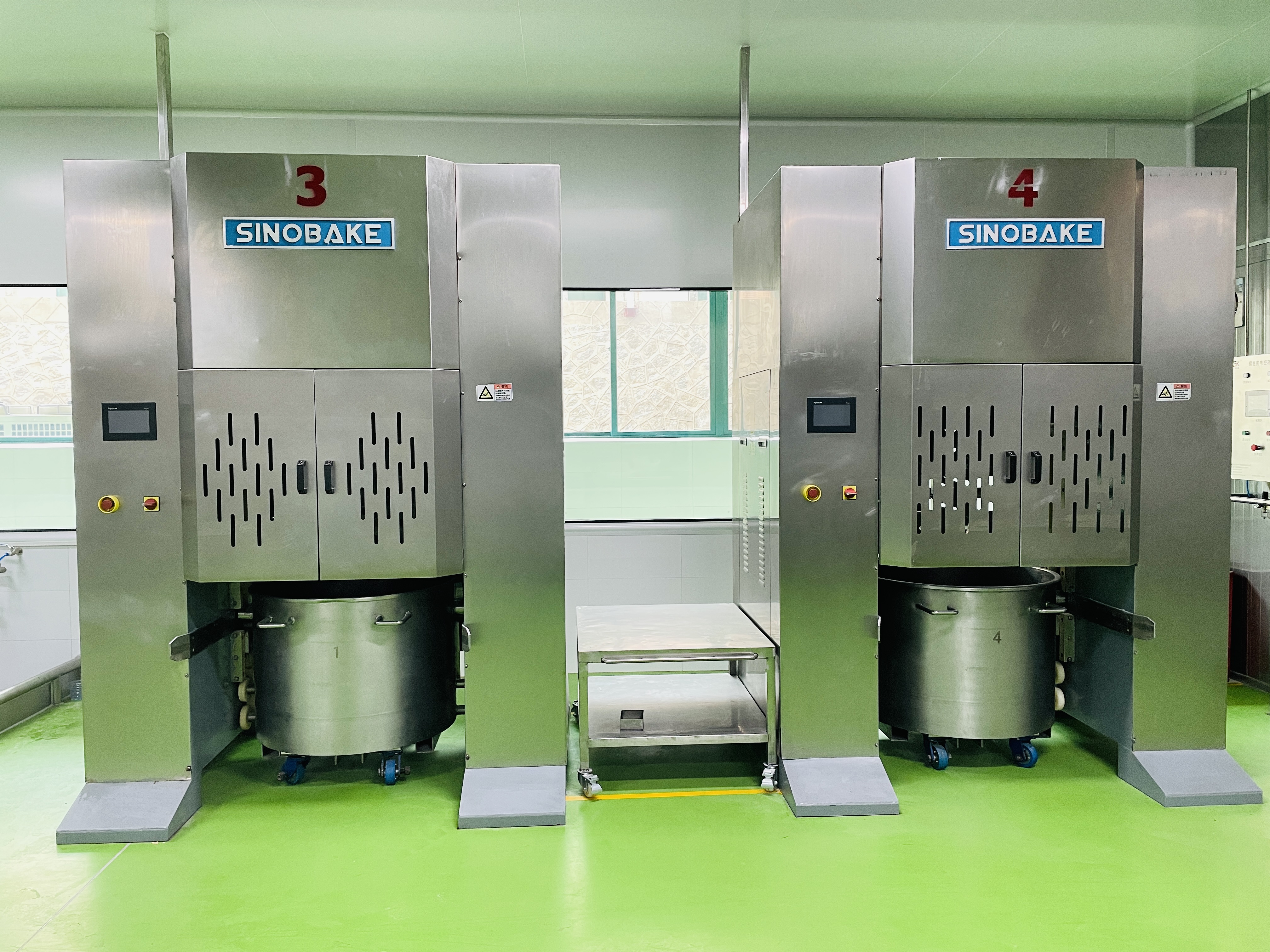 Cookie Dough, Cream Mixer
 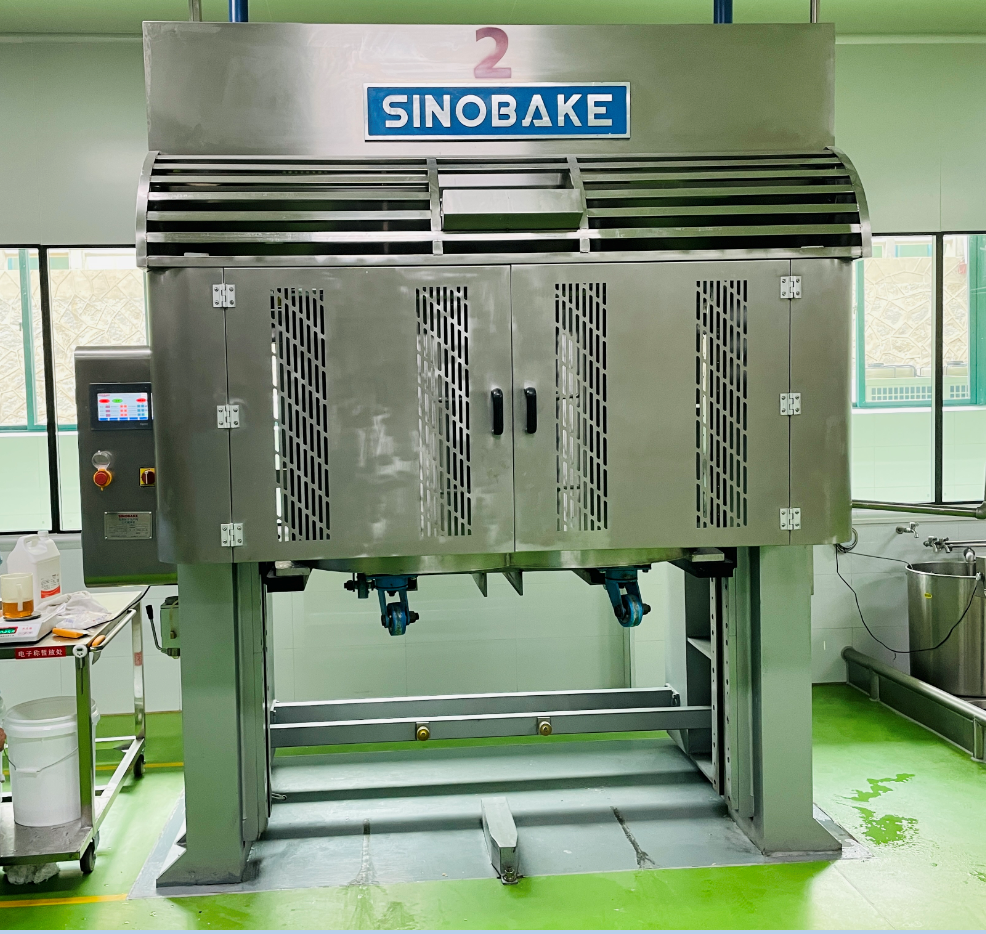 Vertical Dough Mixer
 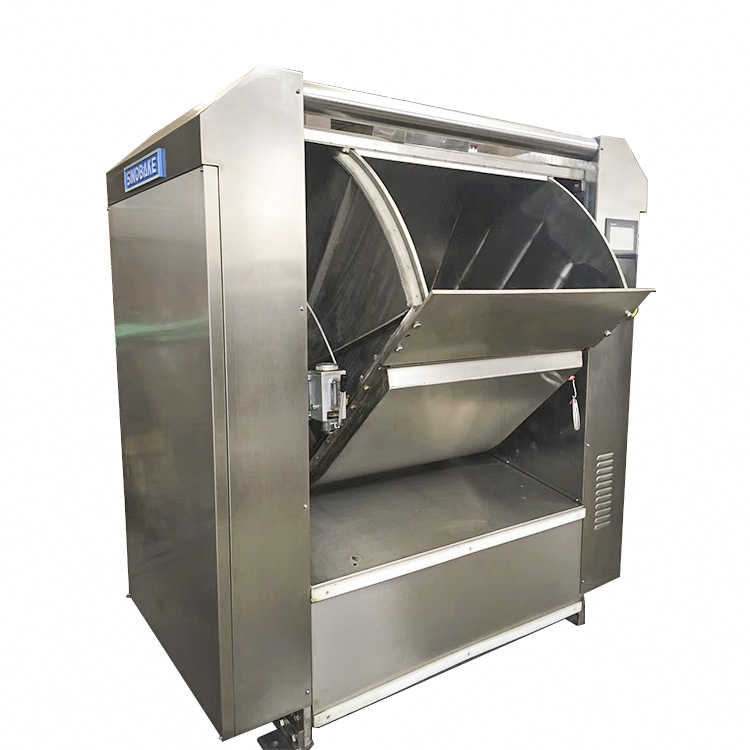 Horizontal Dough Mixer
 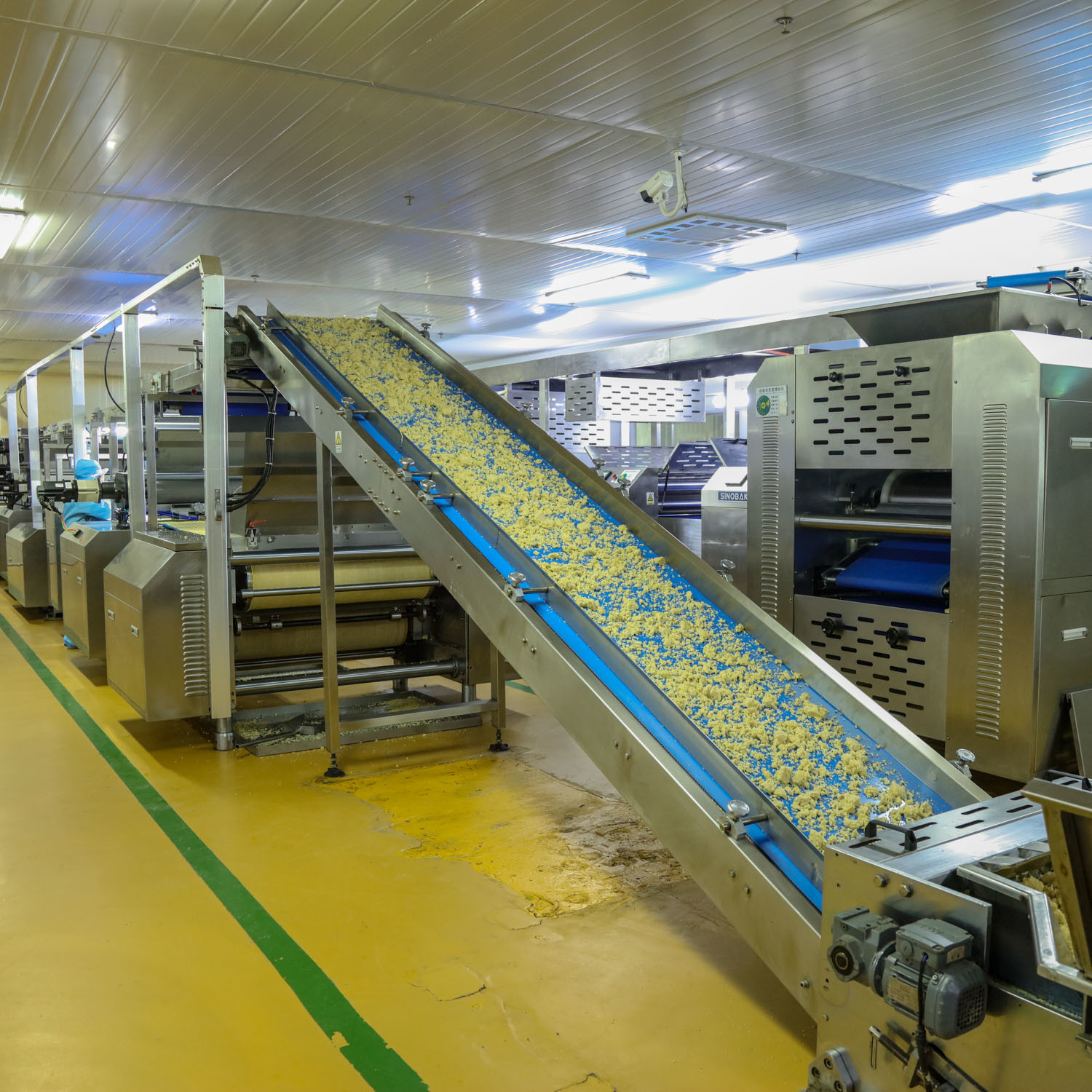 Auto Dough Feeding System
 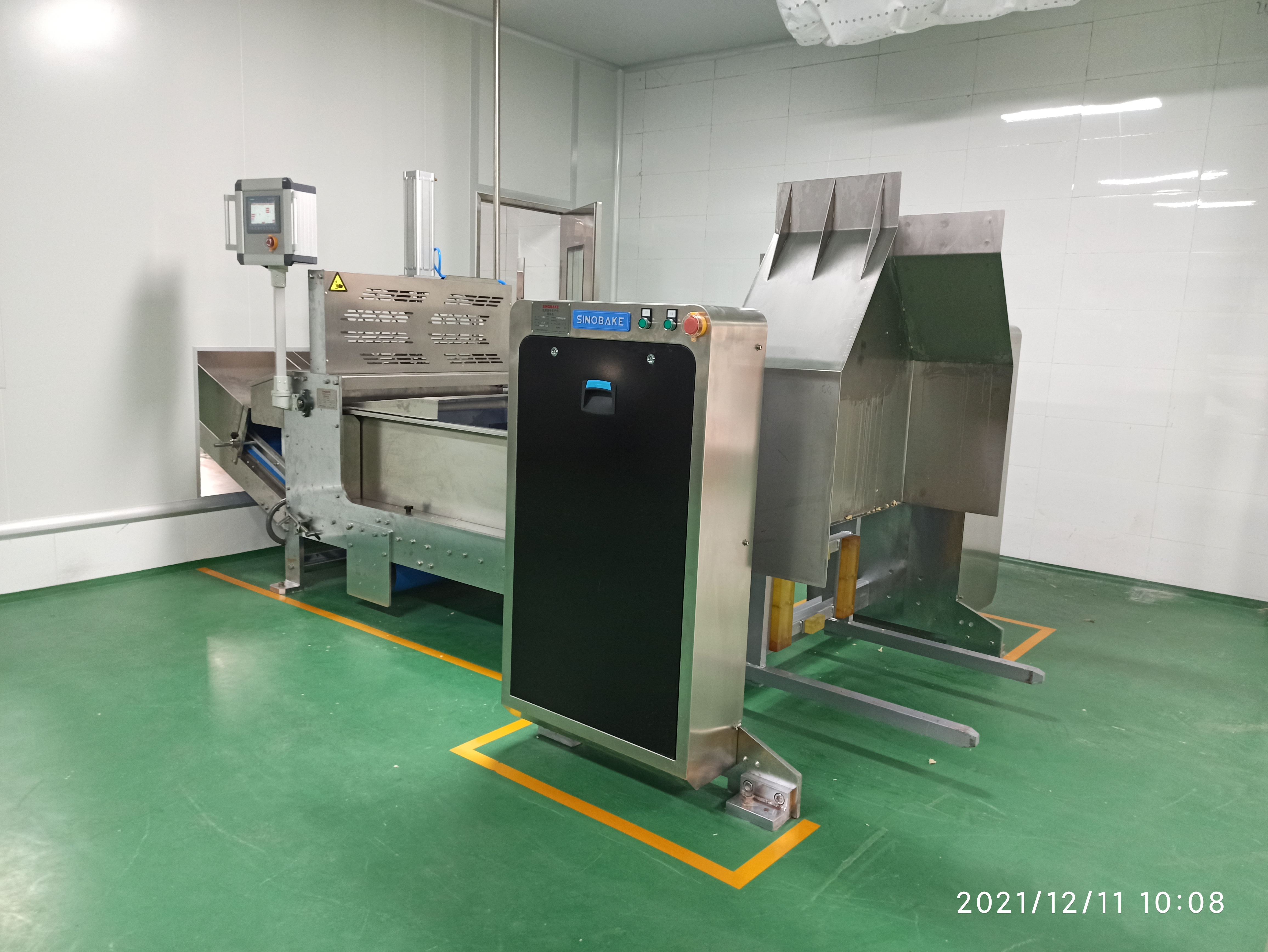 Tilting Machine
 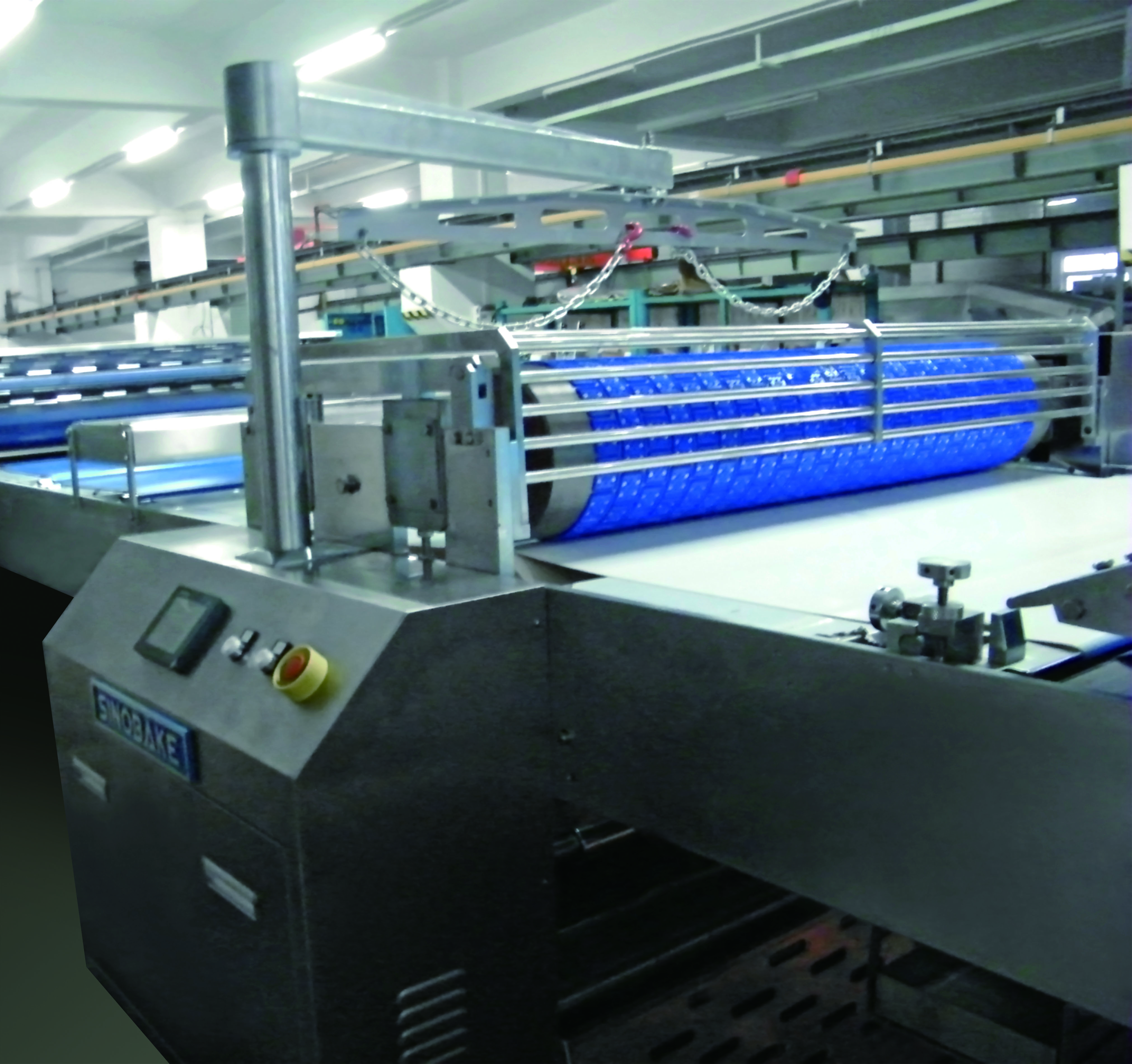 Hard Biscuit Forming Section
 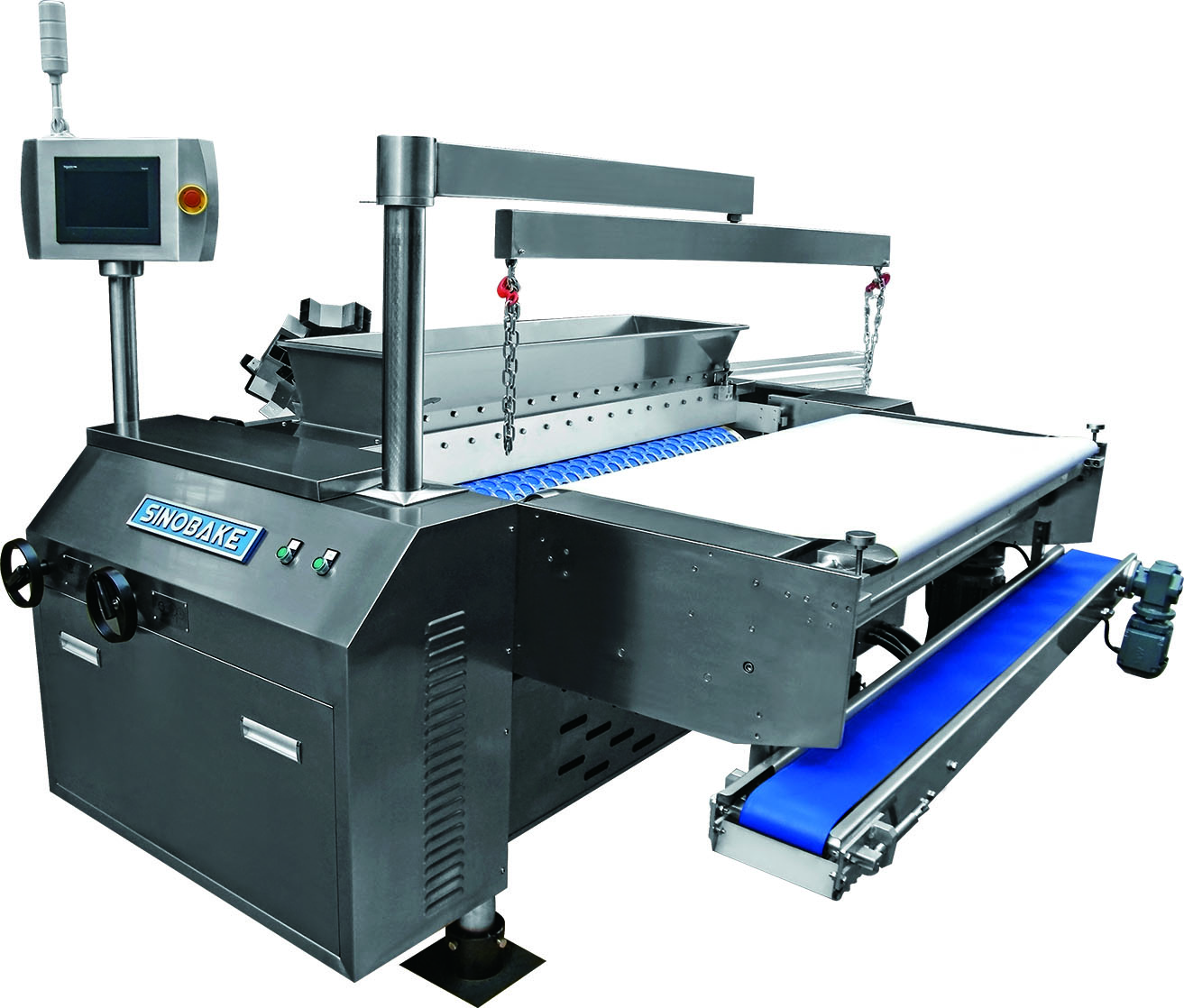 Soft Biscuit Forming Section
 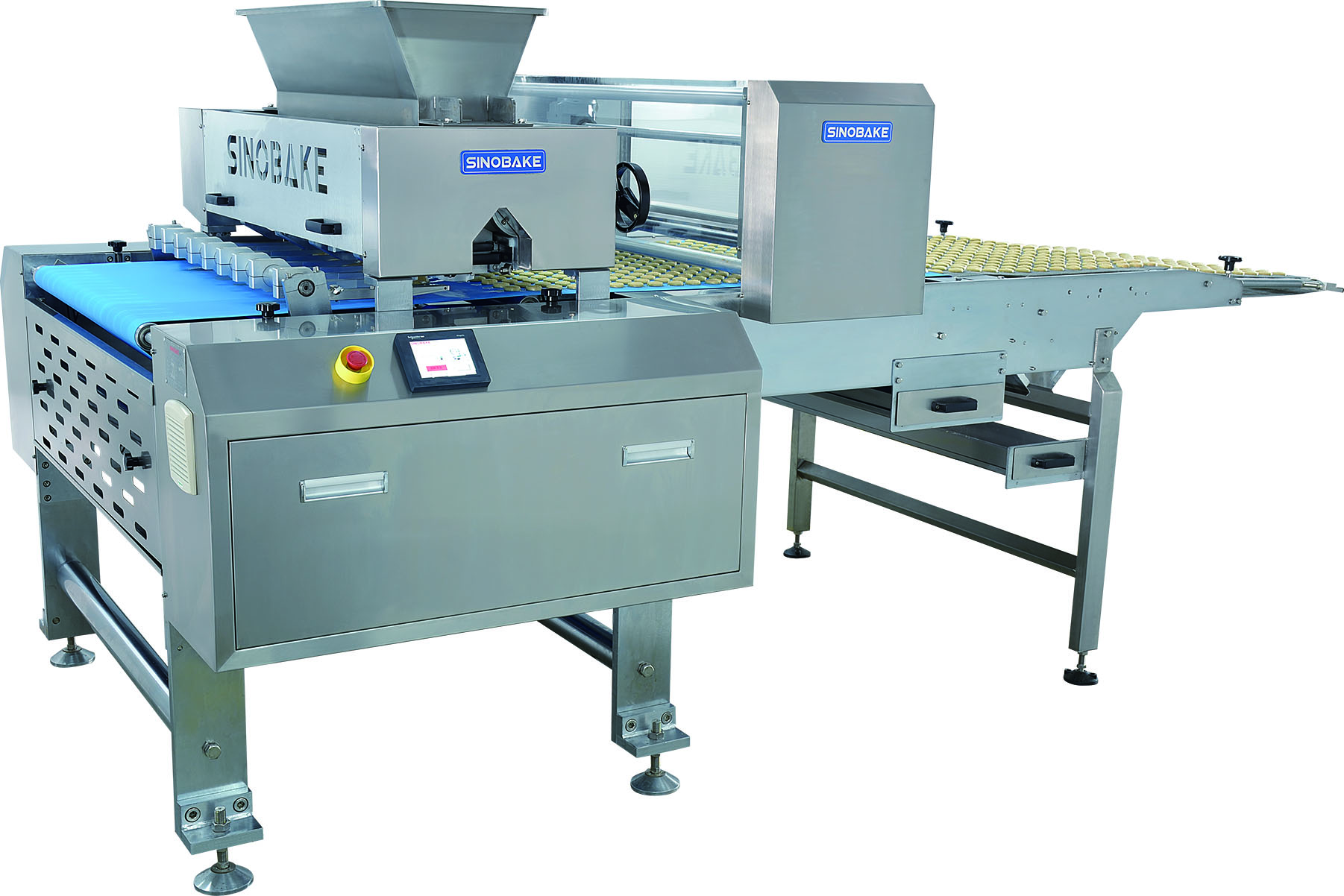 Cutting Cookie Forming Section
 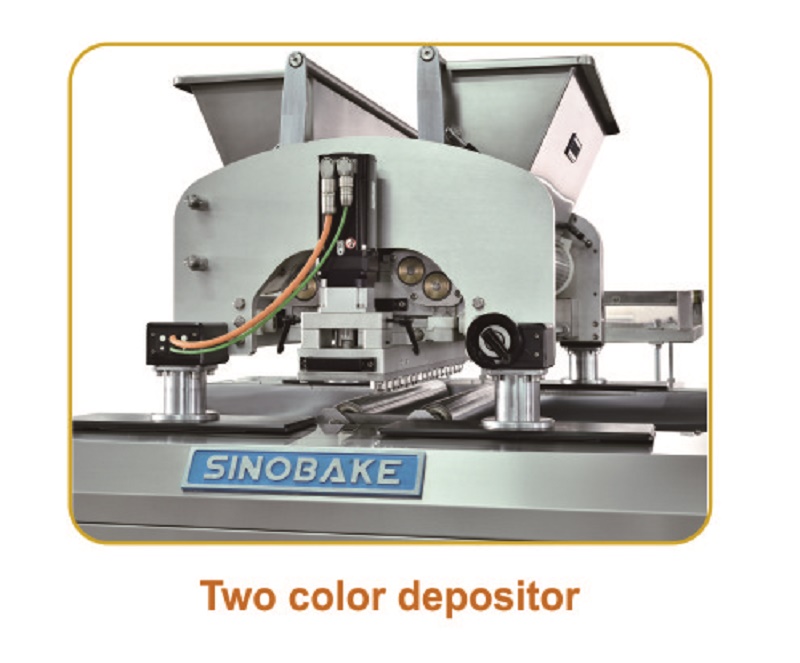 Depositor Forming Section
 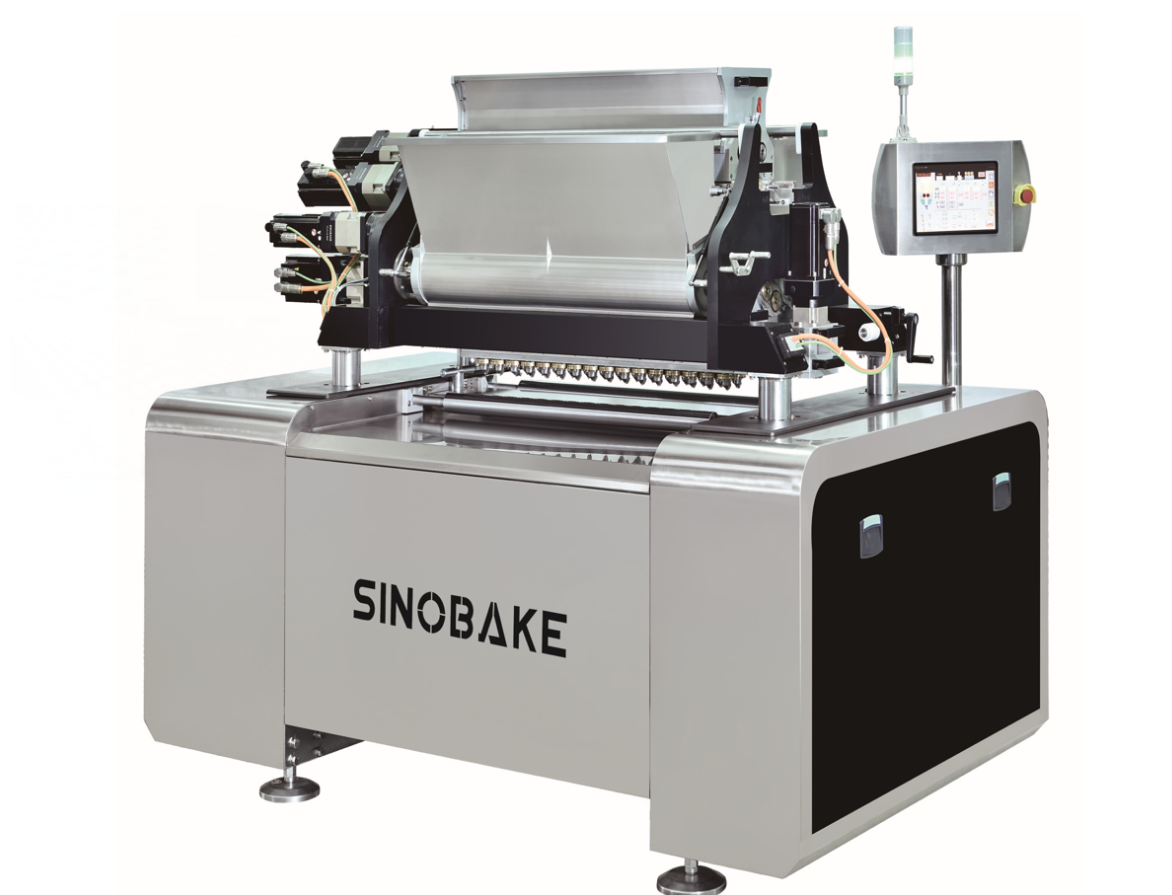 Farci/Center filled Cookie Forming Section
 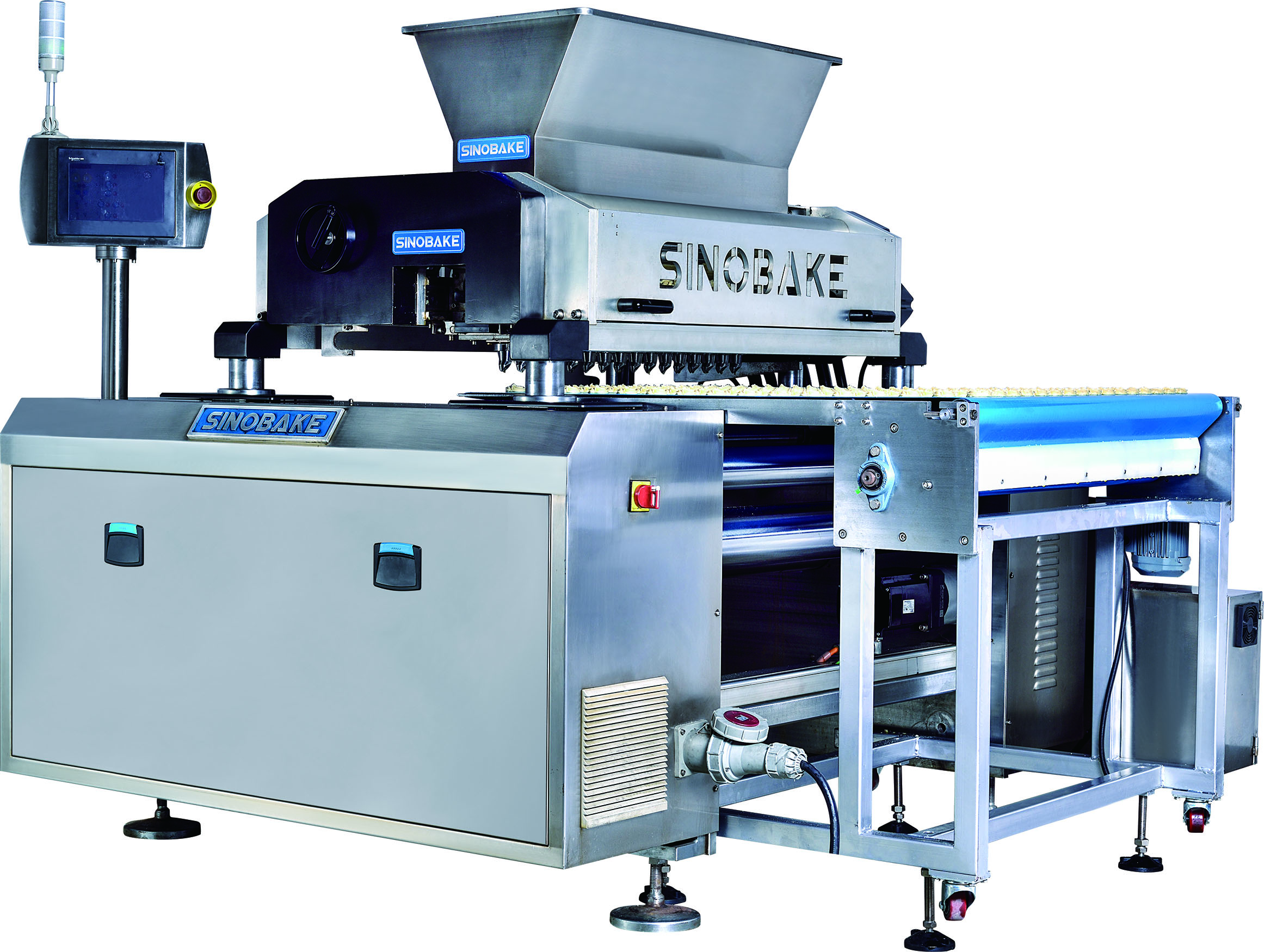 Multifunction Cookie Forming Section
 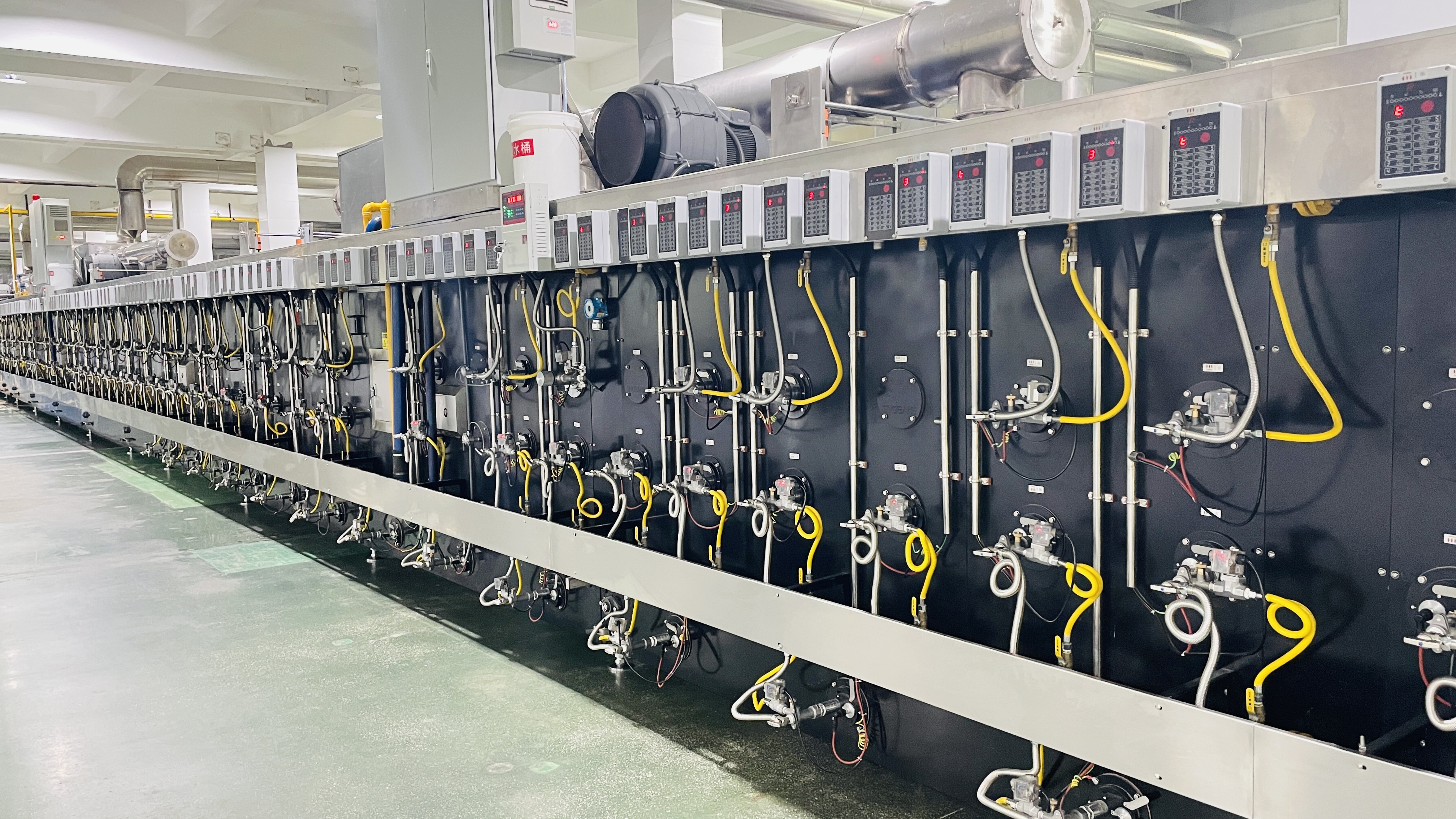 Directly Oven
 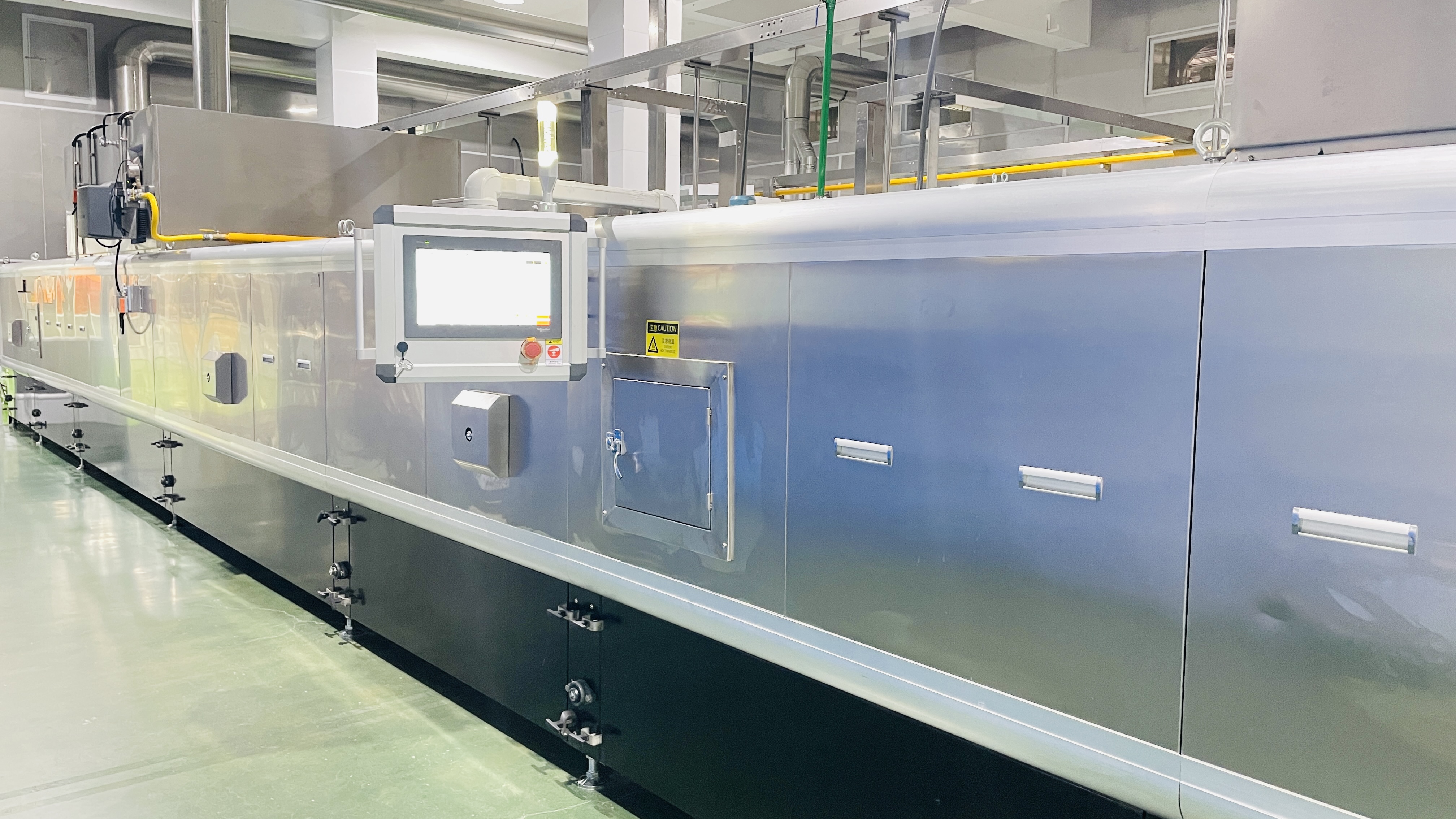 Indirectly Oven
 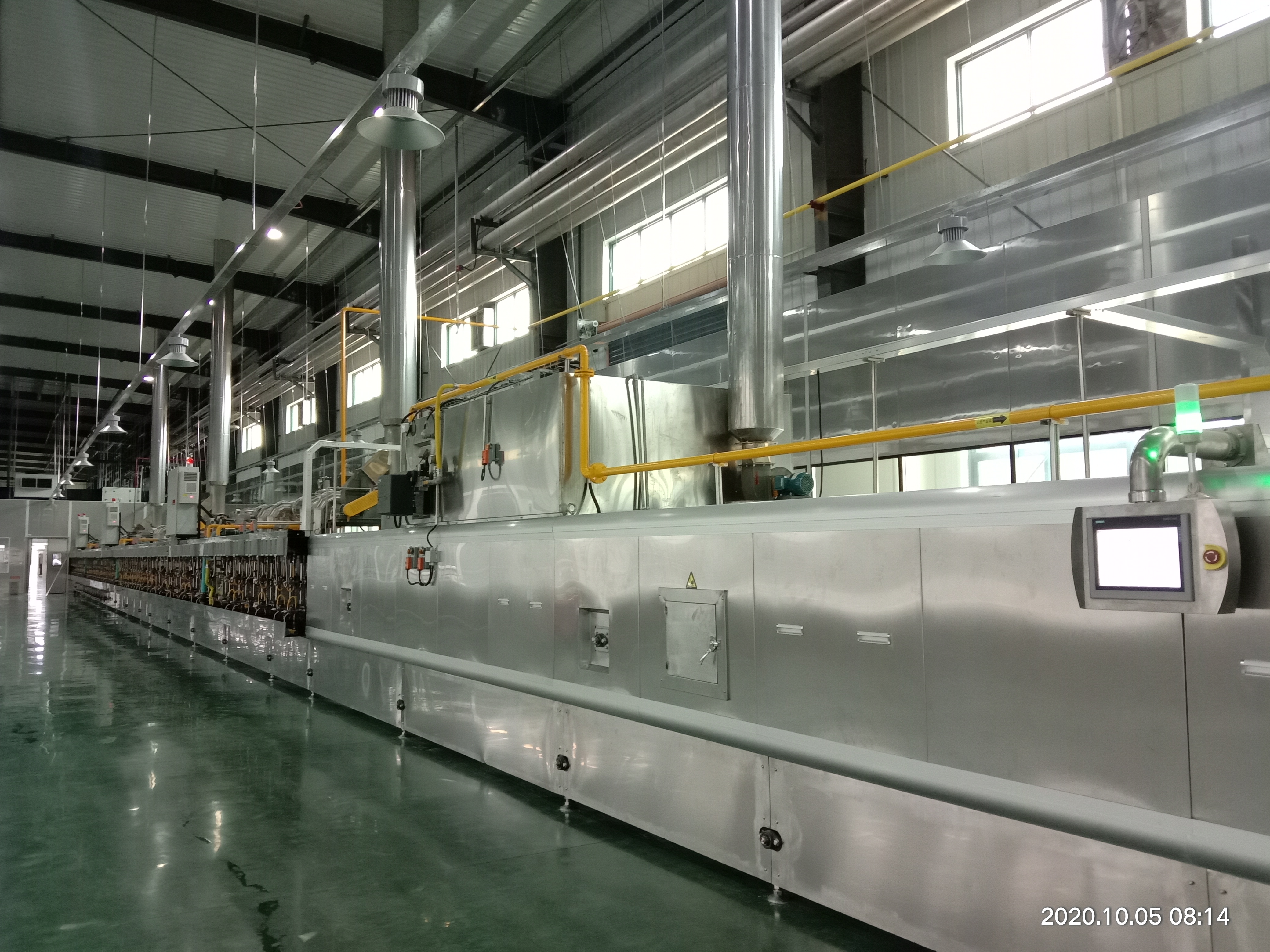 Hybrid Oven
 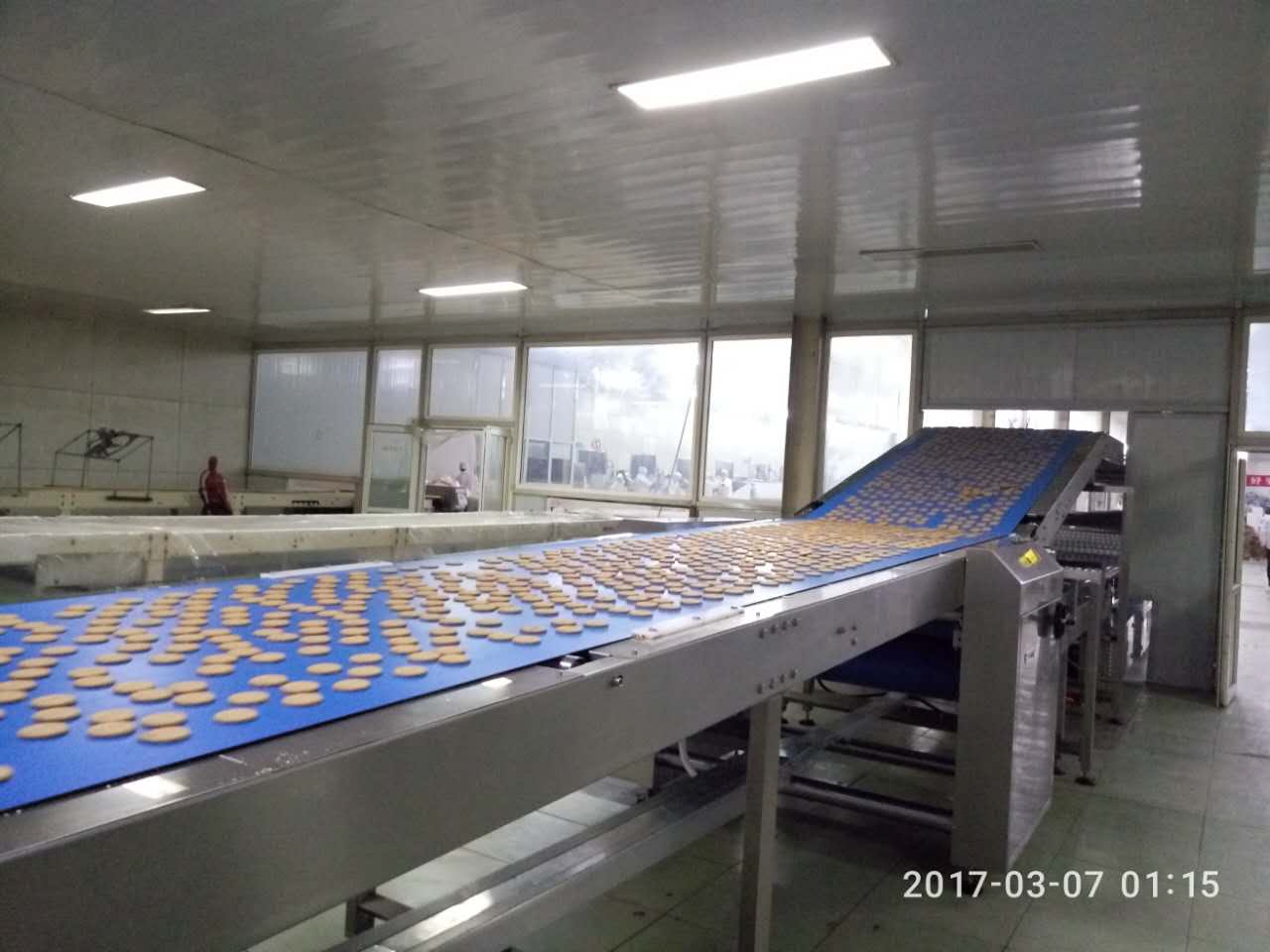 Biscuit Cooling section
 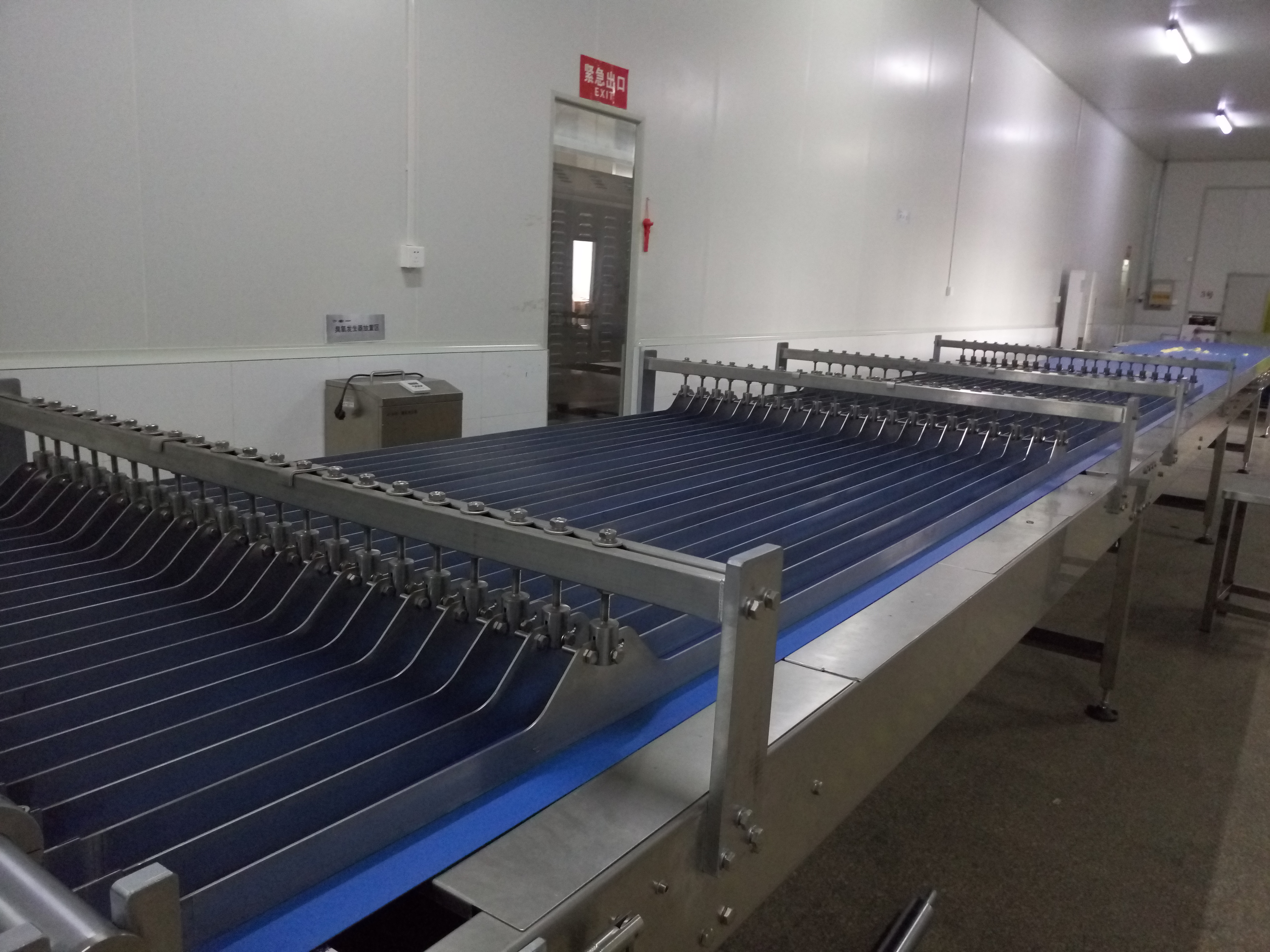 Biscuit Sorting section