English

Views: 0 Author: Site Editor Publish Time: 2026-09-16 Origin: Site


In large-scale industrial bakery production lines, flour serves as the core staple ingredient in biscuit manufacturing, and its physical and chemical indicators directly determine dough forming performance, finished product crispness and batch-to-batch quality stability. SINOBAKE, a specialist deeply engaged in the fully automatic biscuit production line sector, holds that industrial-grade biscuit flour selection should be based on three core indicators—protein, gluten and ash content—to precisely match production processes and product positioning.
Short biscuits and cookie products require low-gluten flour with a protein content controlled at 7%–9%. This prevents excessive gluten network formation that would lead to hard finished products, and is compatible with the continuous rotary cutting operation of large capacity bakery processing equipment.
For hard biscuits and soda crackers, medium-gluten flour with a protein content of 9%–11% is selected to ensure sufficient dough tensile strength, adapt to the mixing process of high-speed industrial dough mixing systems, and reduce the risk of cracking during forming.
When the protein deviation of each batch of flour exceeds ±0.5%, it will cause uneven dough softness and hardness, leading to deviations, shrinkage and other issues on fully automatic biscuit production lines. Industrial procurement must strictly limit the protein tolerance range.

The wet gluten content of biscuit-specific flour is usually controlled at 22%–28%, with a gluten index below 30, presenting a weak-gluten property. This ensures the finished product is loose and crisp instead of hard and chewy.
Sound gluten extensibility adapts to multi-pass roller pressing processes, reduces holes in dough sheets and uneven thickness, and improves the continuous production efficiency of industrial bakery production lines.
Excessively strong gluten tends to cause biscuit shrinkage, deformation and hard texture; excessively weak gluten leads to easy breakage during forming and collapse after baking, which is a key quality control item for mass production lines.

The ash content of biscuit-specific flour is usually ≤0.55%. Lower ash content indicates higher flour processing accuracy and more uniform color of finished products, which is suitable for high-end thin crisp biscuit production.
For industrial procurement, flour moisture should be controlled at 13%–14%, and the fineness rate through a 100-mesh sieve should be ≥98%, to avoid caking that affects the mixing uniformity of industrial dough mixing systems.
Stable flour indicators can reduce process commissioning times for fully automatic biscuit production lines, lower production loss, and improve the comprehensive production efficiency of large capacity bakery processing equipment.
As a professional solution provider of industrial bakery production lines, SINOBAKE recommends that factories establish a flour incoming inspection mechanism and optimize formula processes in line with equipment characteristics, so as to guarantee the taste and quality stability of finished biscuits from the source.
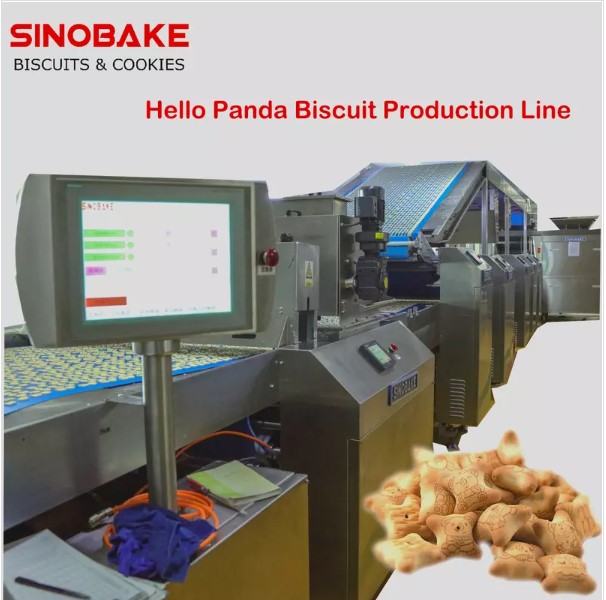
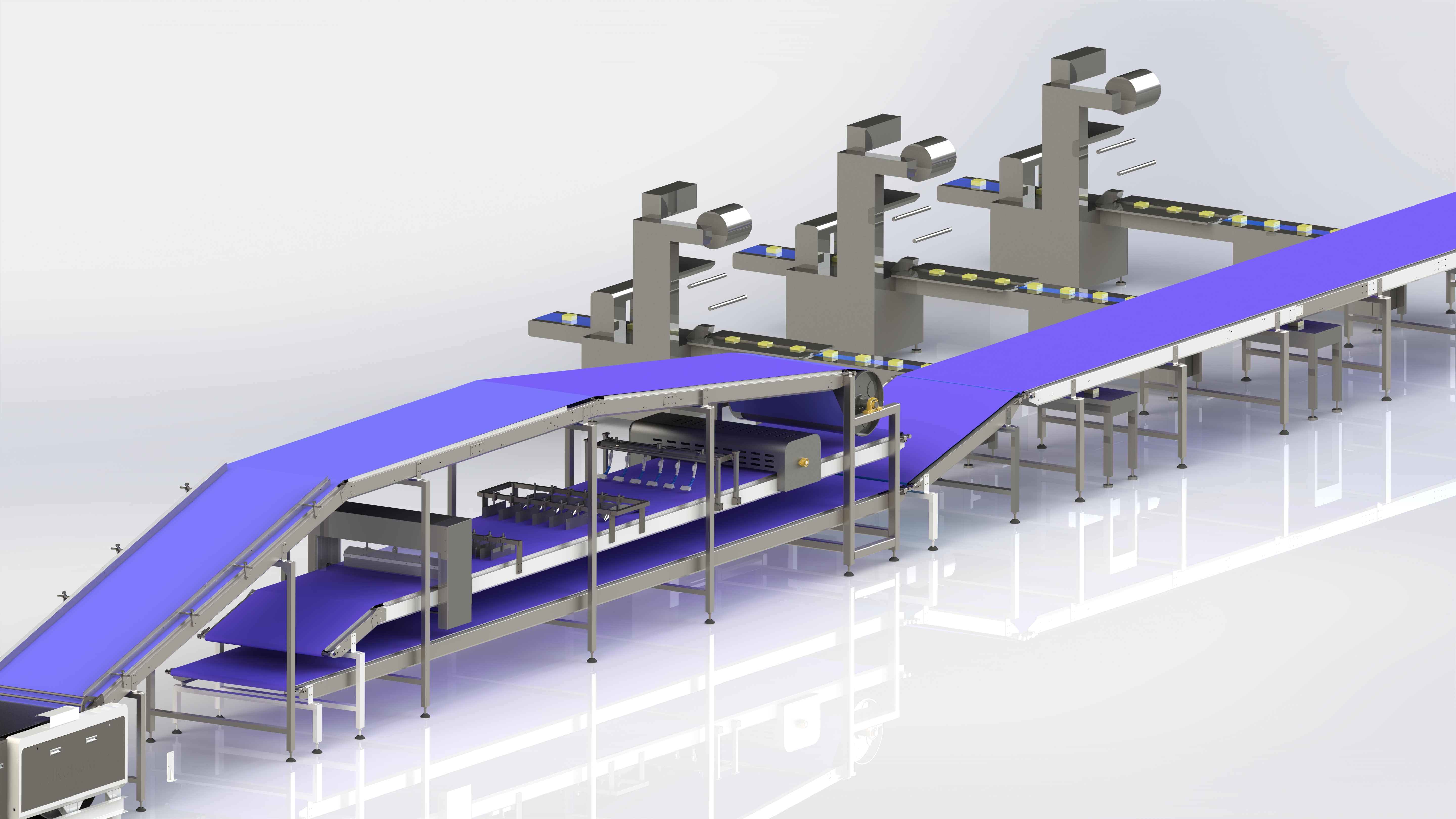
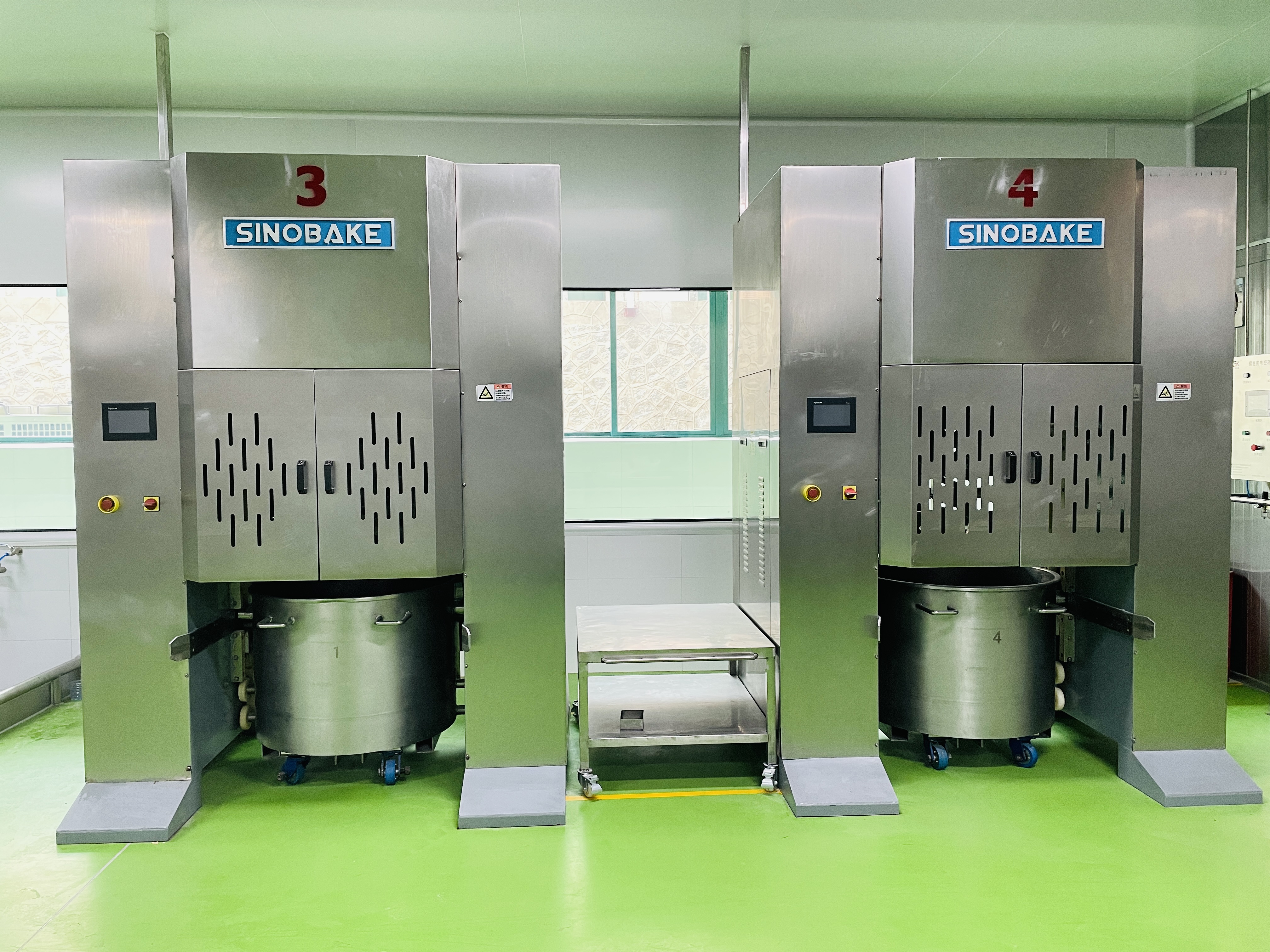 Cookie Dough, Cream Mixer
 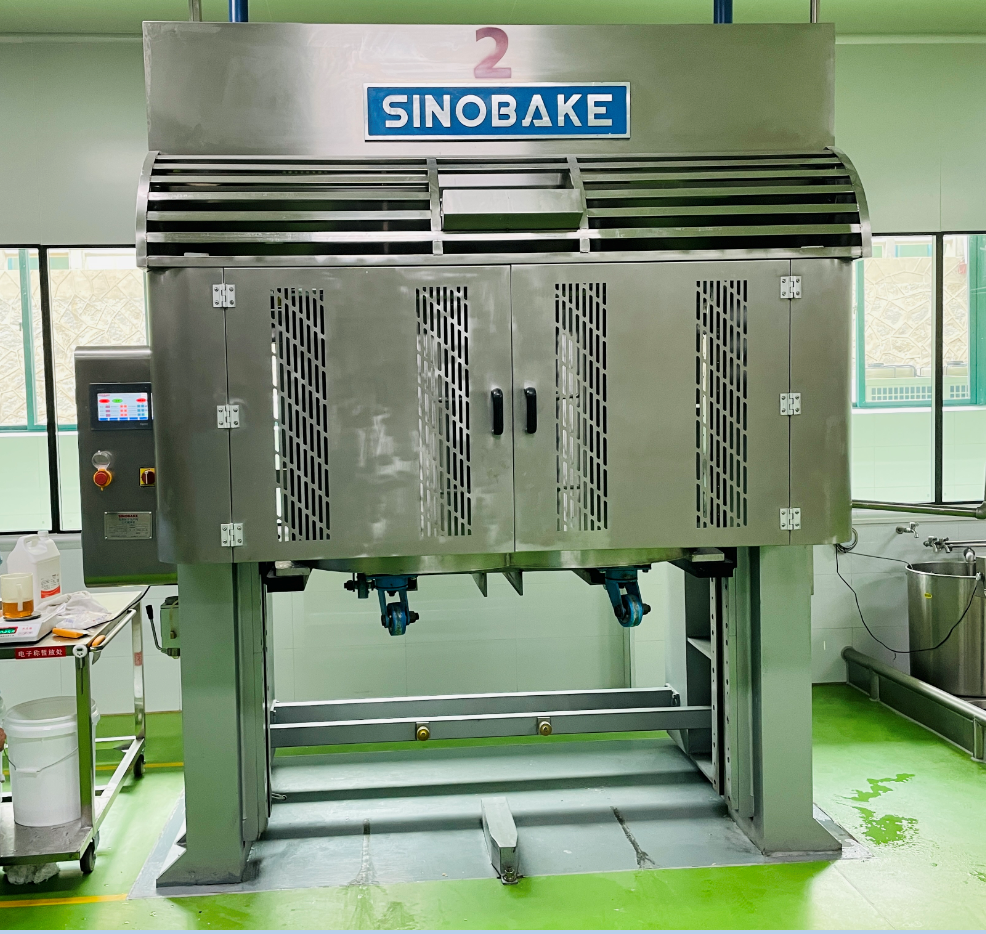 Vertical Dough Mixer
 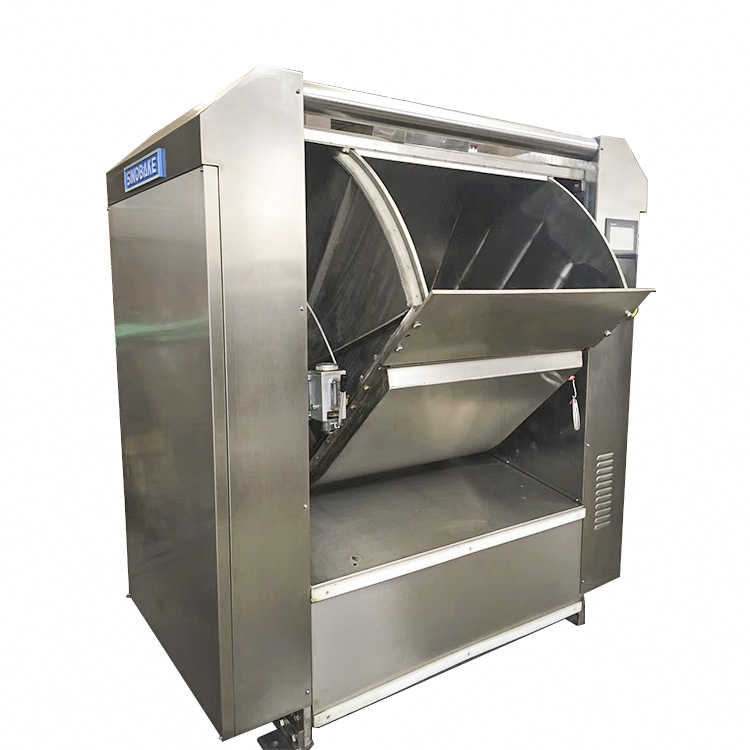 Horizontal Dough Mixer
 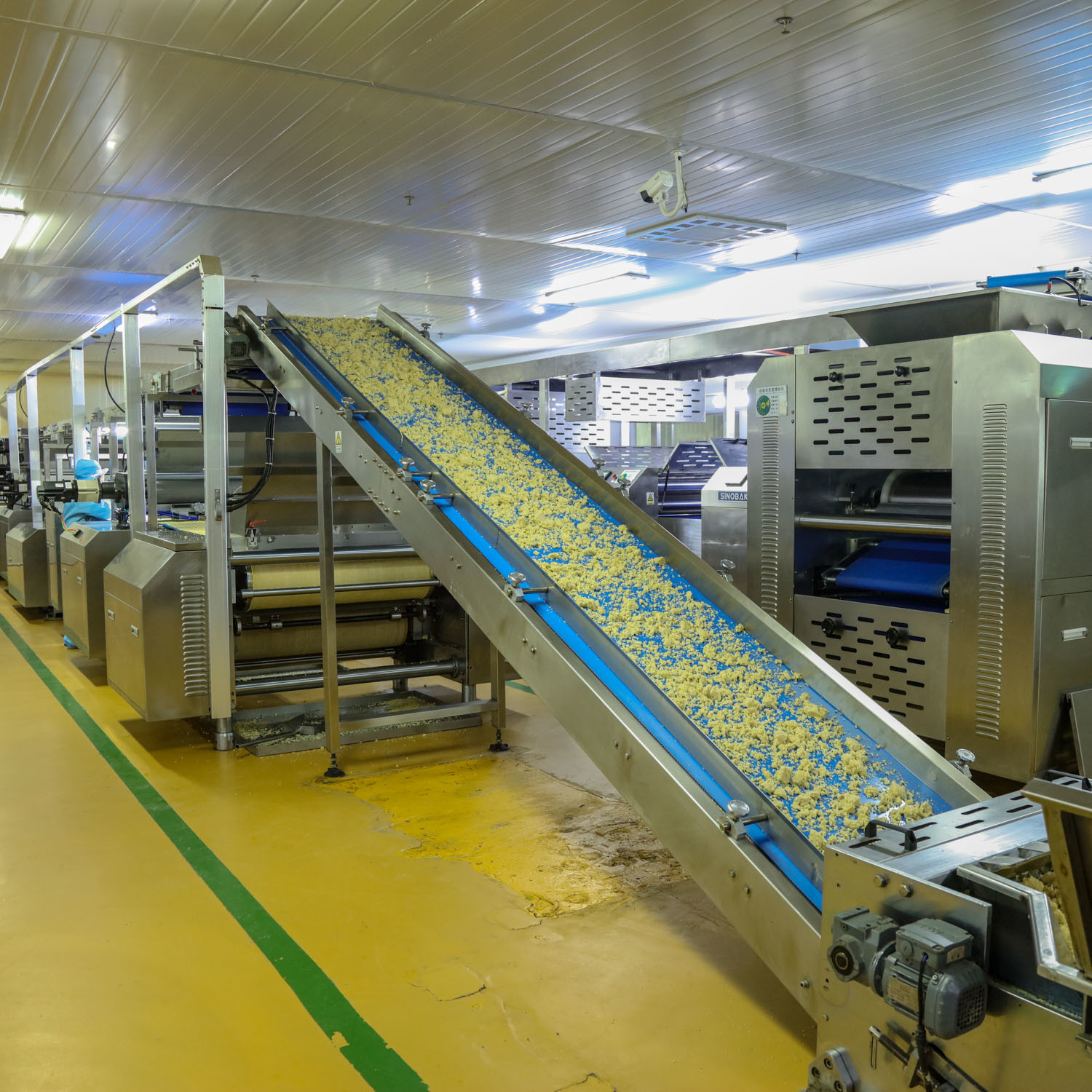 Auto Dough Feeding System
 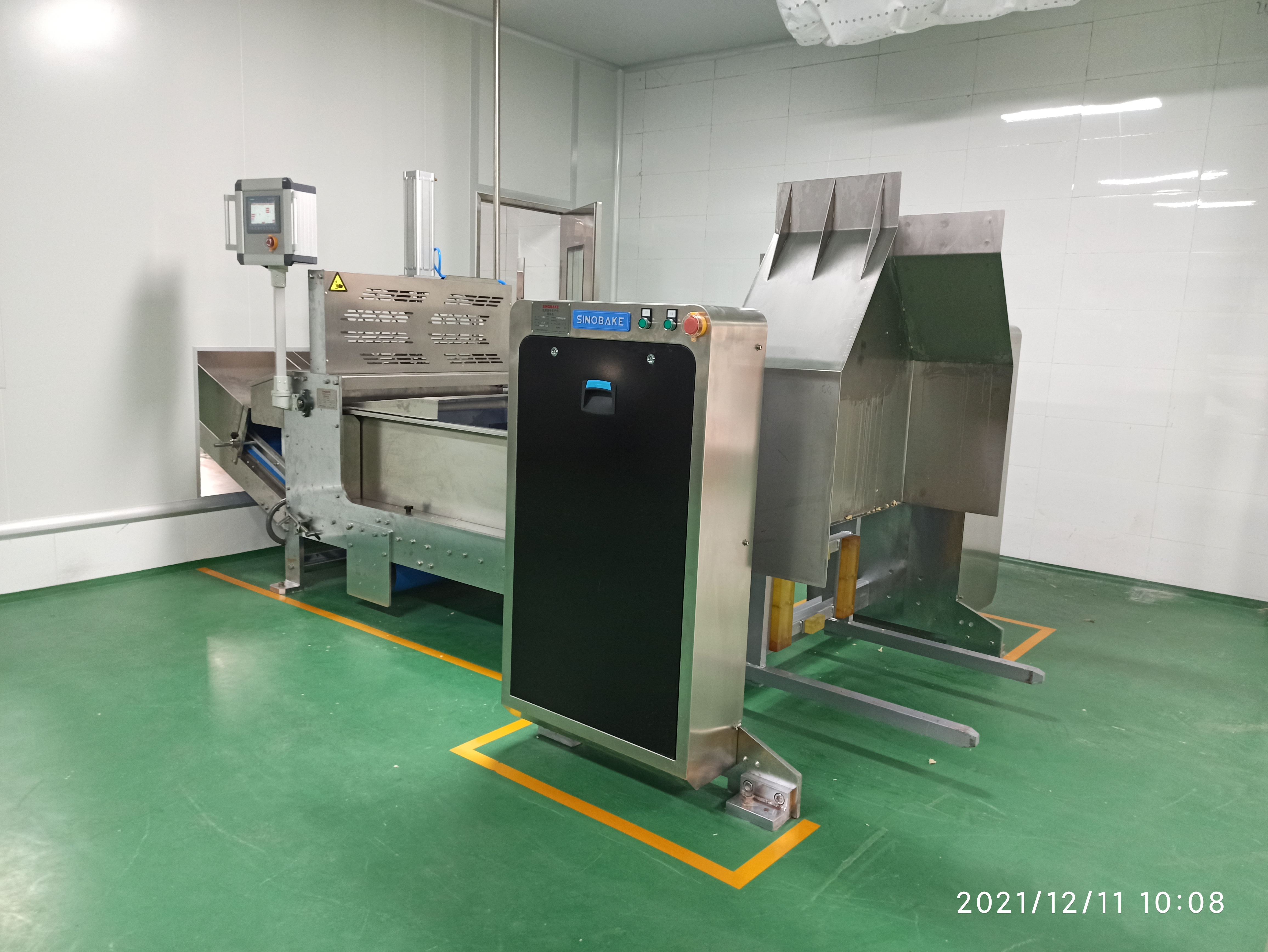 Tilting Machine
 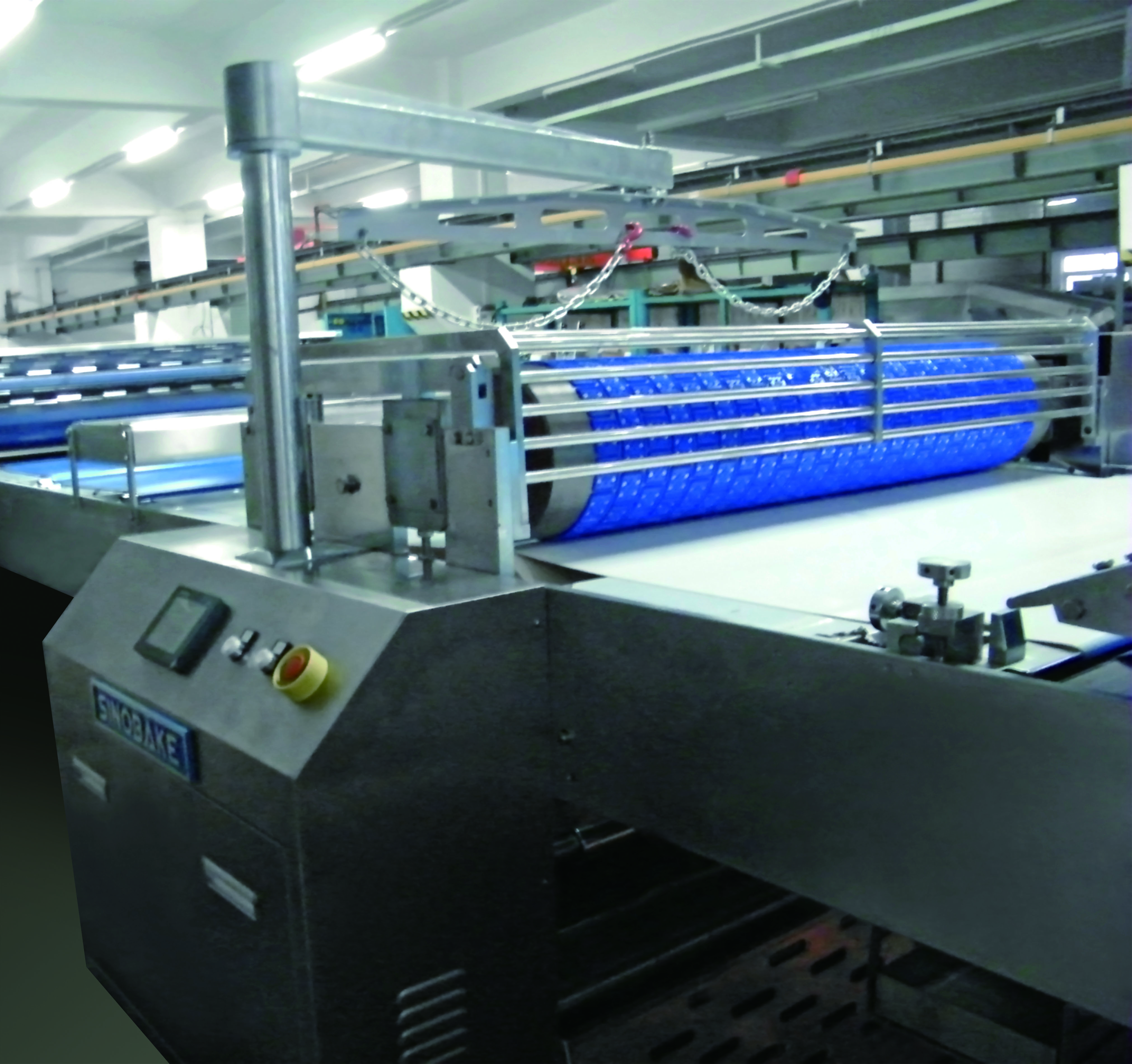 Hard Biscuit Forming Section
 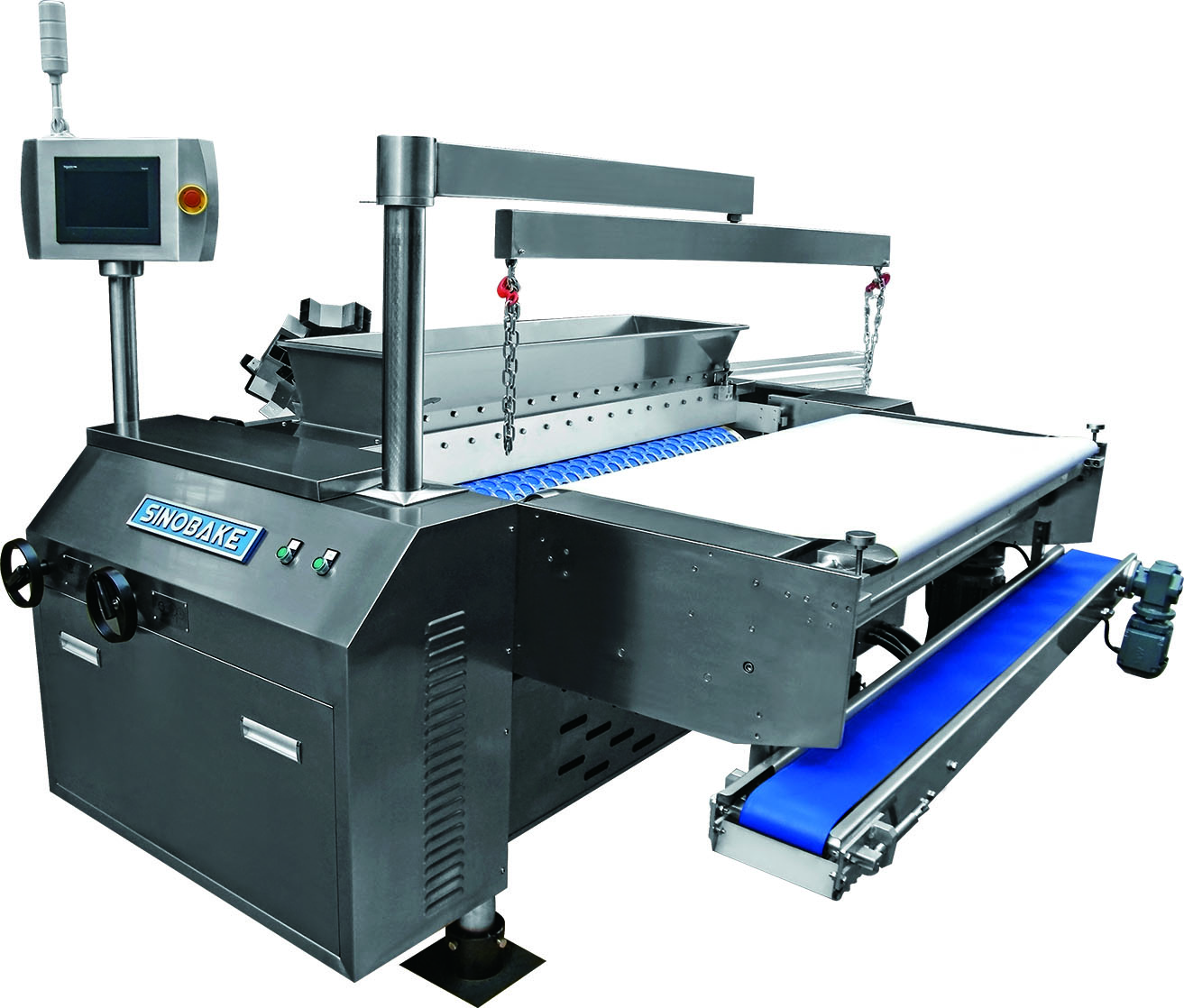 Soft Biscuit Forming Section
 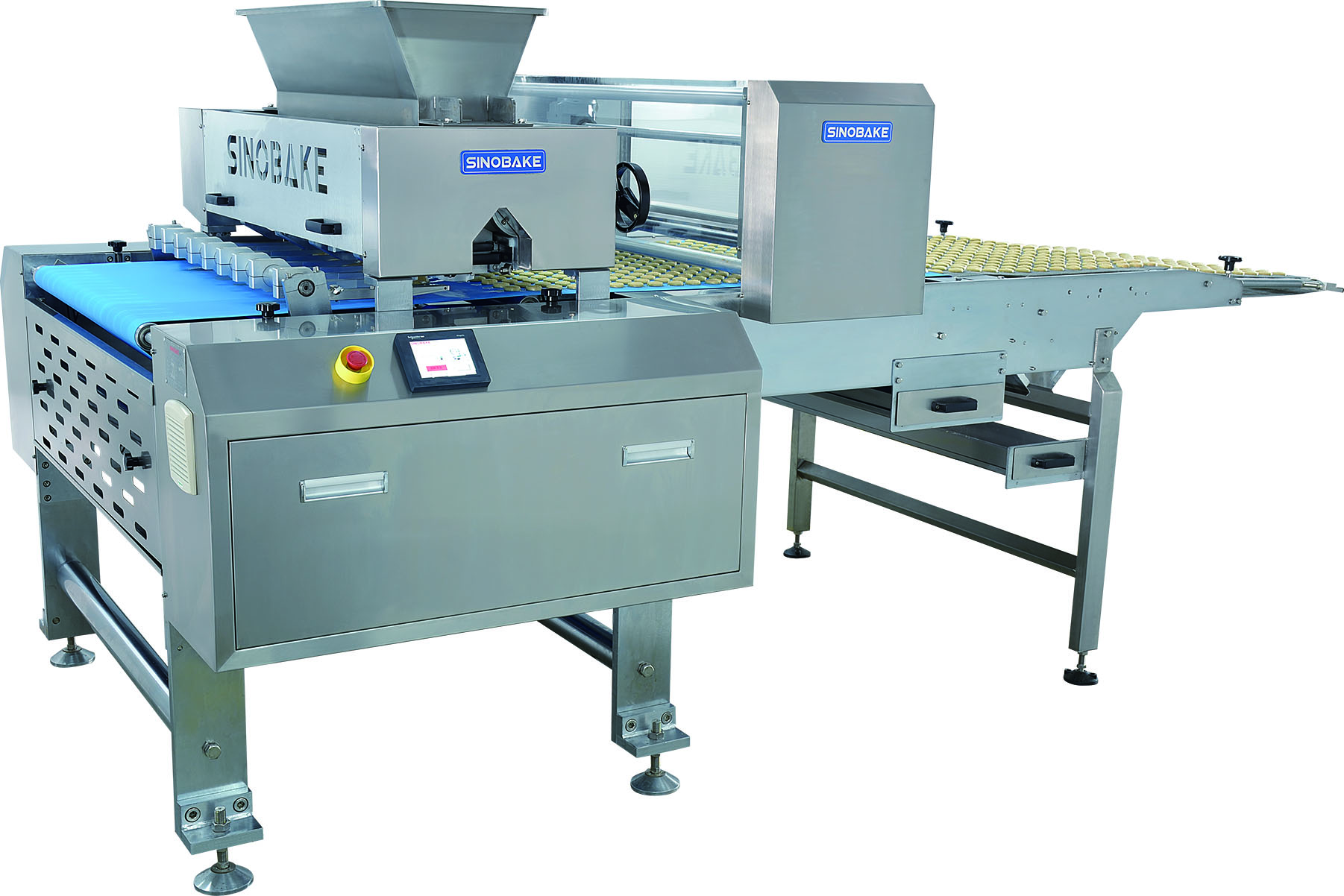 Cutting Cookie Forming Section
 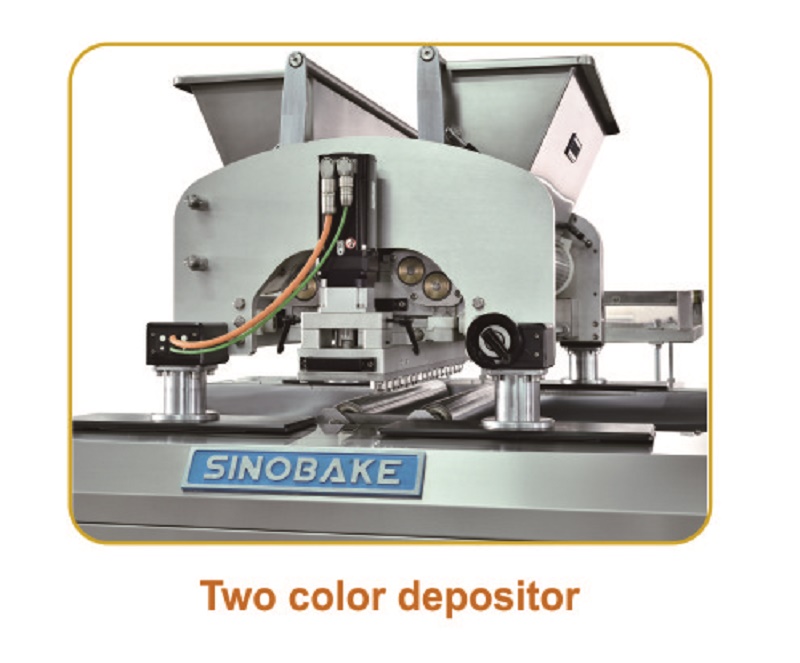 Depositor Forming Section
 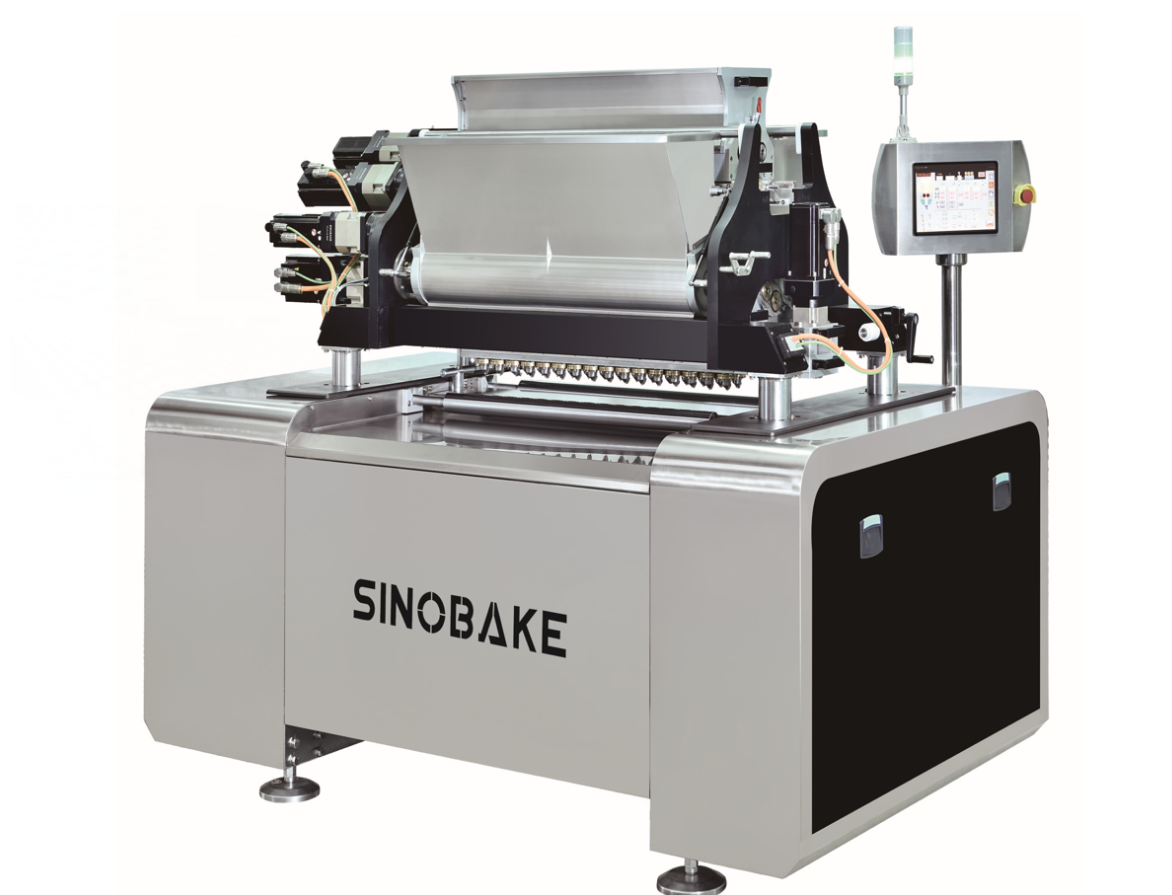 Farci/Center filled Cookie Forming Section
 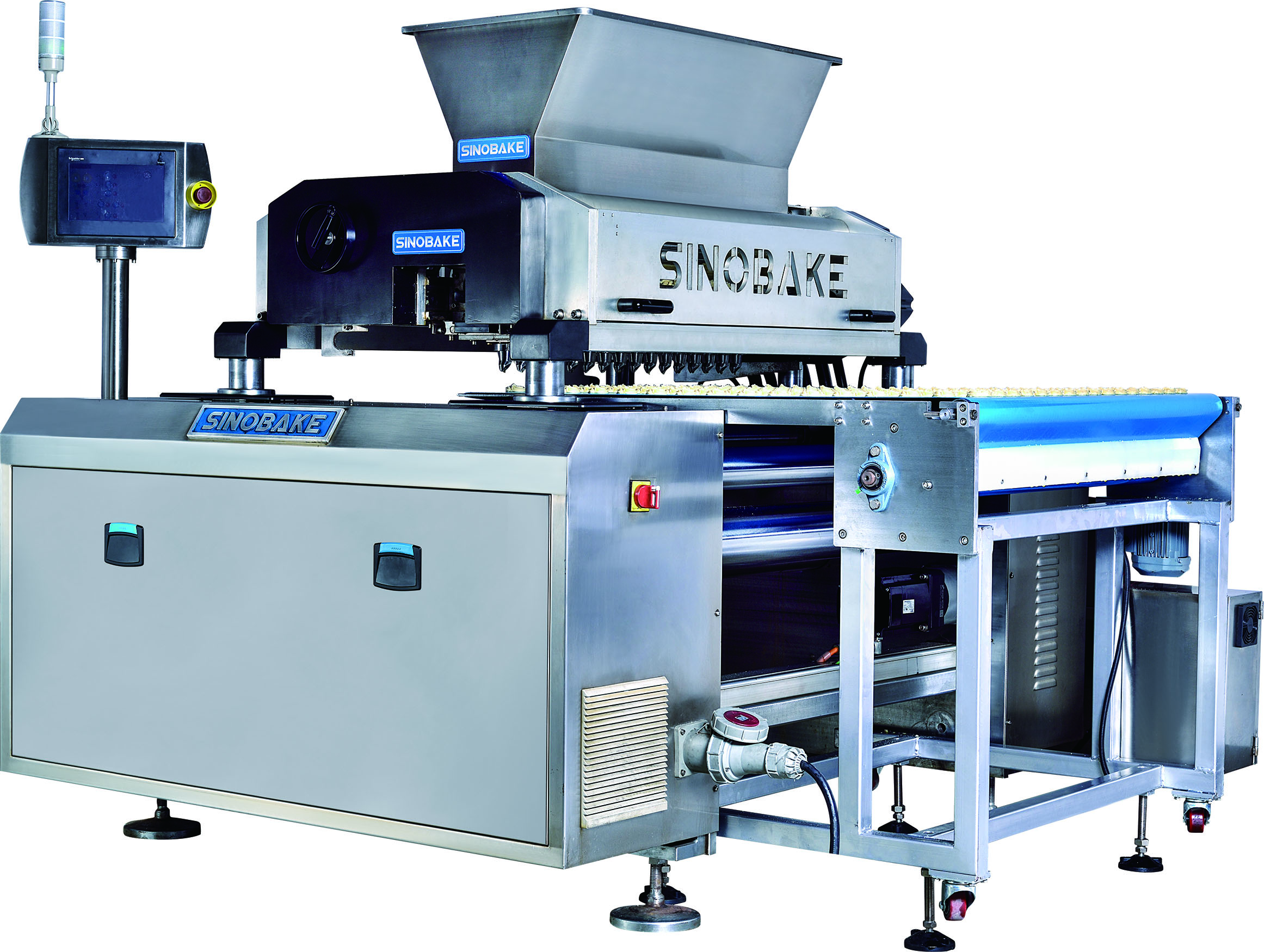 Multifunction Cookie Forming Section
 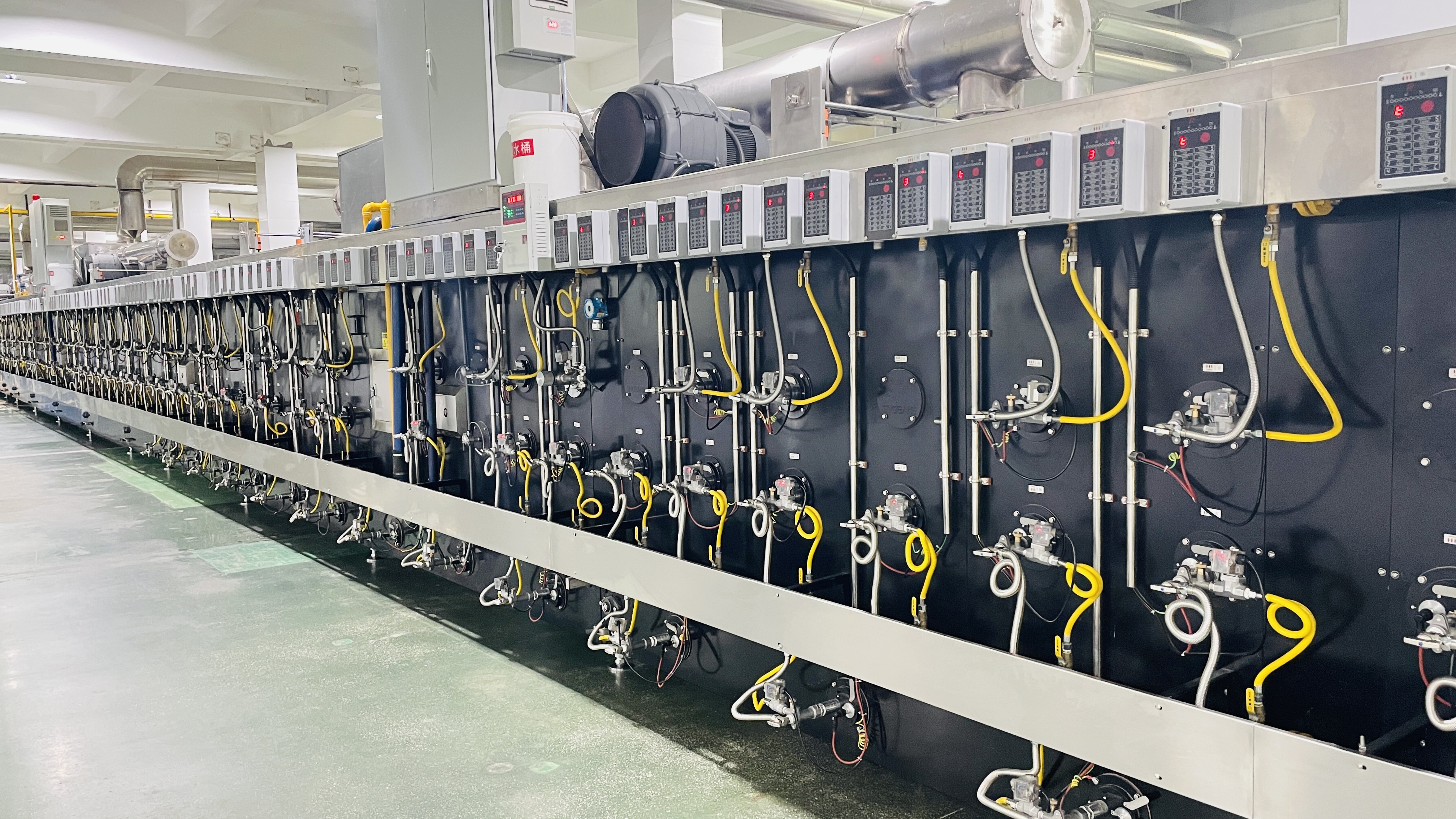 Directly Oven
 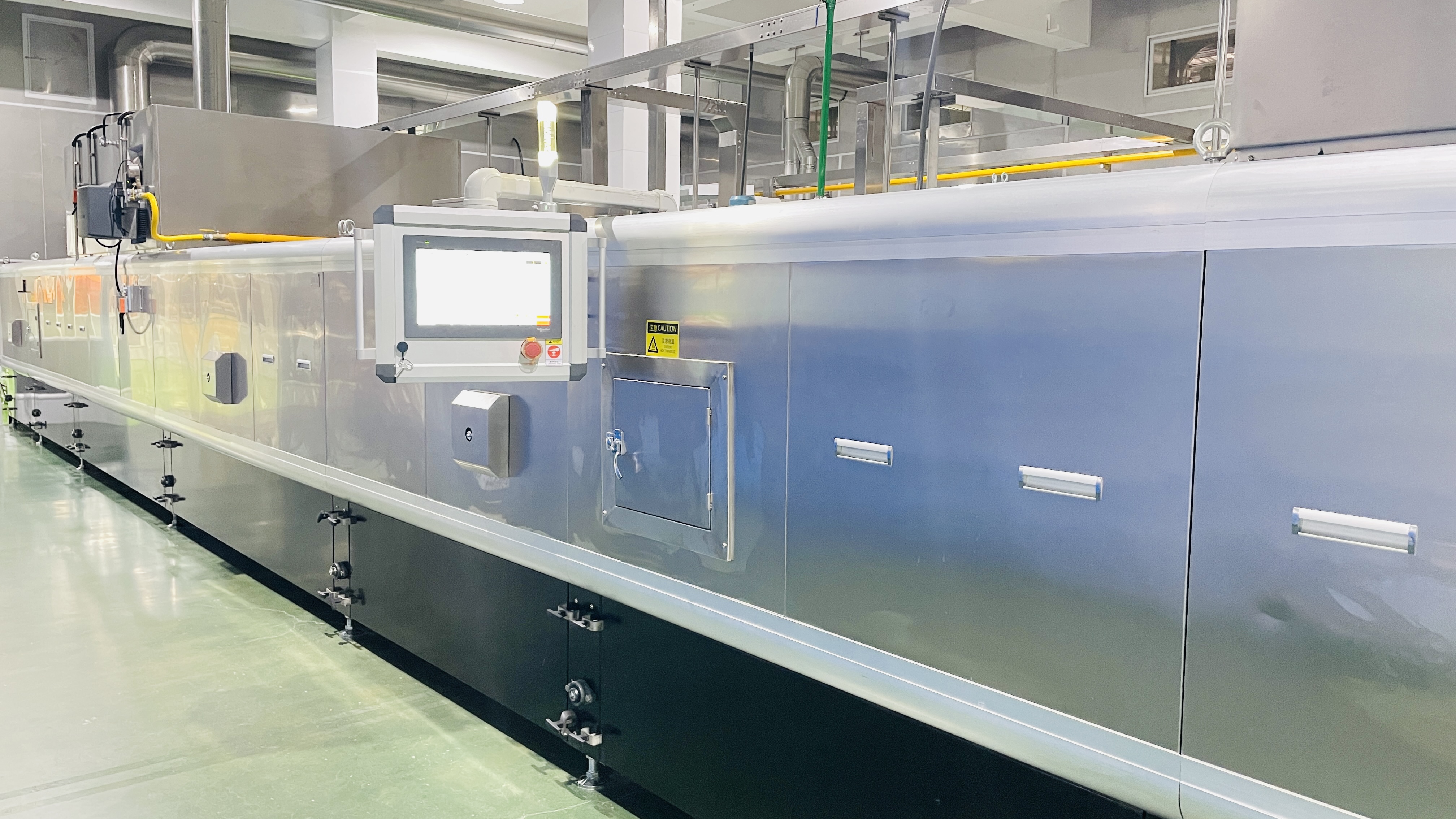 Indirectly Oven
 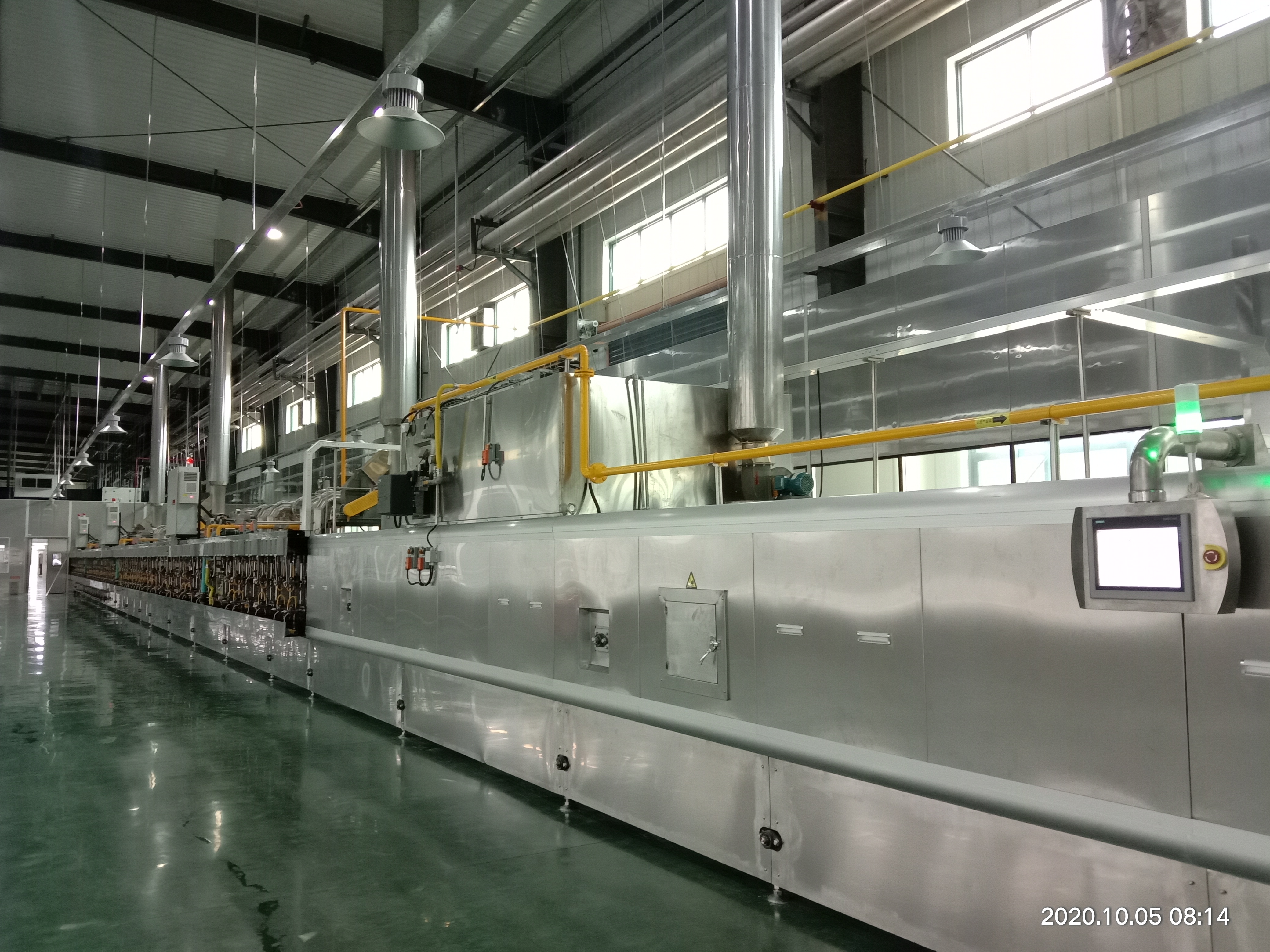 Hybrid Oven
 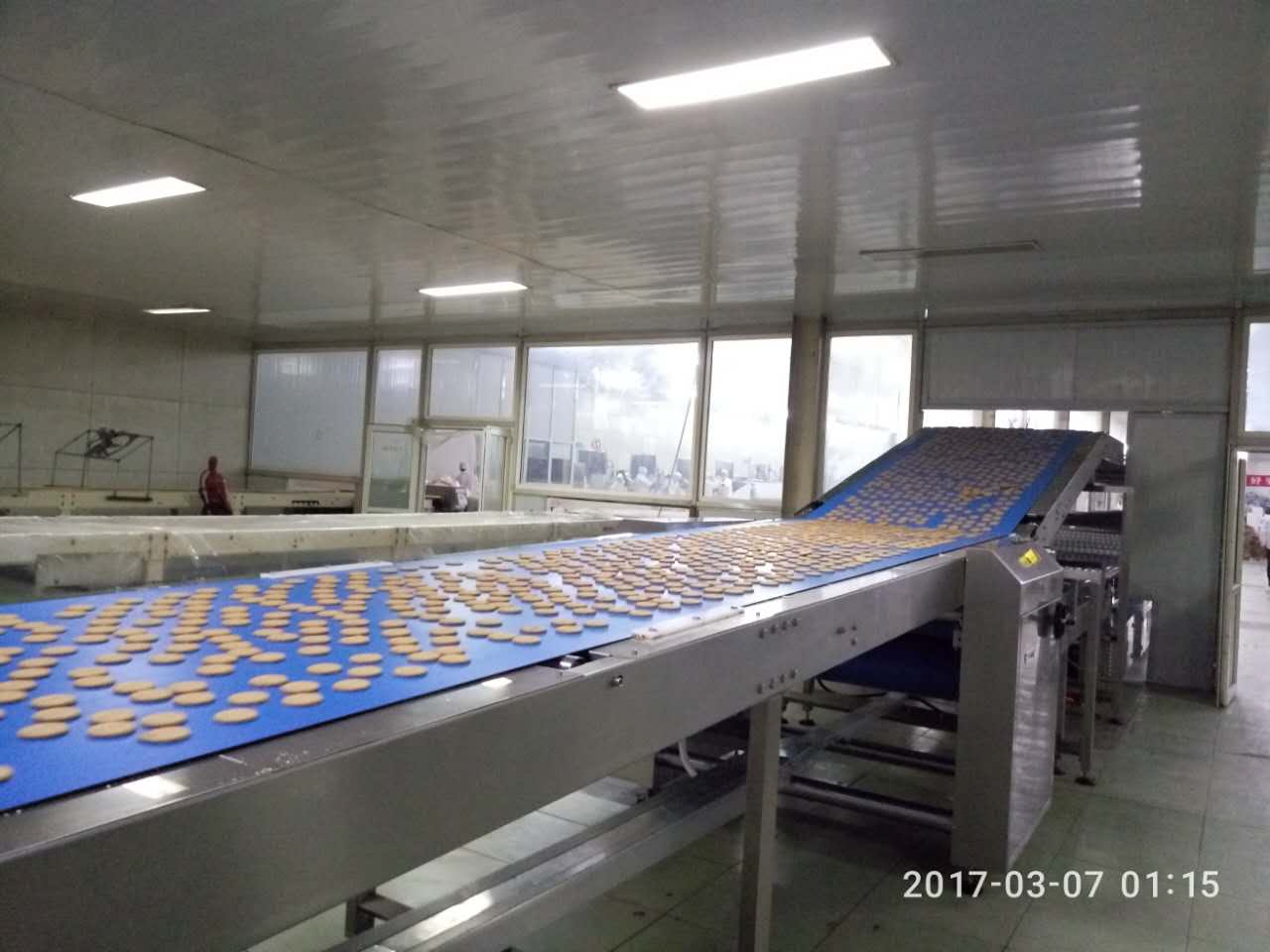 Biscuit Cooling section
 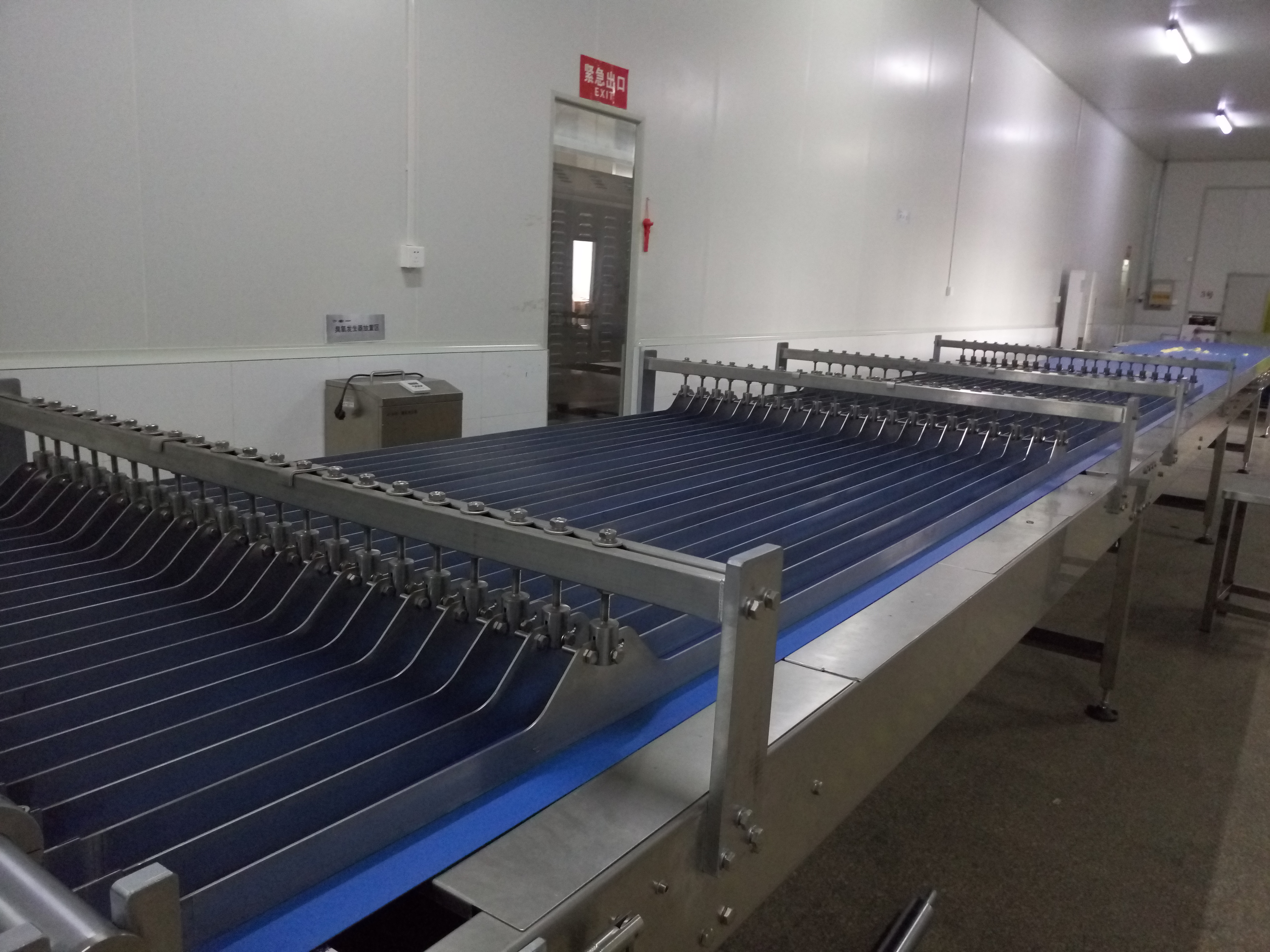 Biscuit Sorting section