English

Views: 0 Author: SINOBAKE Publish Time: 2026-09-09 Origin: Site


Article Outline
1. Capacity calculation methods: distinguish theoretical vs actual output and reserve reasonable expansion margin
2. Oven length sizing: define oven specifications according to product categories for crisp and filled cookie goods
3. Complete line configuration: optimize the hard biscuit forming section, assess farci cookie machine options and evaluate supplier support capabilities

Capacity Calculation: Use a Capacity Calculator to Confirm Basic Line Specifications
Differentiate Theoretical Capacity and Practical Production Capacity
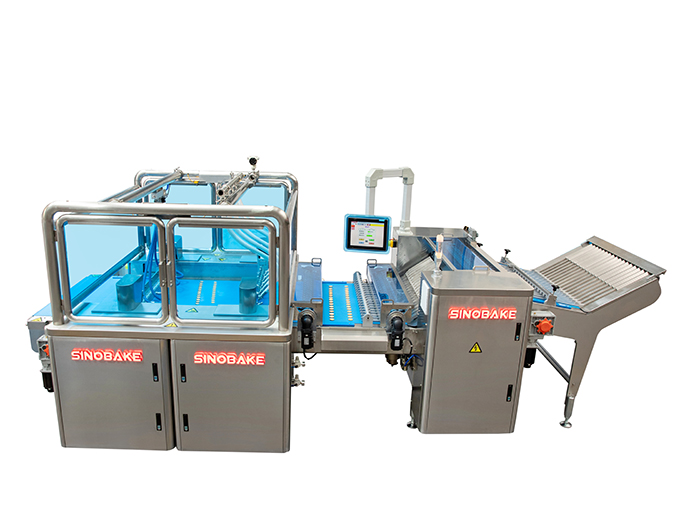
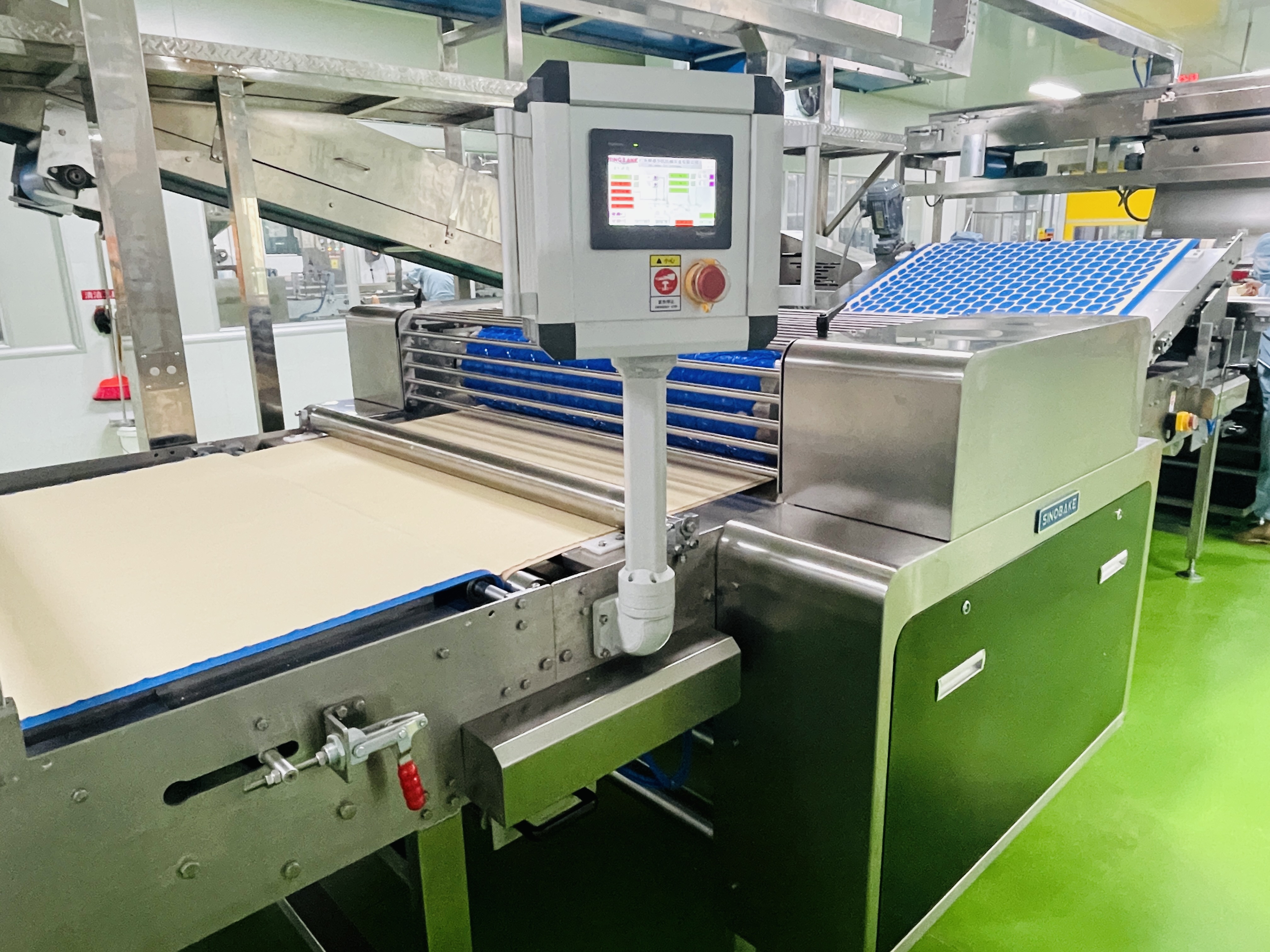
The theoretical capacity shown on equipment brochures represents output under ideal conditions. In real‑world operation, effective output drops due to mould changes, routine maintenance and raw‑material fluctuations. Many new factories purchase units purely based on theoretical figures, forcing equipment such as the hard biscuit forming section to run at full load continuously and raising failure rates sharply.
Key points for capacity calculation are listed below:
• Calculate required hourly output based on your actual daily production hours
• Reserve 10‑15 % extra capacity margin to accommodate short‑term order growth for your crisp biscuit production line
• Adjust calculated results according to your main biscuit product types, whether you run hard biscuits, crisp varieties or deploy a farci cookie machine, rather than relying solely on maximum output figures
Determine Effective Line Width Based on Product Positioning
Production‑line belt width sets the baseline for output. We recommend selecting 1000–1200 mm belt width for most biscuit manufacturing projects. This belt width range balances production efficiency, mold layout flexibility and operational stability, suitable for both crisp biscuit production line and hard biscuit forming section. If medium‑to‑long‑term expansion is planned, or you intend to add a farci cookie machine later, prioritize 1200 mm belt width. Avoid over‑specifying ultra‑wide machines, which waste capital and factory floor space.
Derive Specification Requirements for Upstream & Downstream Equipment from Target Capacity
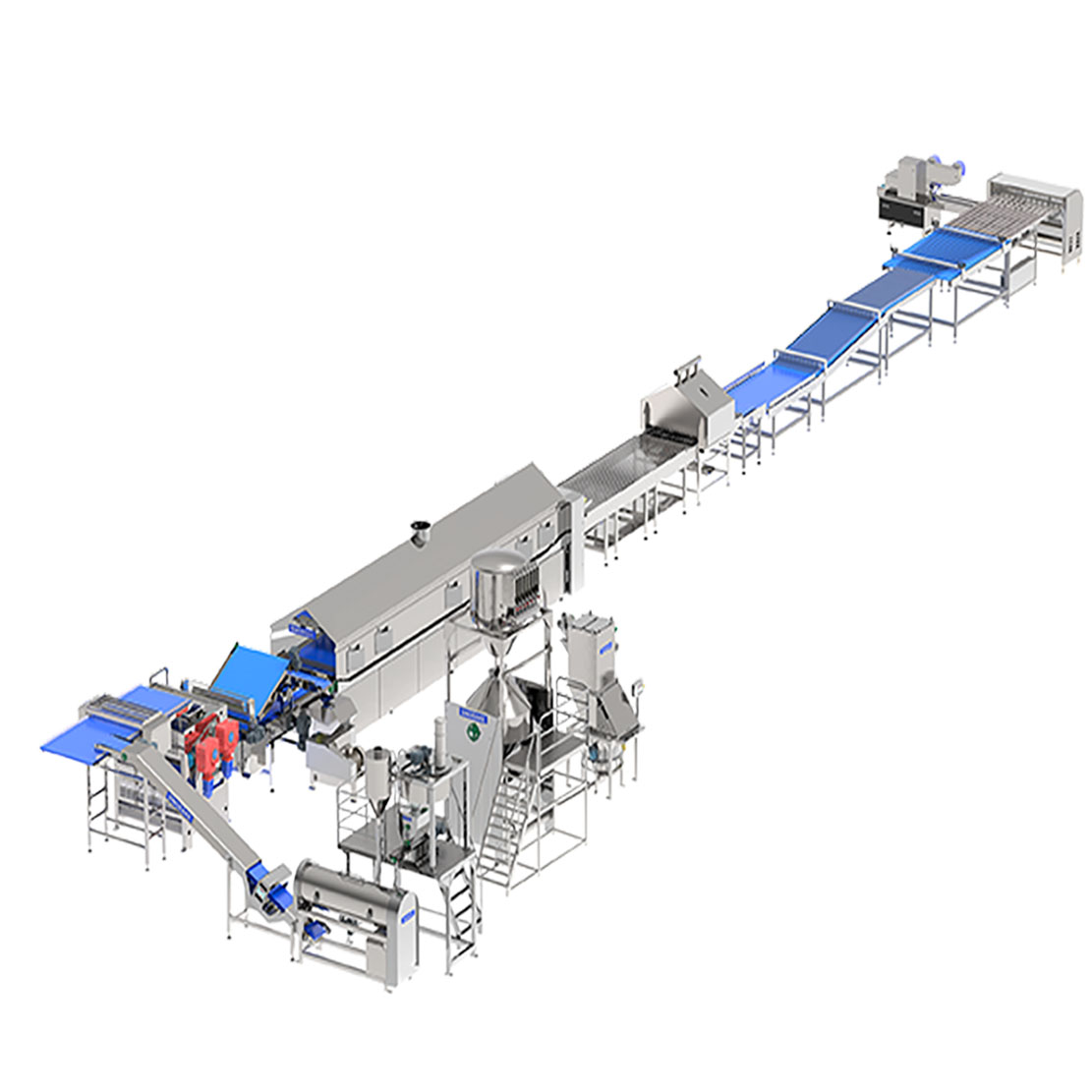
Once target capacity is confirmed, specify not only the hard biscuit forming section but also dough mixers, cooling conveyors and packaging equipment. Even if you add a high‑performance farci cookie machine later, insufficient processing capacity on downstream stations will create process bottlenecks for your crisp biscuit production line.

Oven Length Sizing: Match Baking Process and Avoid Over‑Sized Ovens
Baking Duration Defines Baseline Oven Length
Tunnel ovens account for the largest share of total investment for a biscuit production line. Thin products from a crisp biscuit production line require short baking cycles and work with shorter oven sections. Output from the hard biscuit forming section and products made by the farci cookie machine need longer heat exposure, which demands extended oven tunnels. Longer is not always better: excessive oven length increases energy consumption and floor occupation, while undersized ovens result in under‑baked and defective products.
Practical Oven Length Calculation
You can use this standard formula to calculate the required tunnel oven length for different biscuit varieties:
Oven length = Hourly output ÷ (Cycles per hour × Production load per meter) |
Evaluate Overall Oven Performance According to Heat Source Options
Gas‑fired ovens and electric ovens fit different scenarios, depending on local energy costs and site utilities. Gas‑fired tunnel ovens heat rapidly and suit large‑volume continuous runs for the hard biscuit forming section and crisp biscuit production line. Electric ovens feature simpler installation for small plants that mainly operate a farci cookie machine without gas supply. Prioritize multi‑zone independent temperature control for better browning and doneness adjustment.
Do Not Neglect Critical Oven Structural Features
Beyond length, inspect oven sealing performance and hot‑air circulation systems. Poor sealing causes massive heat loss and higher energy bills. Uneven hot‑air flow leads to inconsistent biscuit colour for goods coming from the hard biscuit forming section, crisp biscuit production line or farci cookie machine, and raises reject rates.

Complete Line Configuration: Build a Coordinated & Reliable Biscuit Manufacturing System
Customize Equipment Combinations for Your Product Portfolio
Equipment sets vary greatly. The hard biscuit forming section uses dedicated rotary‑cut units, a crisp biscuit production line needs fine‑tuned rolling devices, while a farci cookie machine delivers filled cookie outputs. Soda biscuit production requires extra laminating and fermentation units. Never adopt generic configurations; match machinery to your recipe and process requirements.
Assess Automation Level and Line Synchronization
The PLC control system should synchronize speed for mixing, the hard biscuit forming section, baking and cooling. If you integrate a farci cookie machine into your existing crisp biscuit production line, mismatched machine speeds cause dough sheet piling, tearing and reduced yield. Prefer fully synchronized production‑line designs to cut on‑site debugging difficulties.
Verify Supplier Reference Cases and After‑Sales Support
Review real‑world operating references of similar‑size lines before purchase. Confirm suppliers have proven experience with the hard biscuit forming section, crisp biscuit production line and farci cookie machine. Confirm suppliers can deliver installation, commissioning, operator training and spare‑part supplies. Solid after‑sales support minimizes losses caused by unexpected downtime.
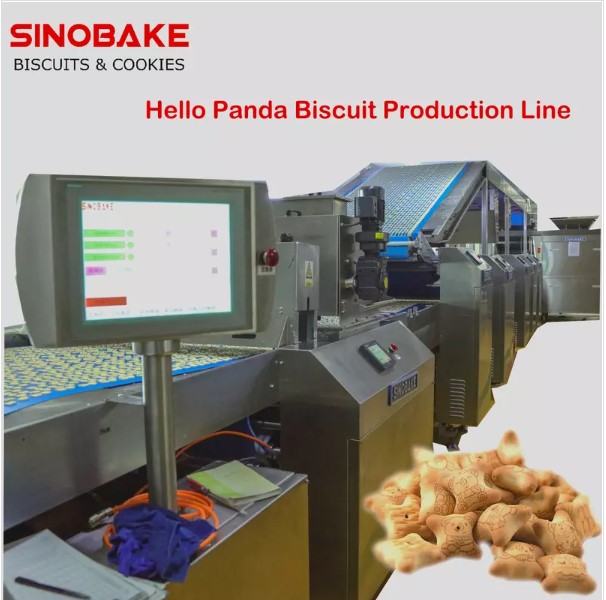
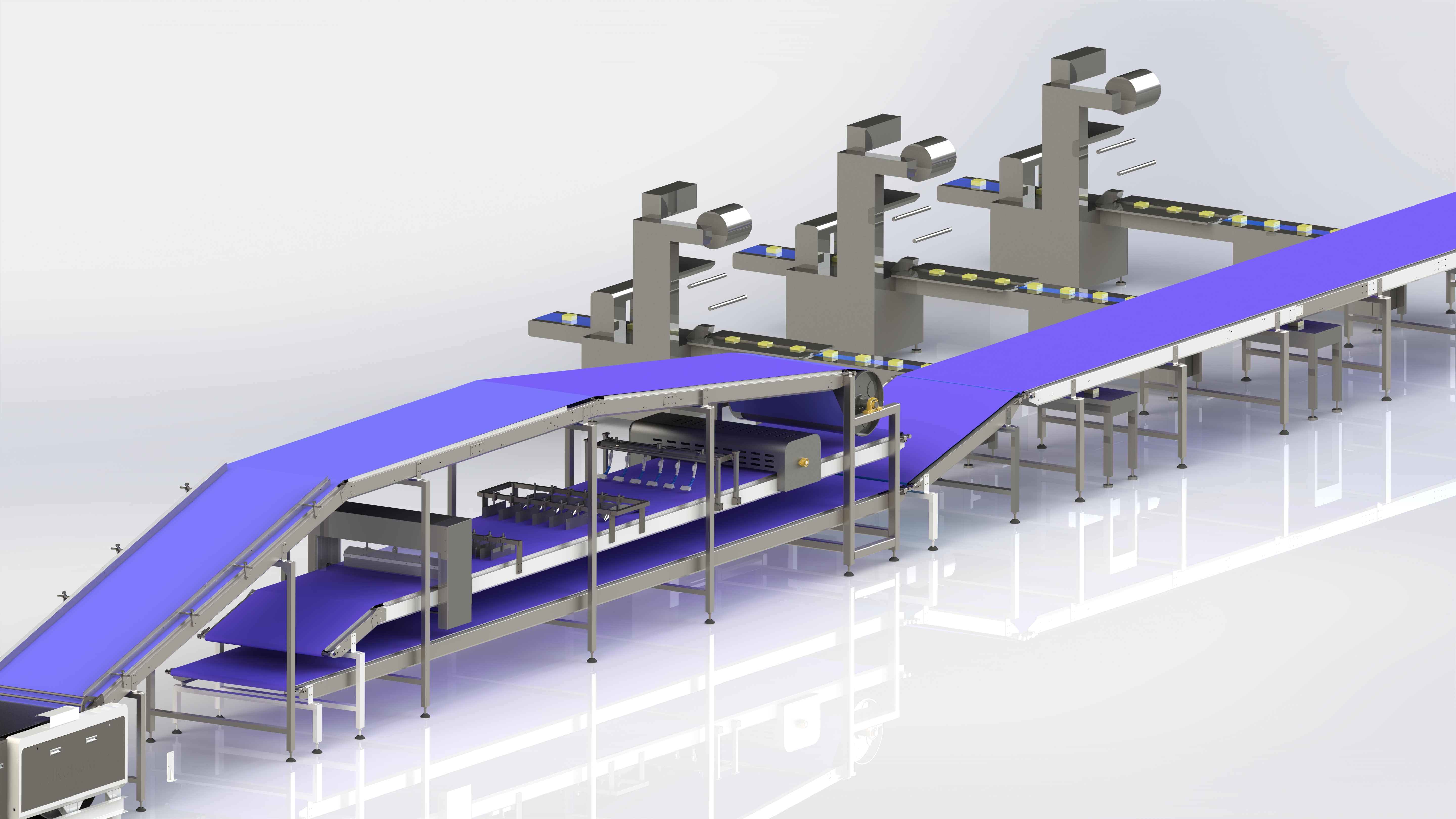
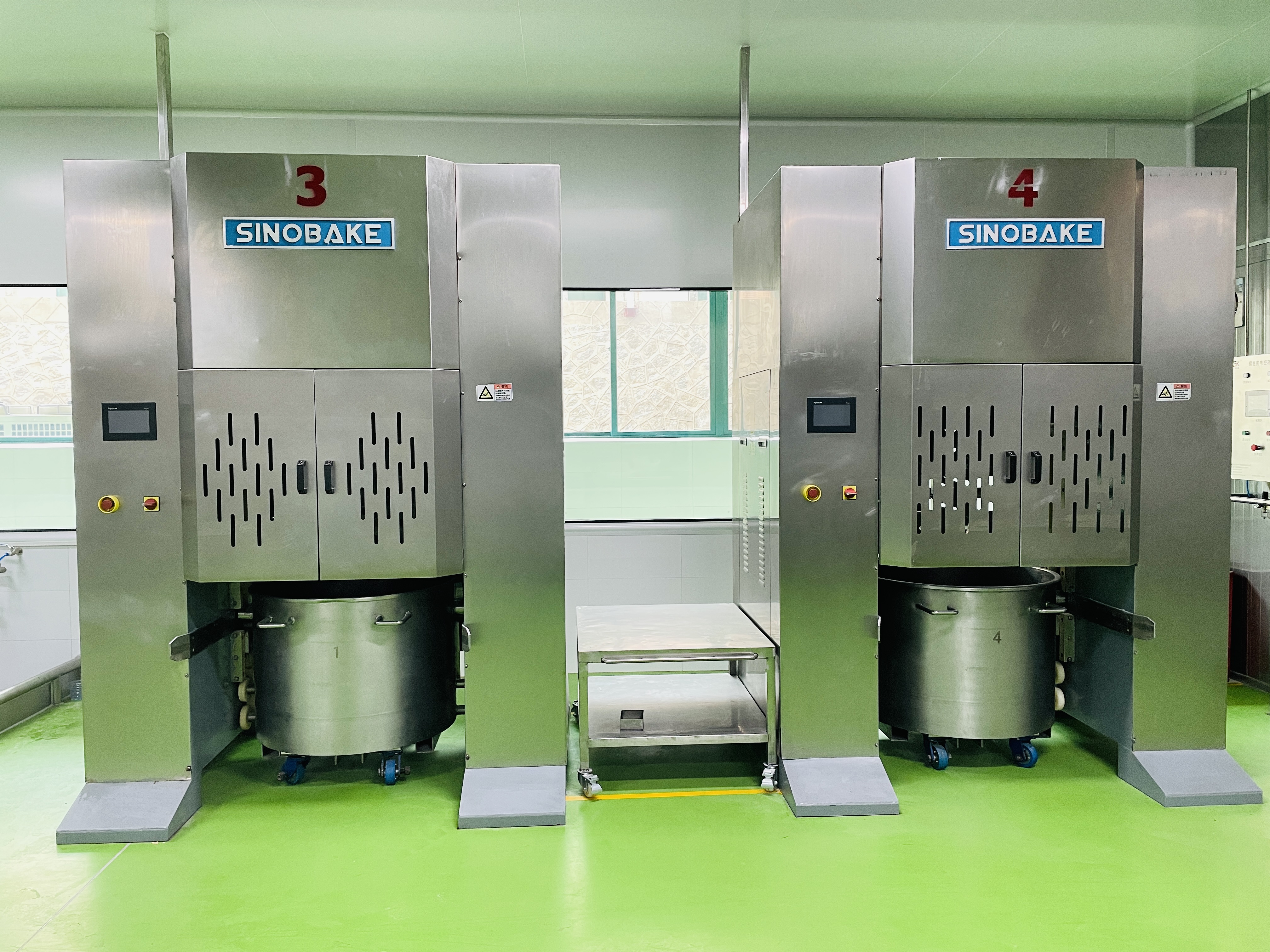 Cookie Dough, Cream Mixer
 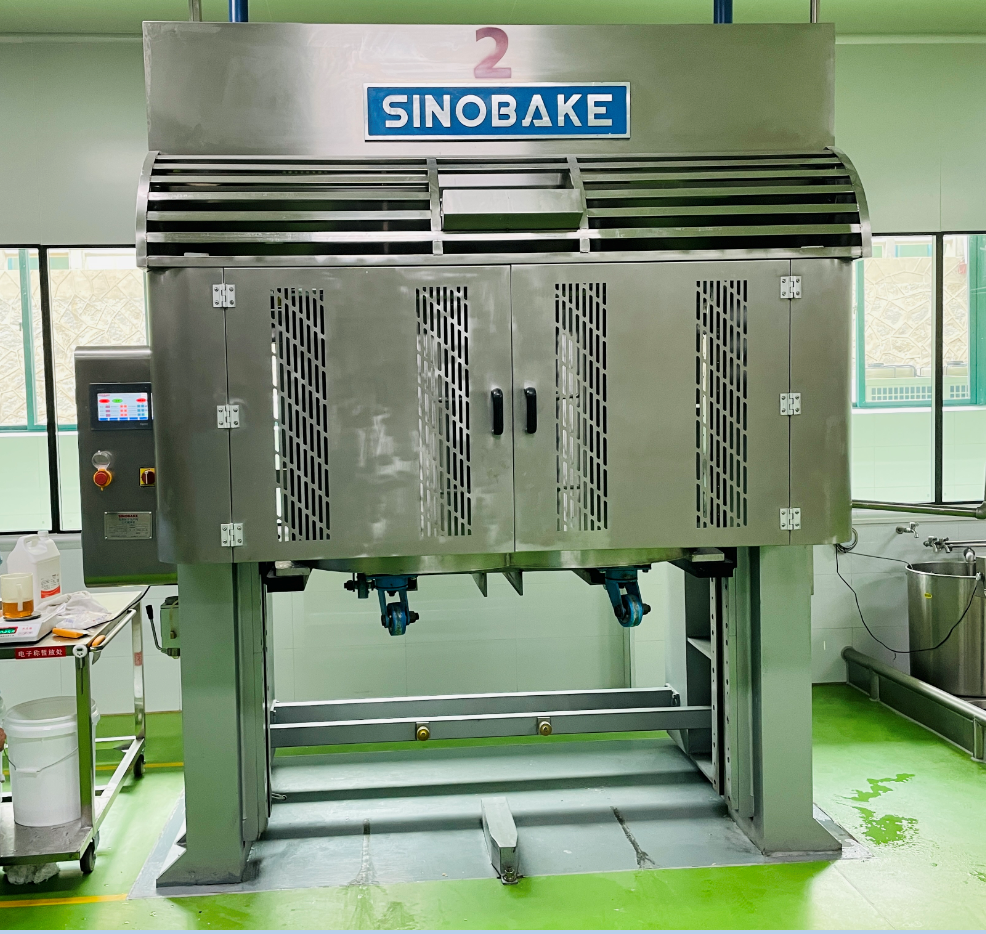 Vertical Dough Mixer
  Horizontal Dough Mixer
  Auto Dough Feeding System
  Tilting Machine
  Hard Biscuit Forming Section
  Soft Biscuit Forming Section
  Cutting Cookie Forming Section
  Depositor Forming Section
  Farci/Center filled Cookie Forming Section
 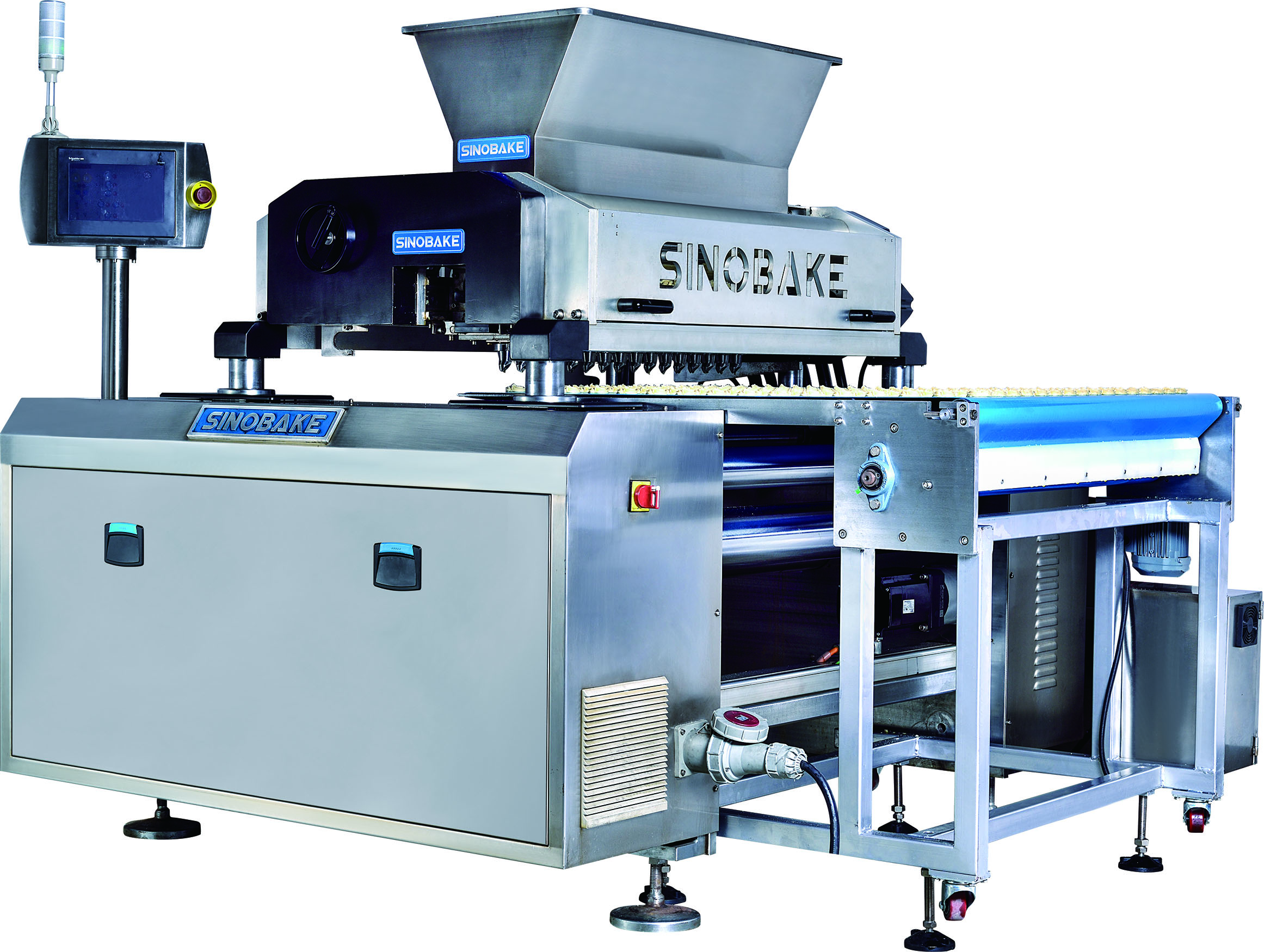 Multifunction Cookie Forming Section
 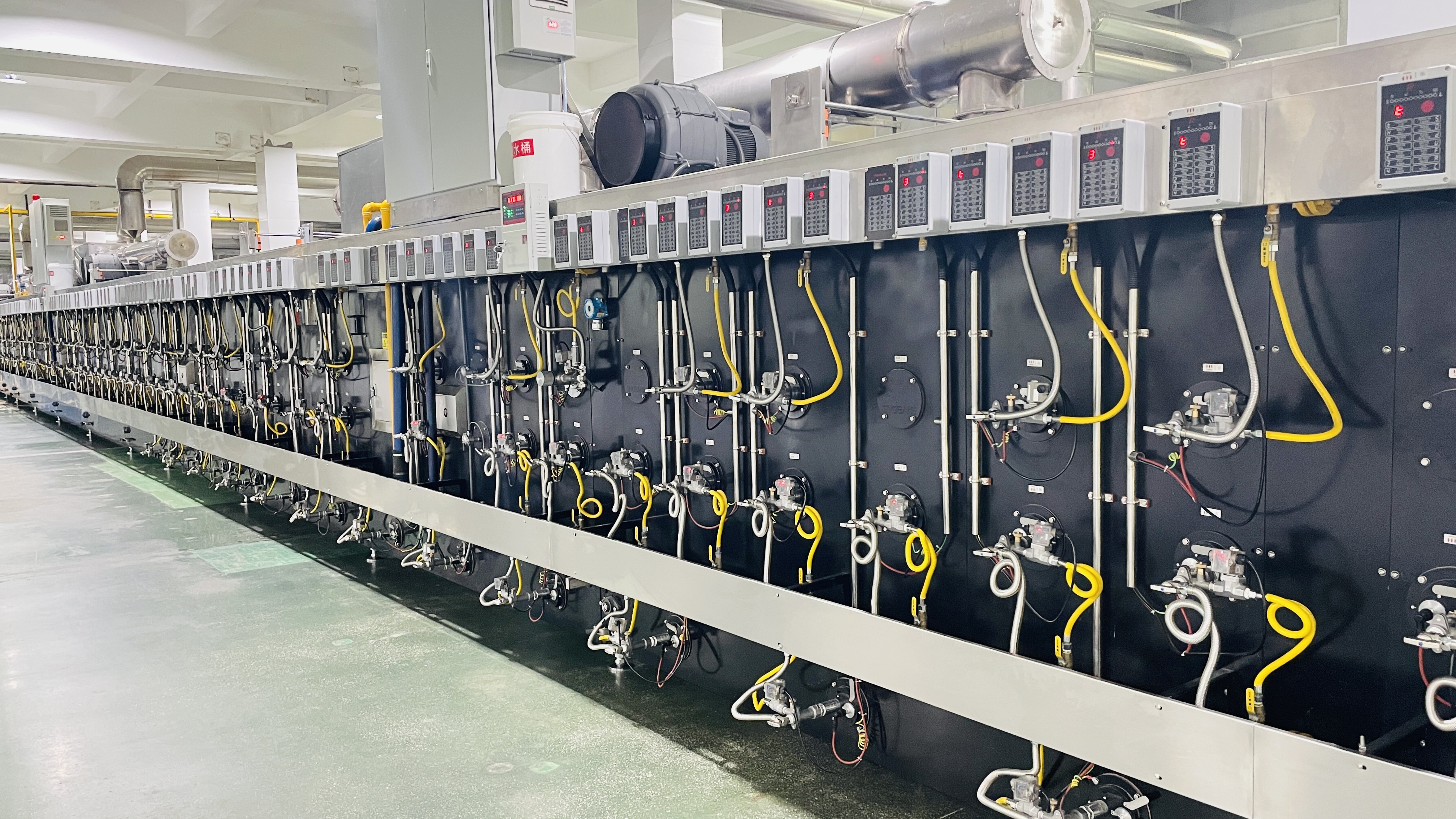 Directly Oven
 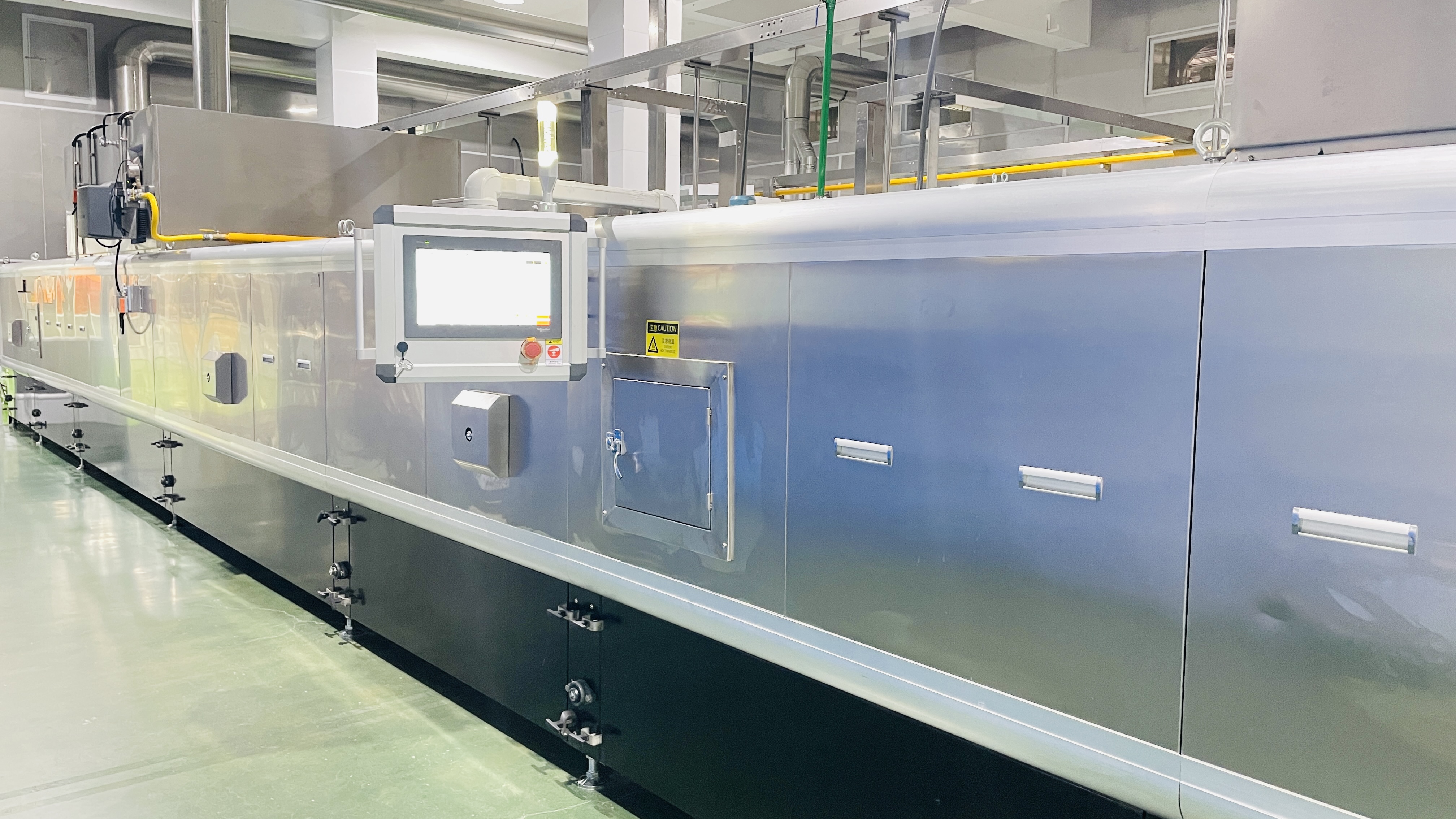 Indirectly Oven
 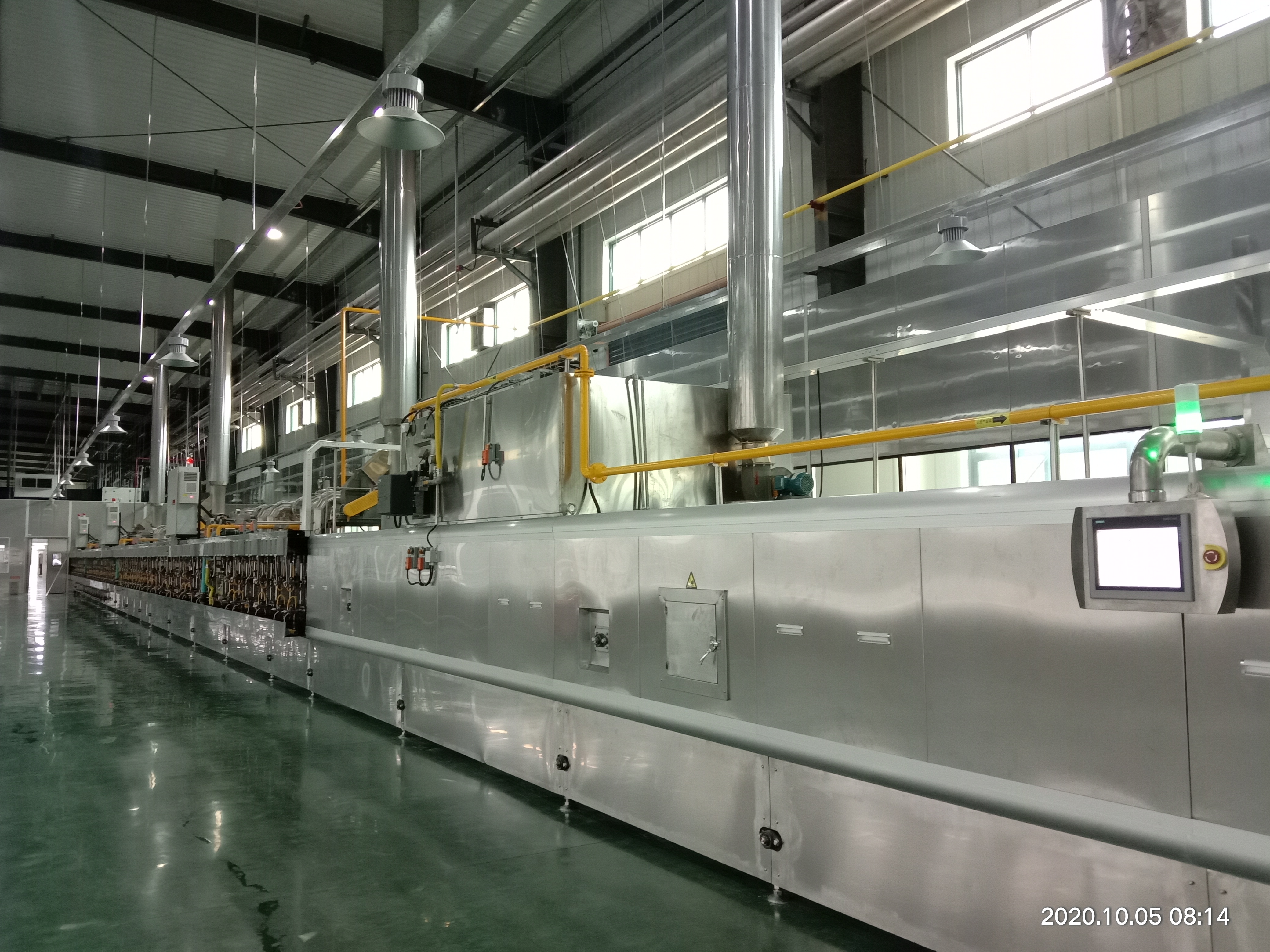 Hybrid Oven
 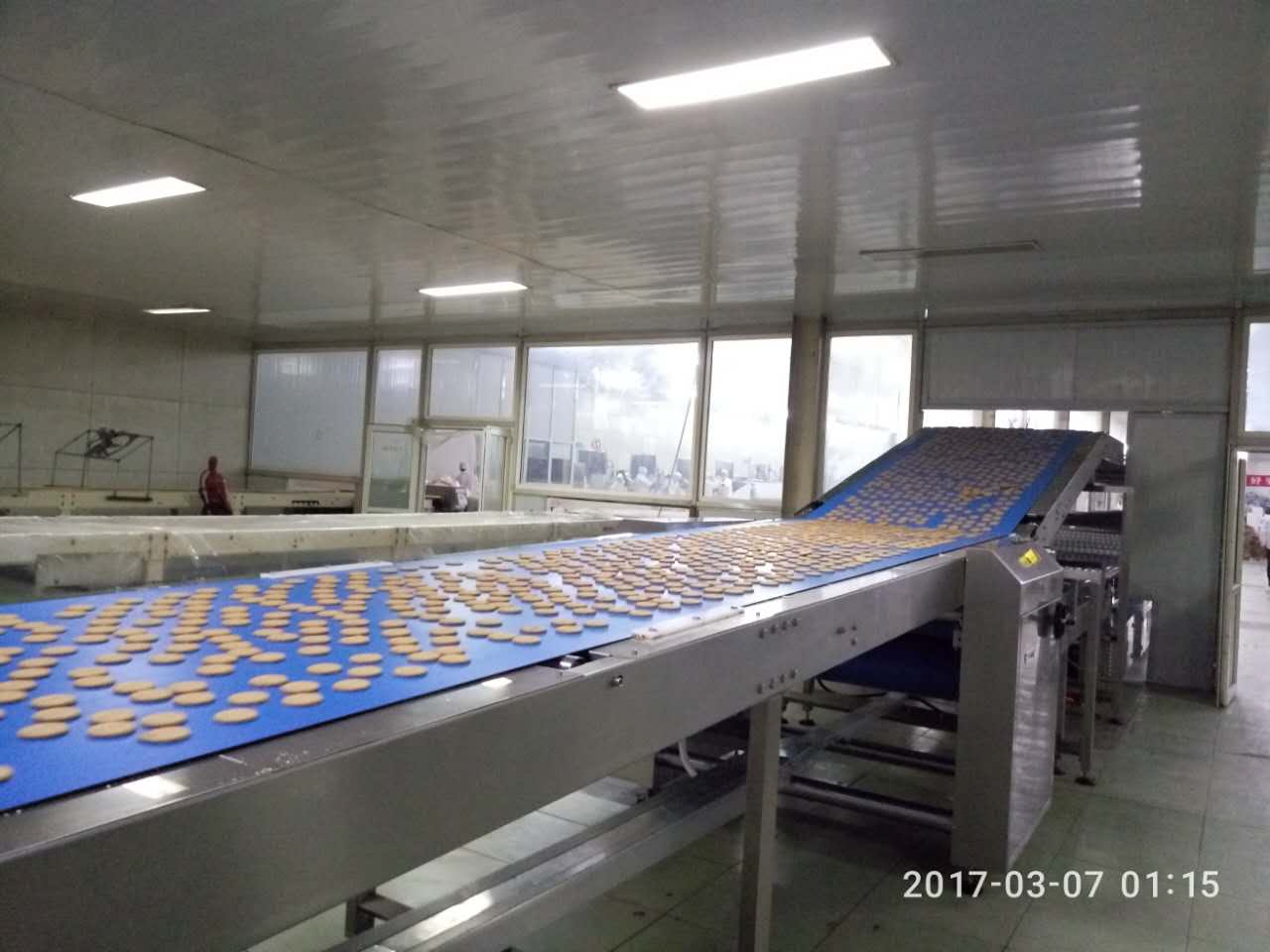 Biscuit Cooling section
 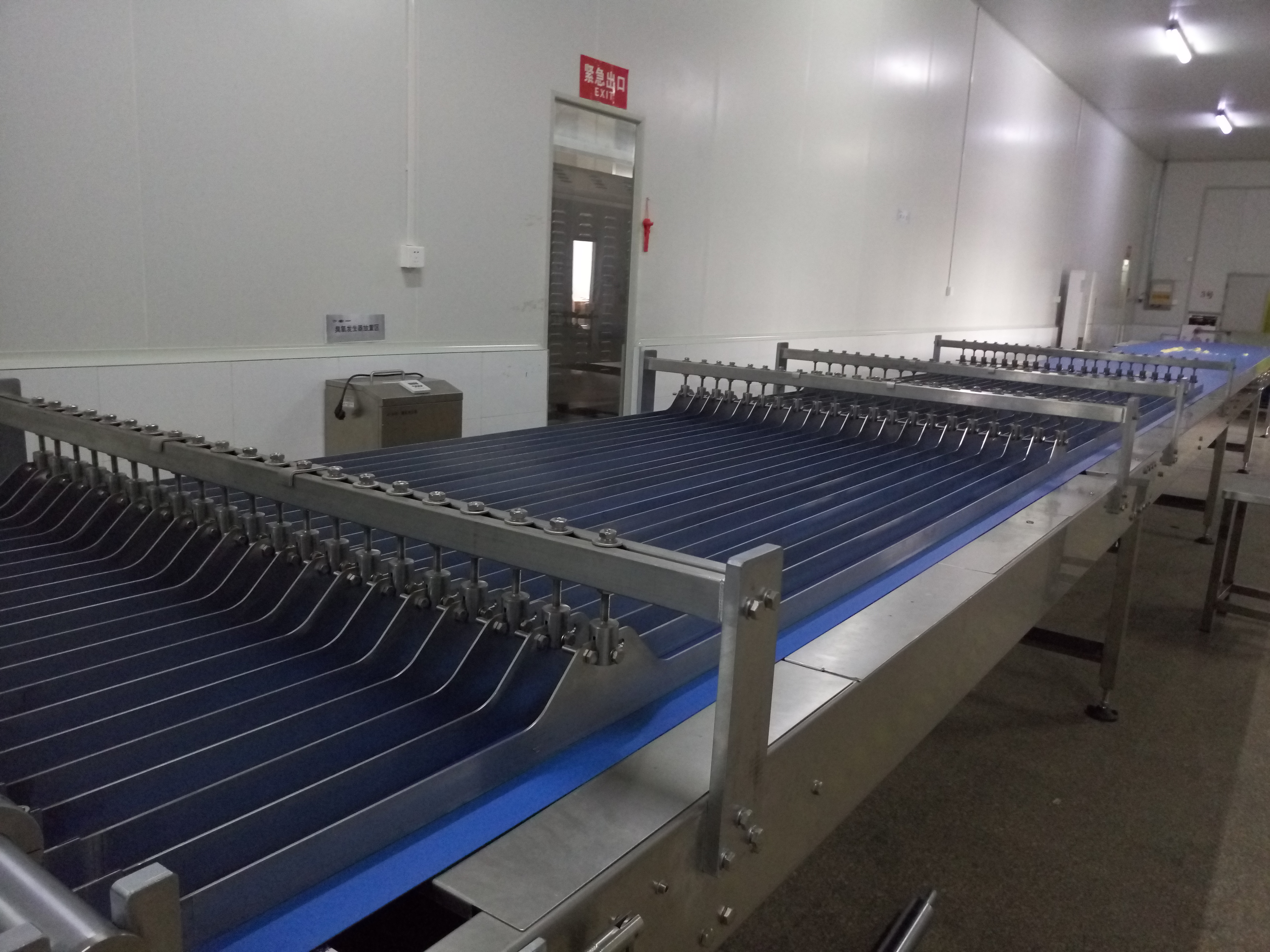 Biscuit Sorting section