English


Views: 0 Author: Site Editor Publish Time: 2026-11-27 Origin: Site


Soft and hard biscuits – what is the key difference between them? How can both types be produced using a single production line?
First, understand the differences in manufacturing processes: why "dual-purpose" is not merely a simple assembly.
In the industrial production of baked goods, the rheological properties of the dough determine the mechanical design of the entire production line: for hard biscuits, it is necessary to knead the dough to create an elastic gluten network, whereas for soft biscuits, it is essential to prevent the formation of gluten in order to achieve a crisp texture. These two approaches are essentially \"mutually exclusive,\" and traditionally, two separate production lines are used for this purpose.Comparison dimension | Hard biscuit line | Soft biscuit line | Combine soft and hard biscuit line |
|---|---|---|---|
Dough recipe | Low in sugar and oil, with plenty of water; stir thoroughly to form a gluten network. | High in sugar and oil, with little water added; it inhibits the development of gluten, resulting in a crisp texture. | Compatible with both high-gluten and low-gluten dough processing methods |
Core Formation | Three-Roller Calender + Two-Roller + Rotray Cutter | Rortary Moulder (engraved copper rolls/PTFE rolls for imprinting and demolding) | Calendering unit + Rotary cutter + Rotary Moulder (modular integration) |
Scrap recycling | A return conveyor belt must be installed (to recycle the shredded scrap material). | No scraps (100% formed by pressing the dough) | Automatically enable material recycling when producing resilience, and automatically stop when producing flakiness. |
Oven temperature control | 4.5–6.5 minutes (rapid high-temperature baking in the front area to promote expansion) depends on the product | 6.0–8.5 minutes (slow baking at moderate to low temperatures to prevent cracking and maintain crispness)depends on the product | Multi-zone Independent Temperature-Controlled Tunnel Furnace (Gas/Electric/Hot Air Combination) |
Standard production capacity | 500–5000 kg/h | 500–5000 kg/h |

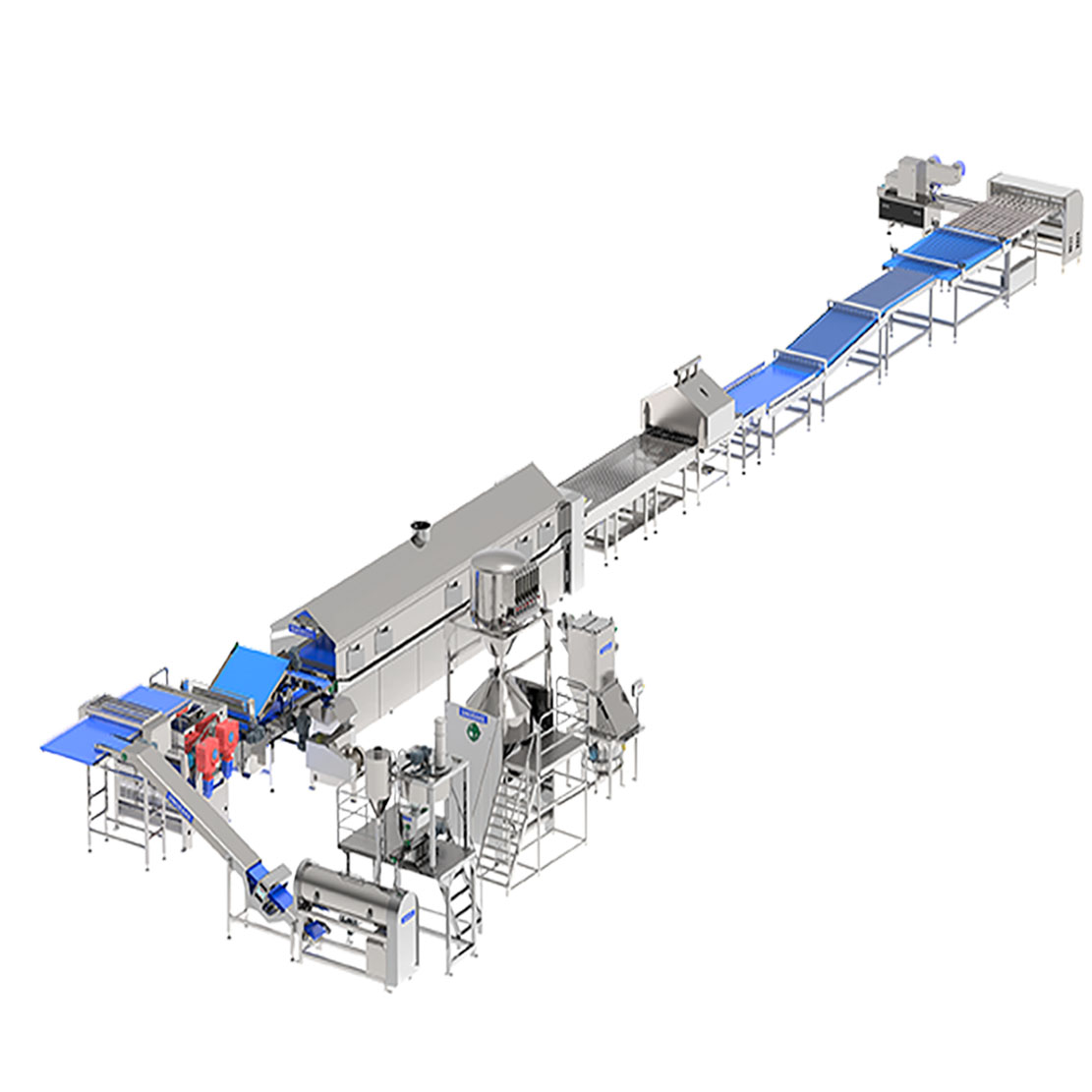
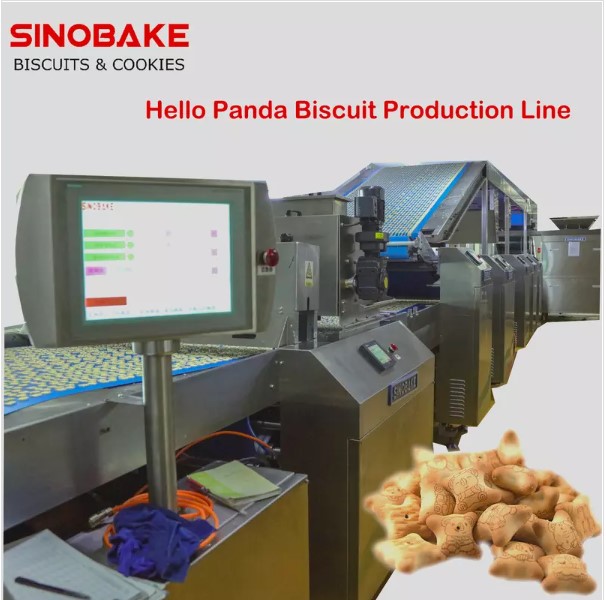
For bakery manufacturers that wish to expand their product range (SKU) while strictly controlling the space required for production facilities and the investment in fixed assets, SINOBAKE (Guangdong Shunde Huaji) has developed this highly integrated fully automatic solution, which enables minimal human intervention throughout the process, from adding ingredients to packing the finished products.
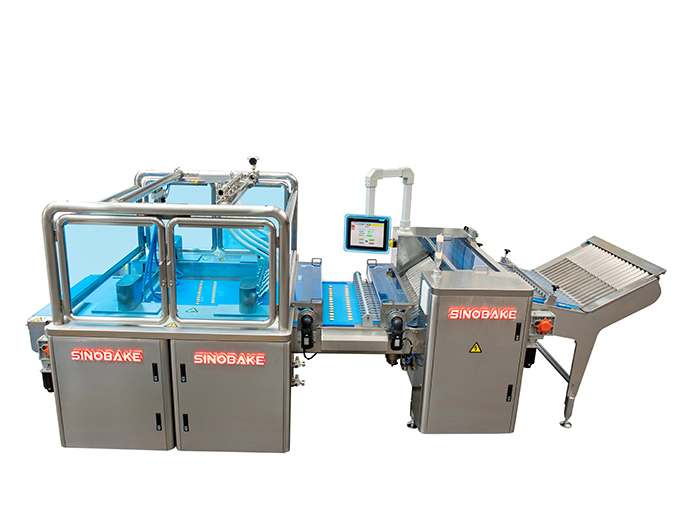
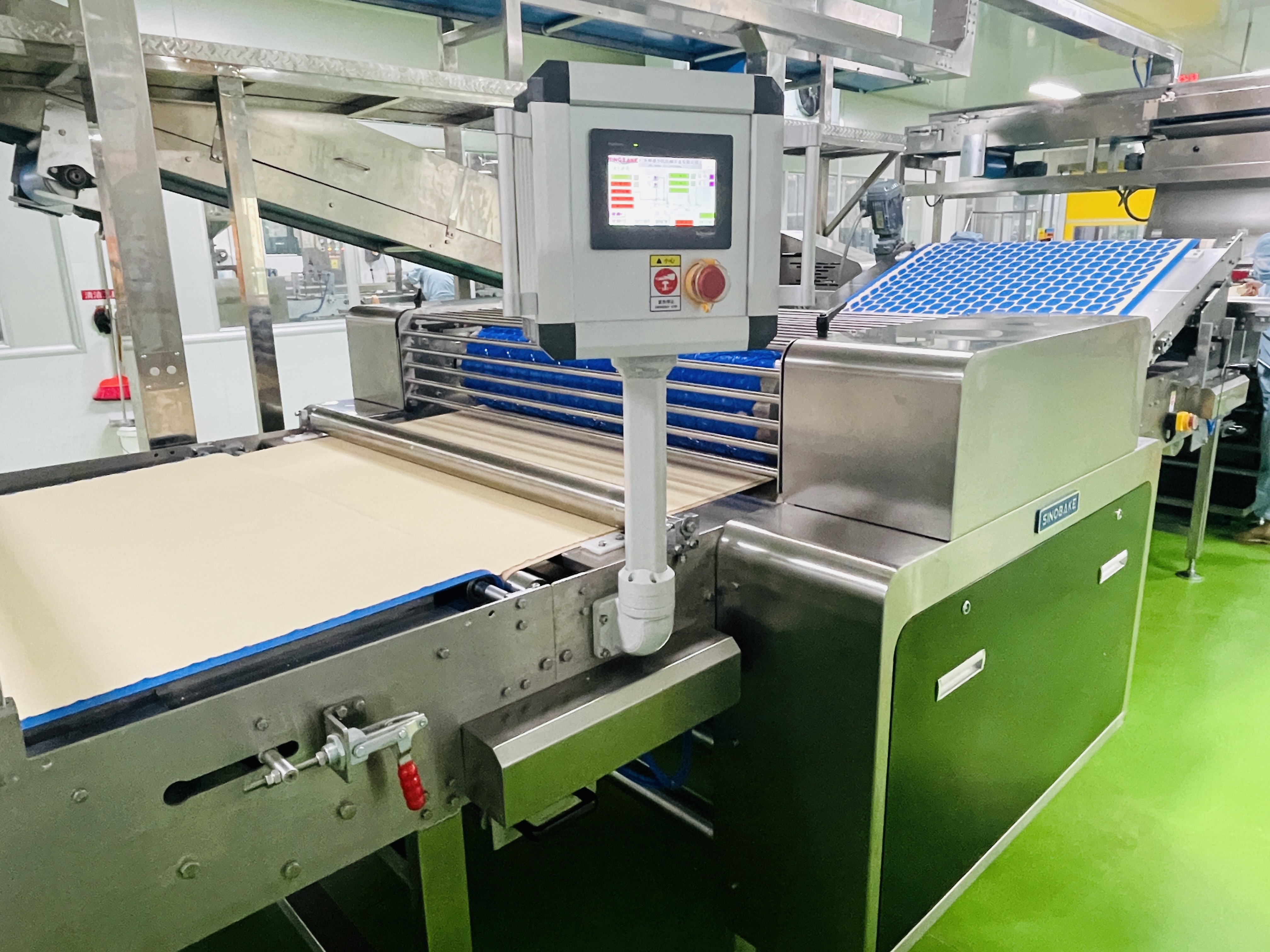
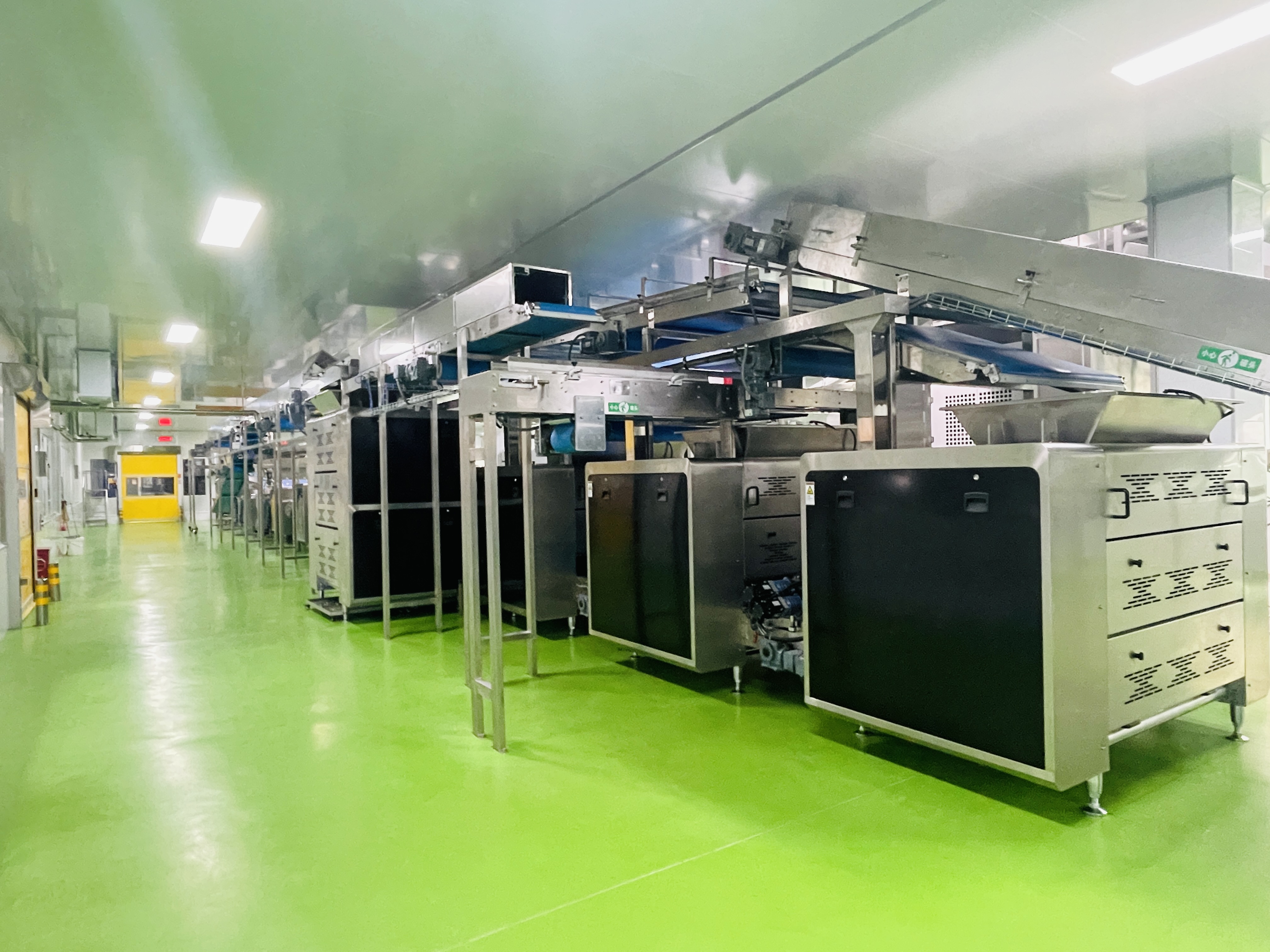
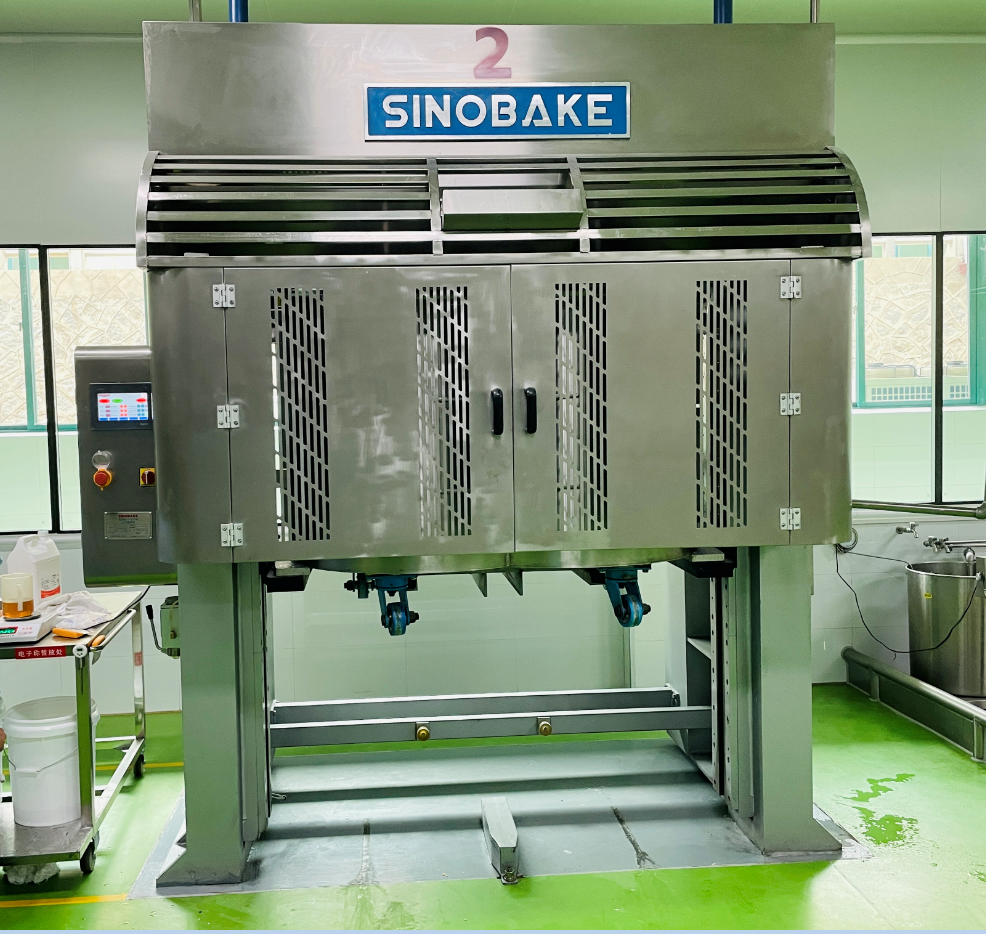
Variable-Speed Dual-Speed Horizontal Dough Kneader — One Dough Kneading, Two Dough TypesEquipped with a high-precision variable-frequency speed control system: it can deliver strong shearing force to knead hard dough, as well as achieve gentle mixing to prevent gluten development in soft dough. One machine simultaneously meets the two opposing process requirements of "requiring gluten" and "avoiding gluten." | Modular dual molding center – the key feature: one main line with two forming systems.On the same main conveying line, calendering, roll cutting, and roll printing modules are integrated, allowing for the switching of the operation path as needed. |

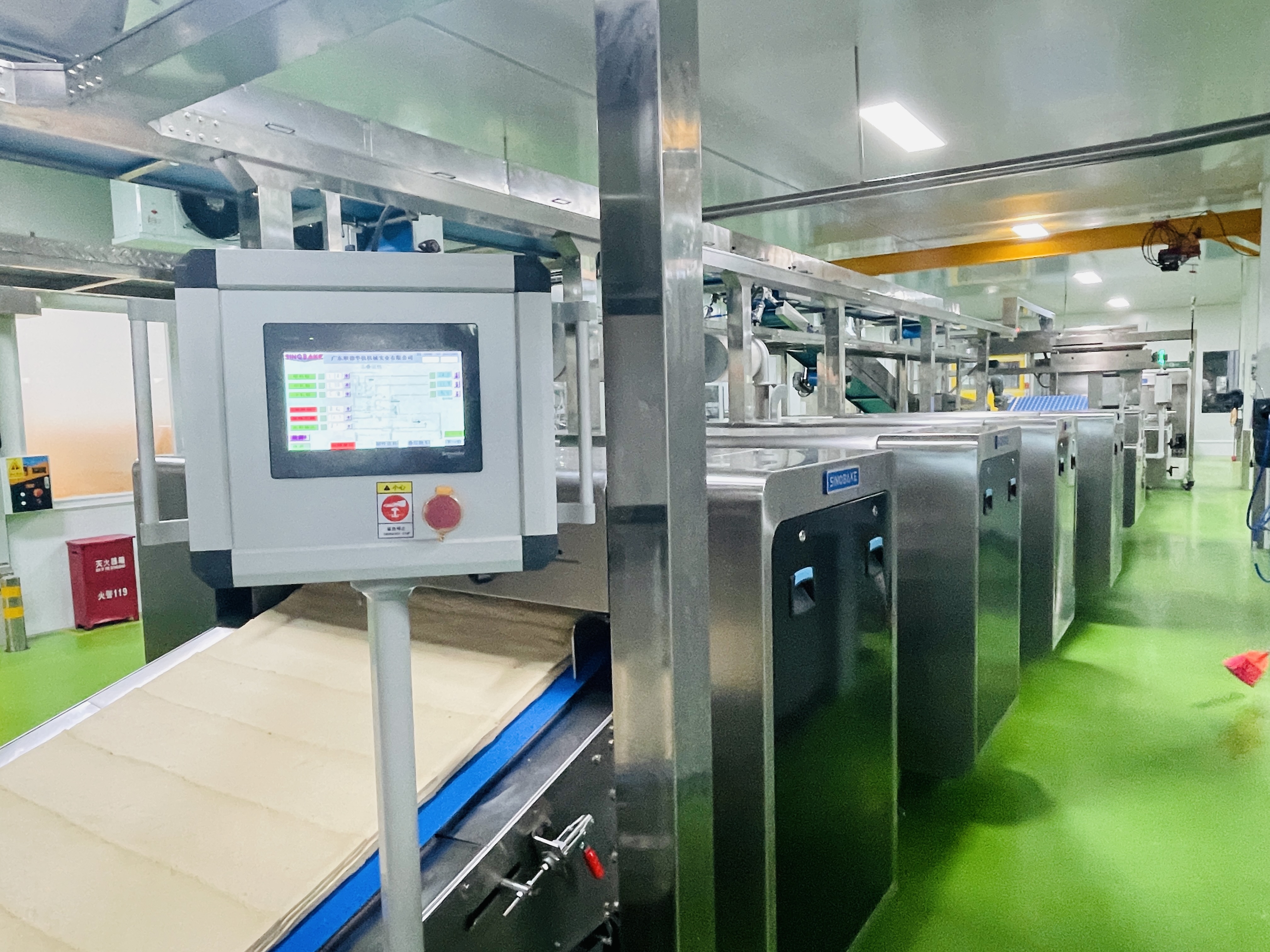
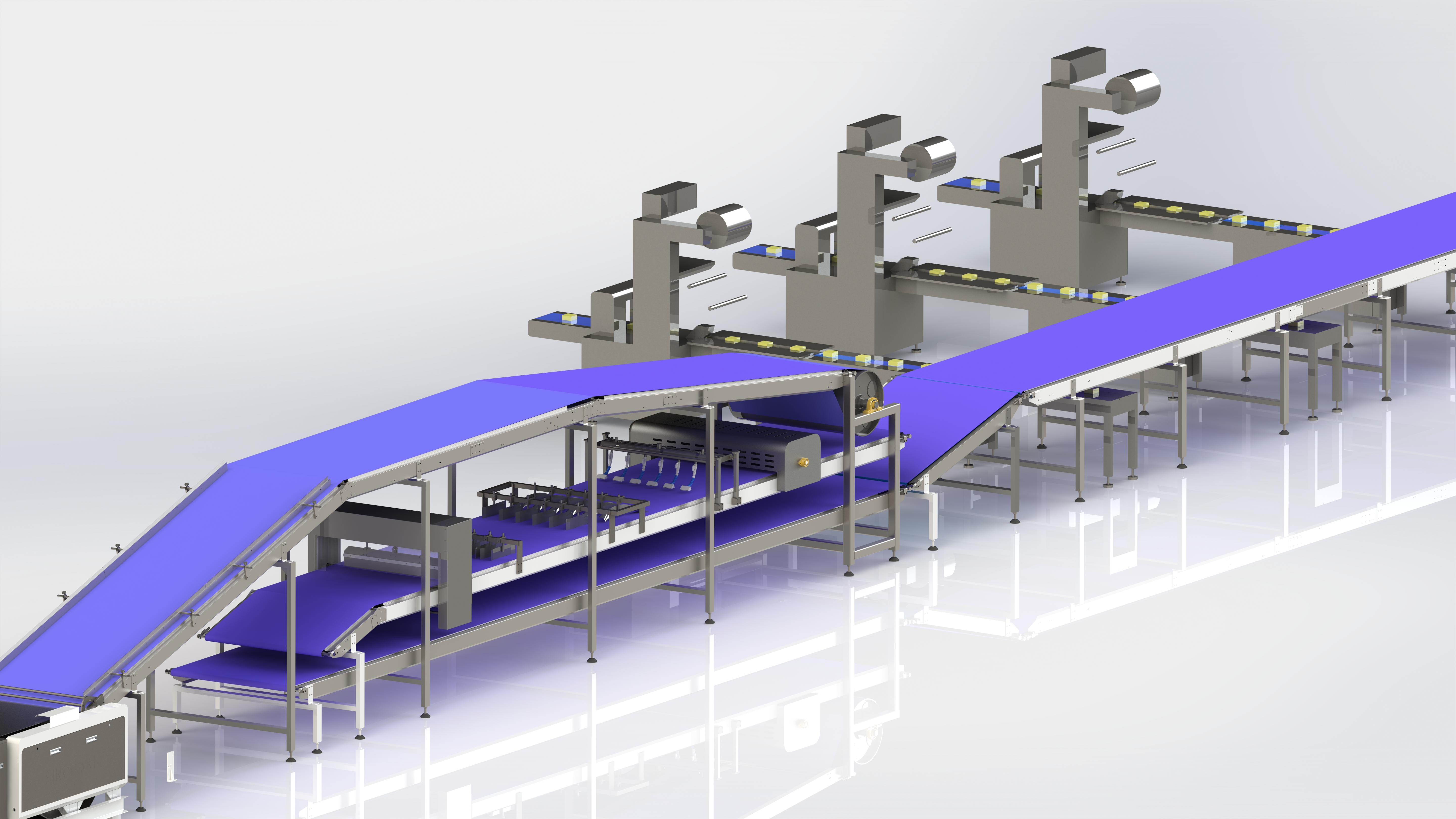
Hard Biscuit forming: The dough is rolled through three rollers to form a uniform strip, which is then shaped using additional rollers and a cutting machine. The remaining material is automatically sent back to the feeding hopper via a conveyor belt above for reuse; at this time, the roller printing machine operates in bypass mode, waiting to be used.

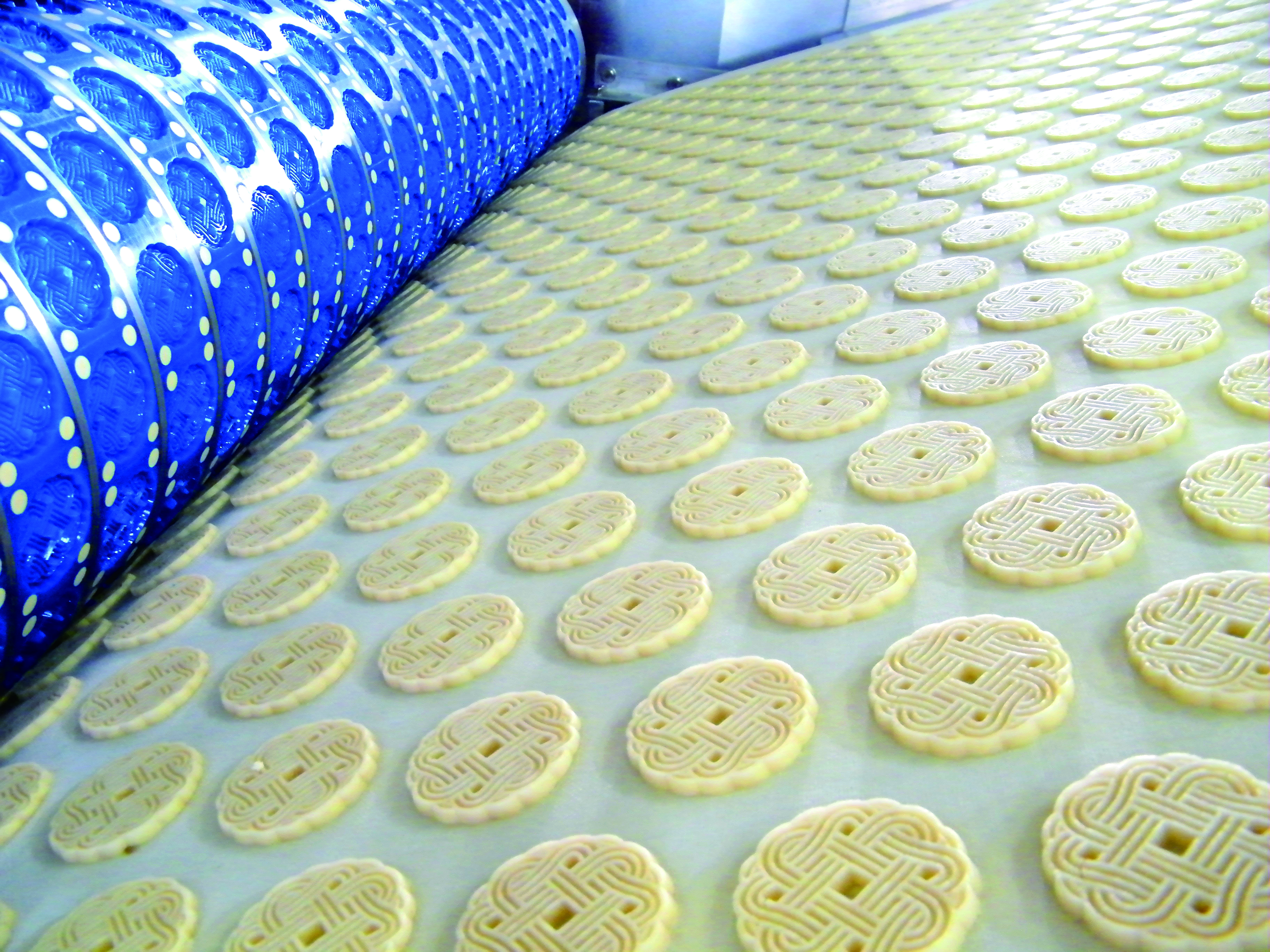
Soft Biscuit Forming
By raising the calendering guide, the dough is fed directly into the rotary moulder. By swapping in food-grade engraved rollers with various patterns, you can produce three-dimensionally patterned short-dough biscuits at high speed—with zero waste throughout the entire process.

Smart tunnel oven with multiple temperature zones – one furnace body with two sets of temperature control curves.
The furnace body is divided into 4 to 6 separate temperature control zones, and it is equipped with a Siemens/Schneider PLC-based temperature control system as well as independently adjustable vents for the upper and lower heating elements. Whether it’s necessary to produce tough biscuits that require strong heating from below or soft biscuits that need even coloring, preset baking curves can be activated with just one click.

Cooling and Automated Product-Handling/Packaging Line — Seamless Integration, Minimal Human Intervention
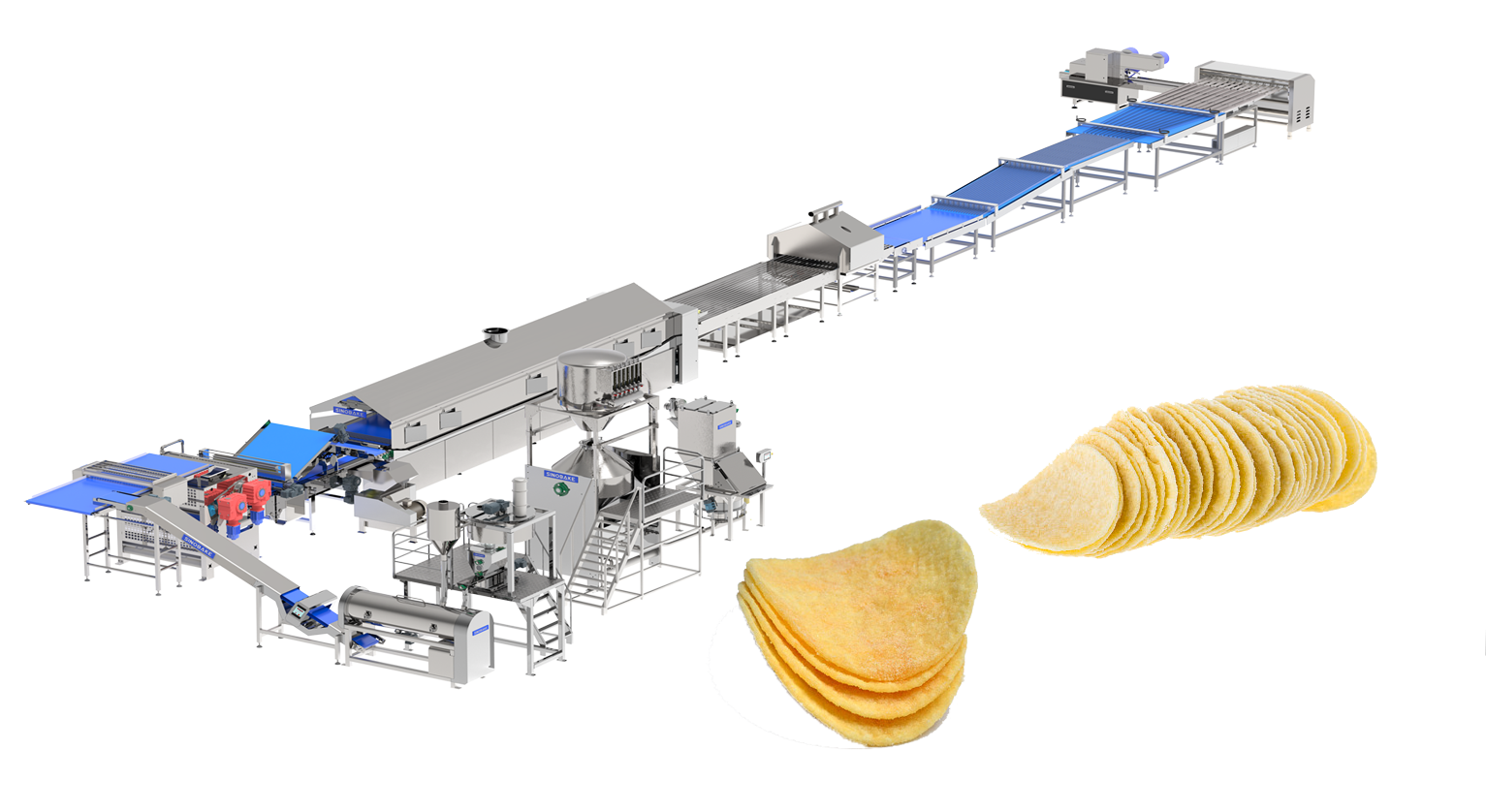
The oven exit connects seamlessly to a multi-tier, serpentine cooling conveyor system. Integrated with an automatic product-handling unit and a high-speed flow-wrapping machine, the setup enables a largely automated, low-labor operation—from the initial input of raw ingredients to the final boxing of finished products.

If you want to know more about the production line,please feel free to contact us.
https://www.sinobake.net/
WA: Manager Atom Lin: +86 13794640490 info@sinobake.net
 Cookie Dough, Cream Mixer
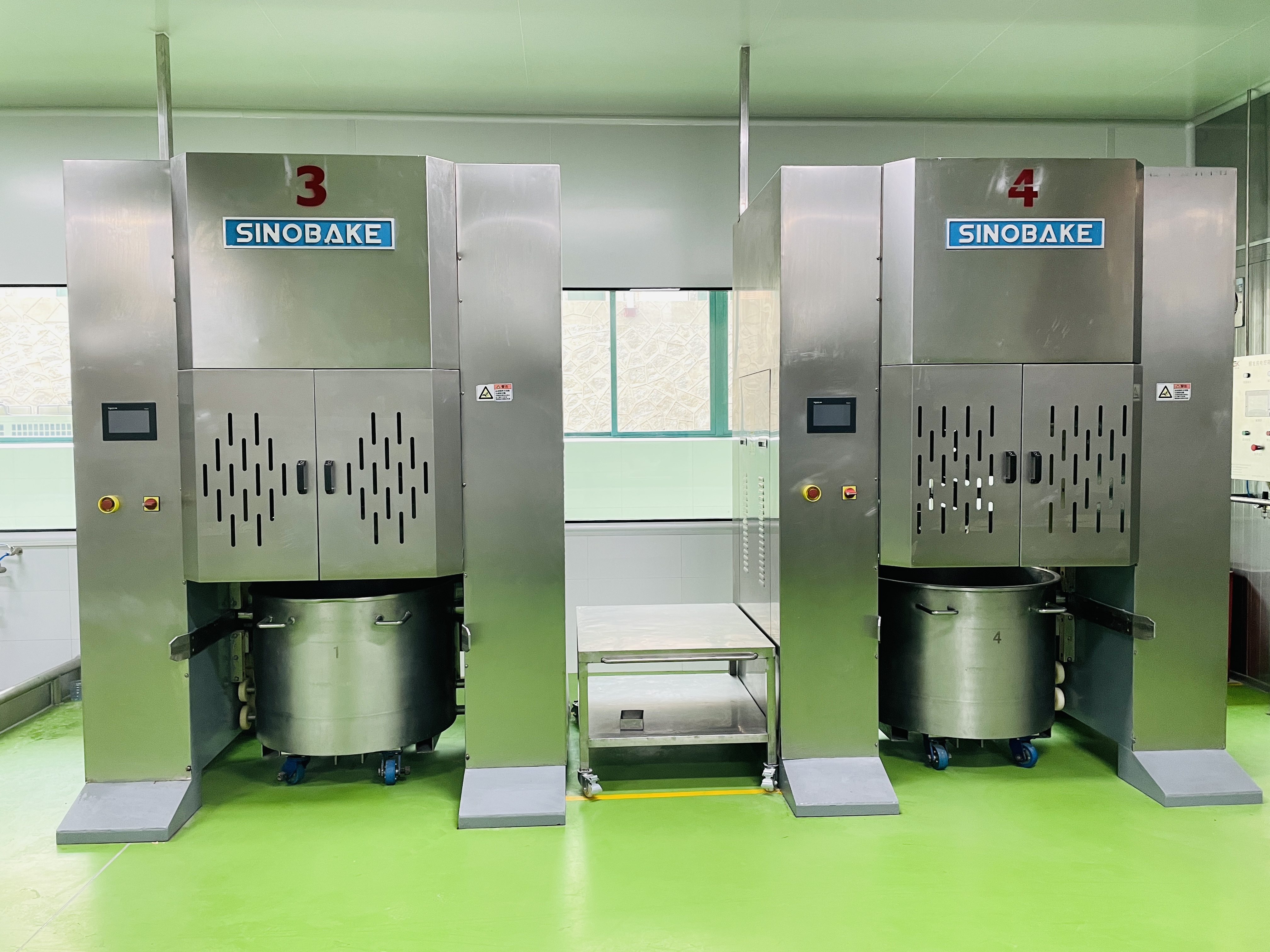
 Vertical Dough Mixer
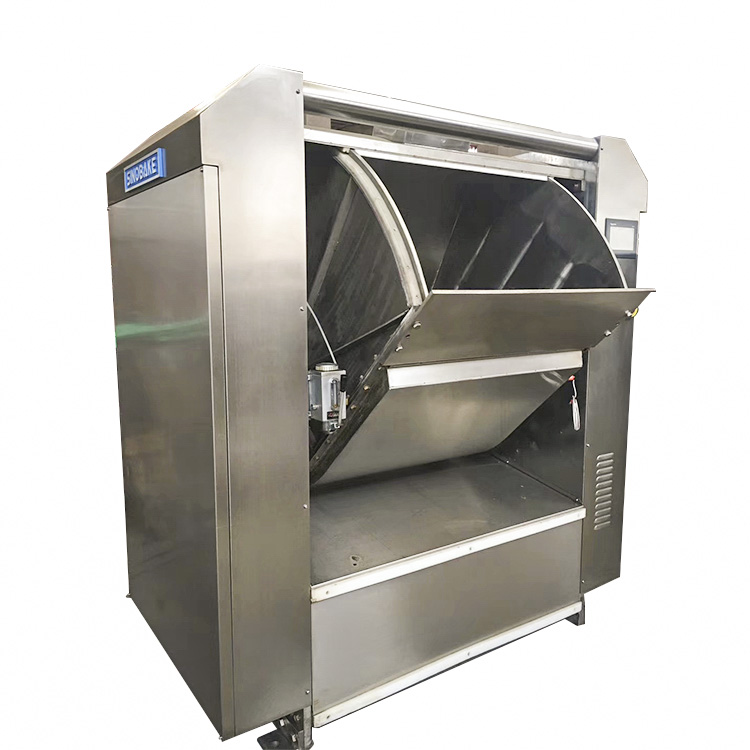 Horizontal Dough Mixer
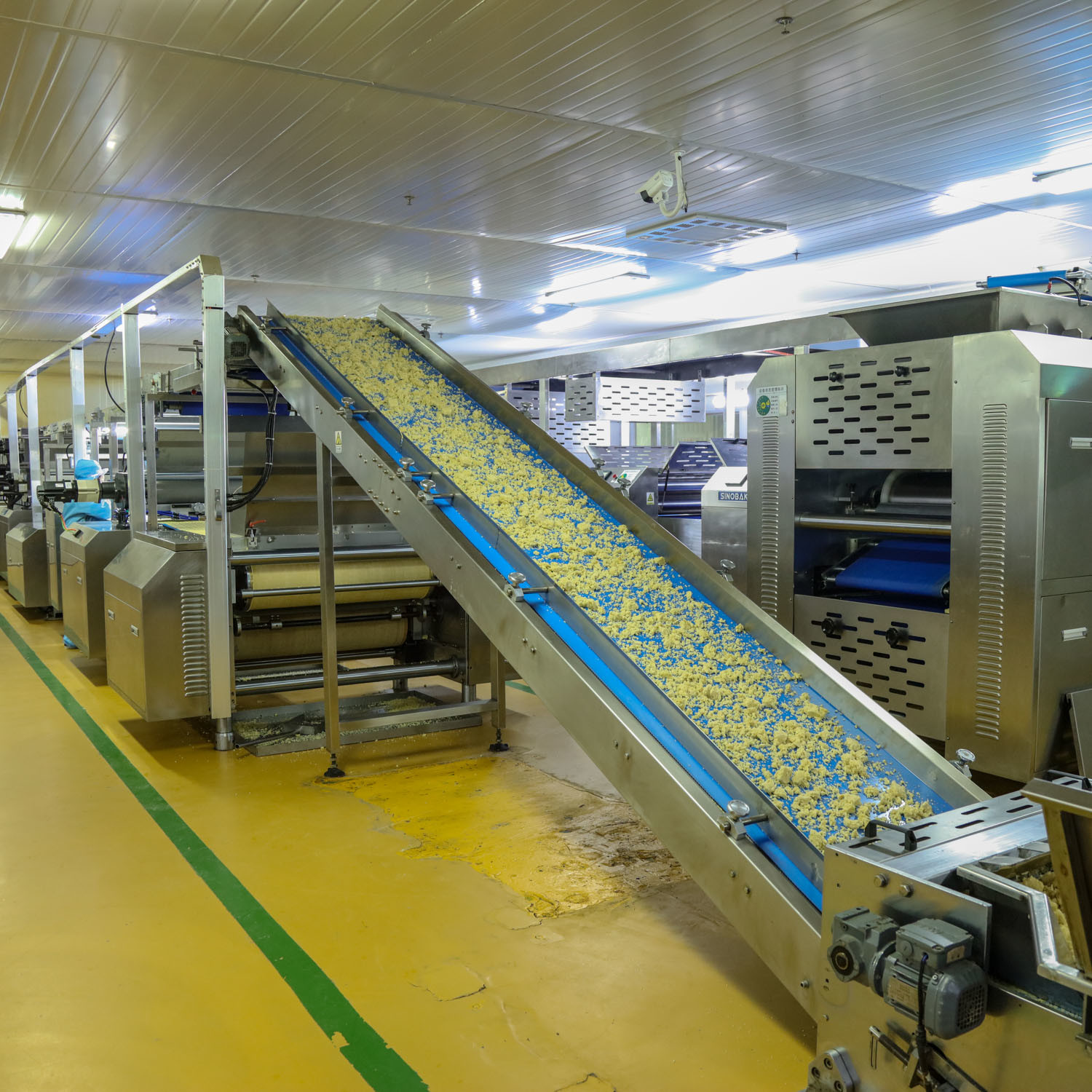 Auto Dough Feeding System
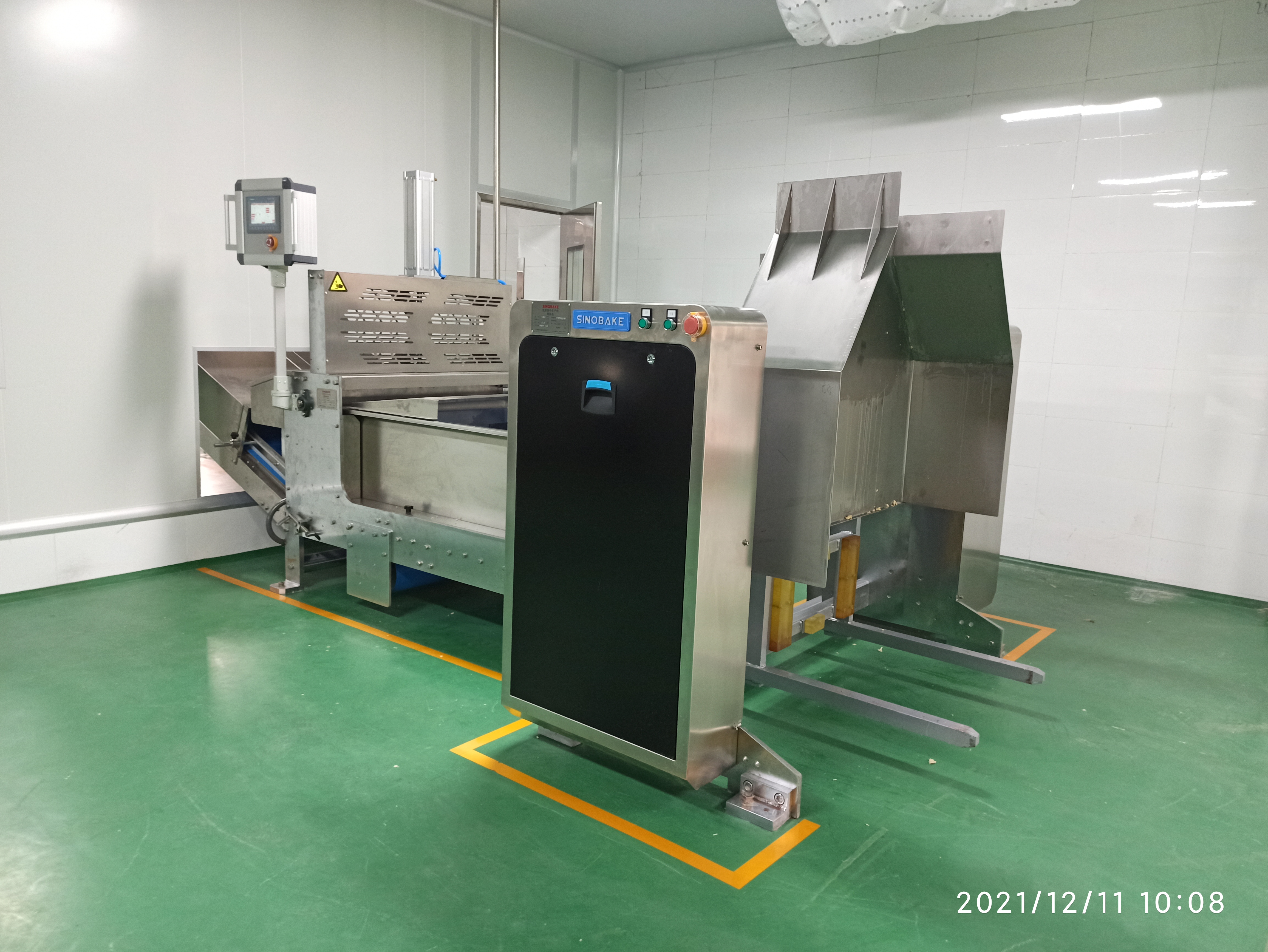 Tilting Machine
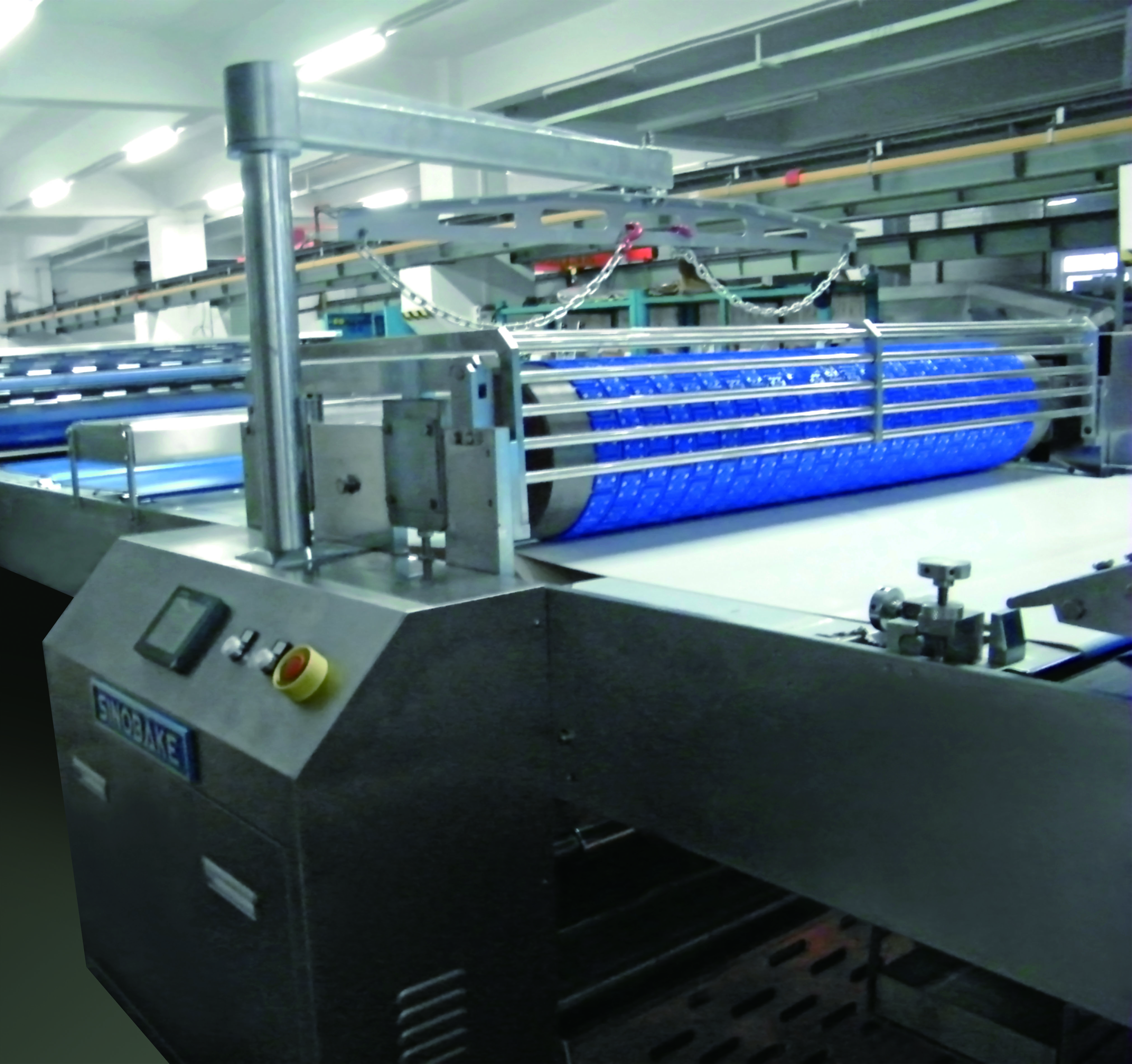 Hard Biscuit Forming Section
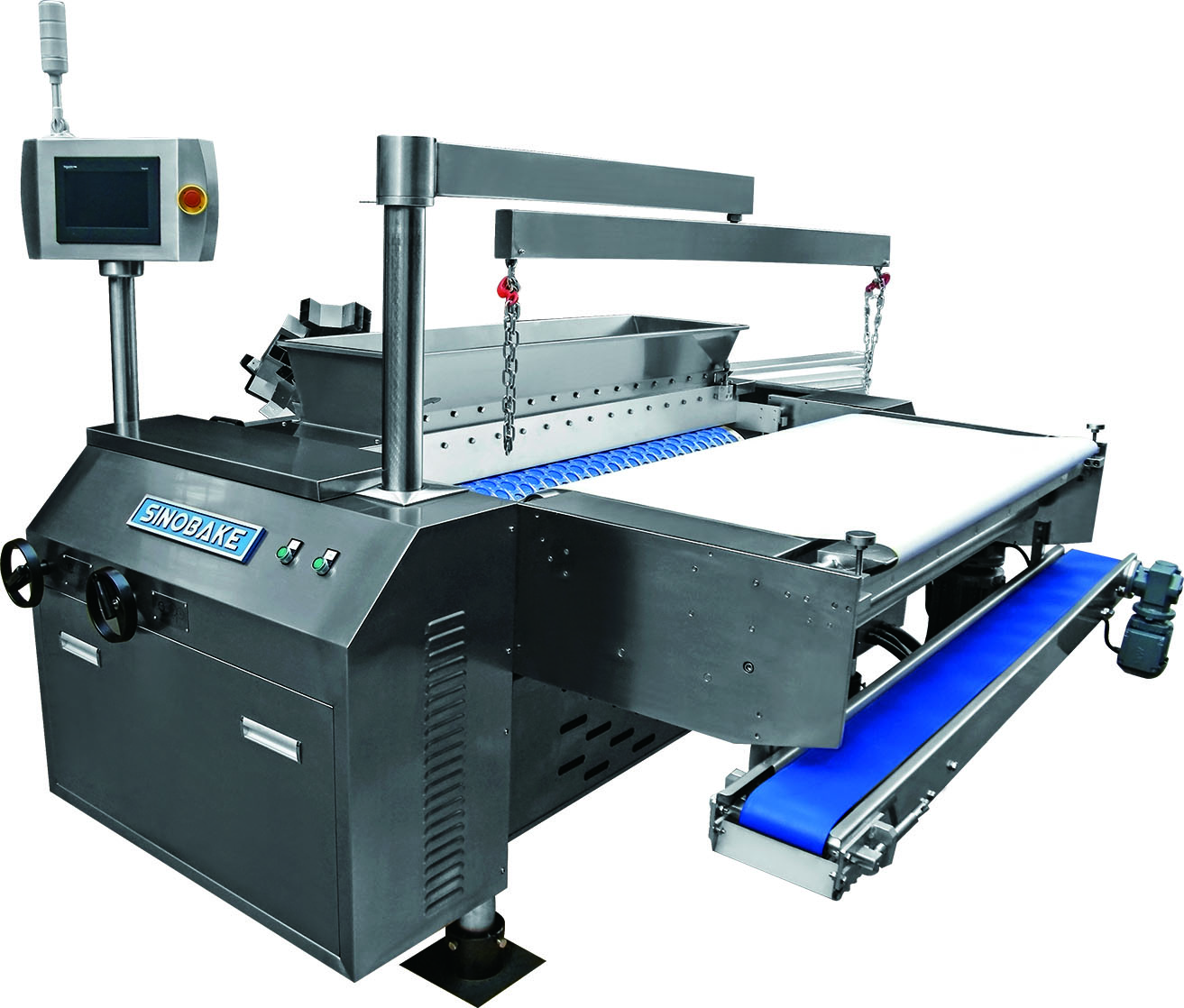 Soft Biscuit Forming Section
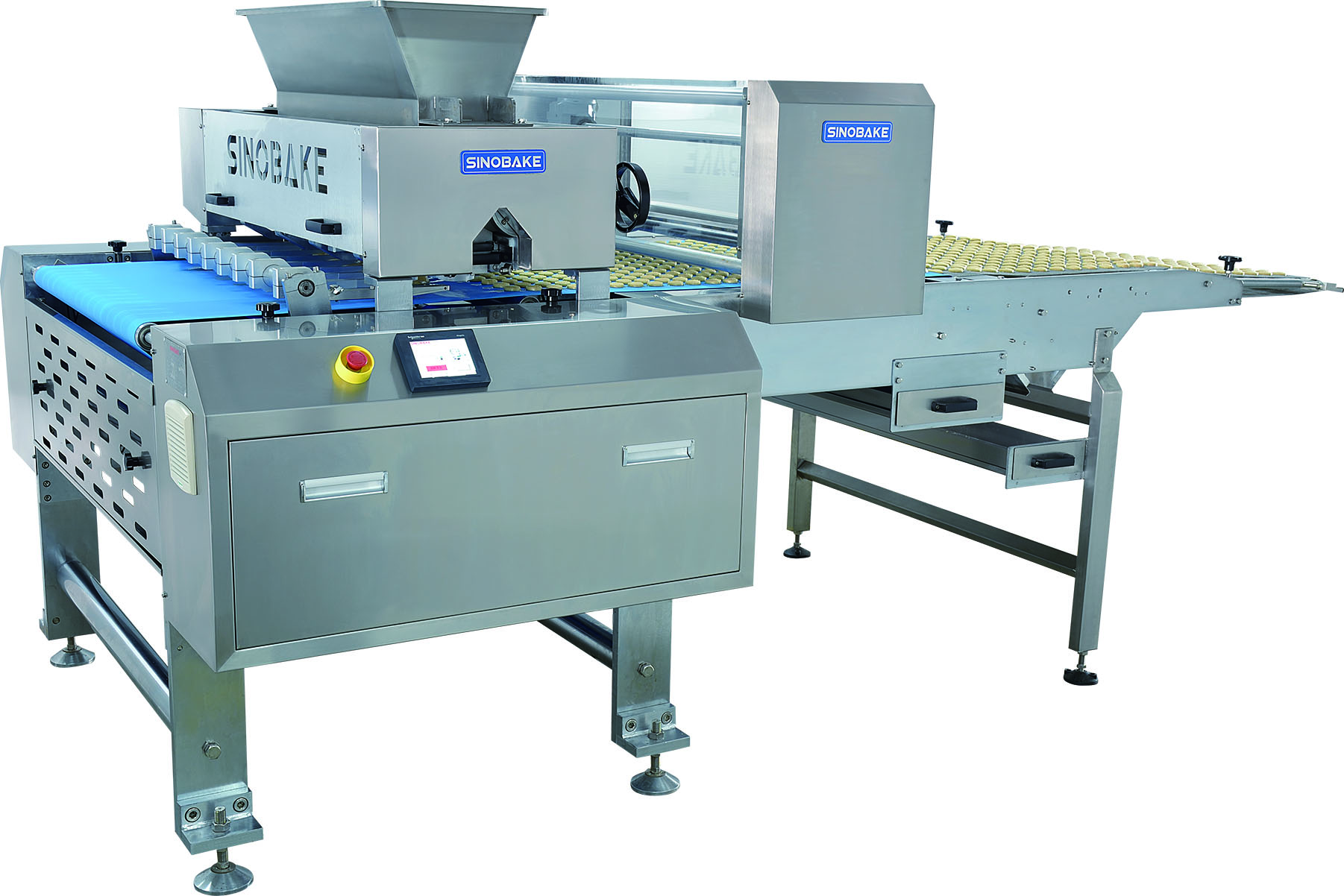 Cutting Cookie Forming Section
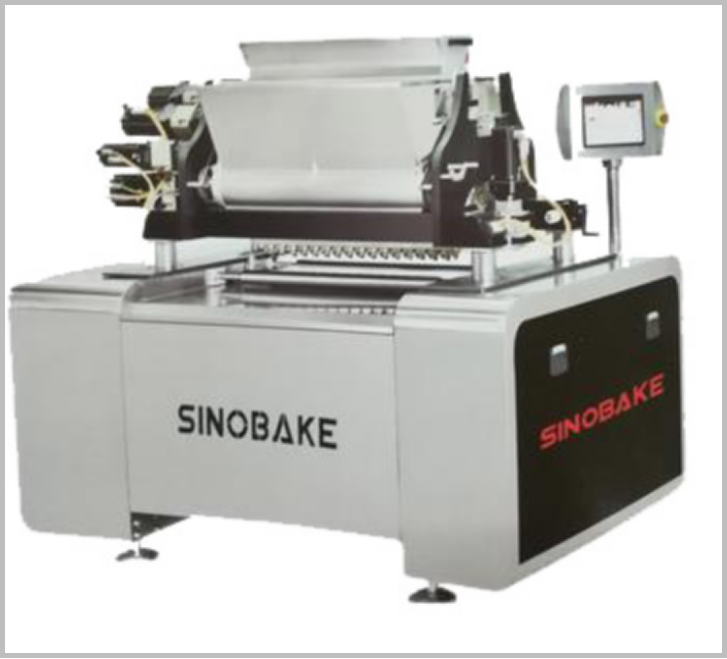
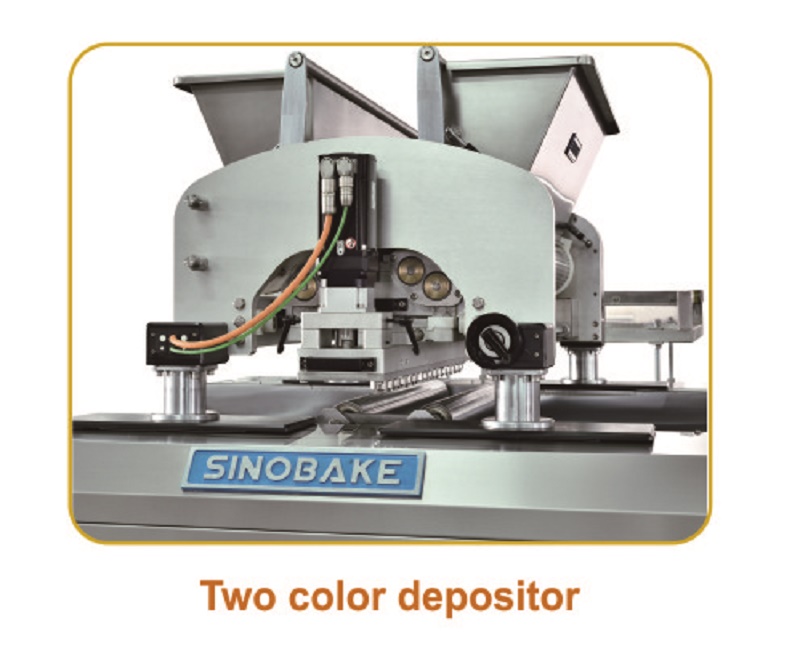 Depositor Forming Section
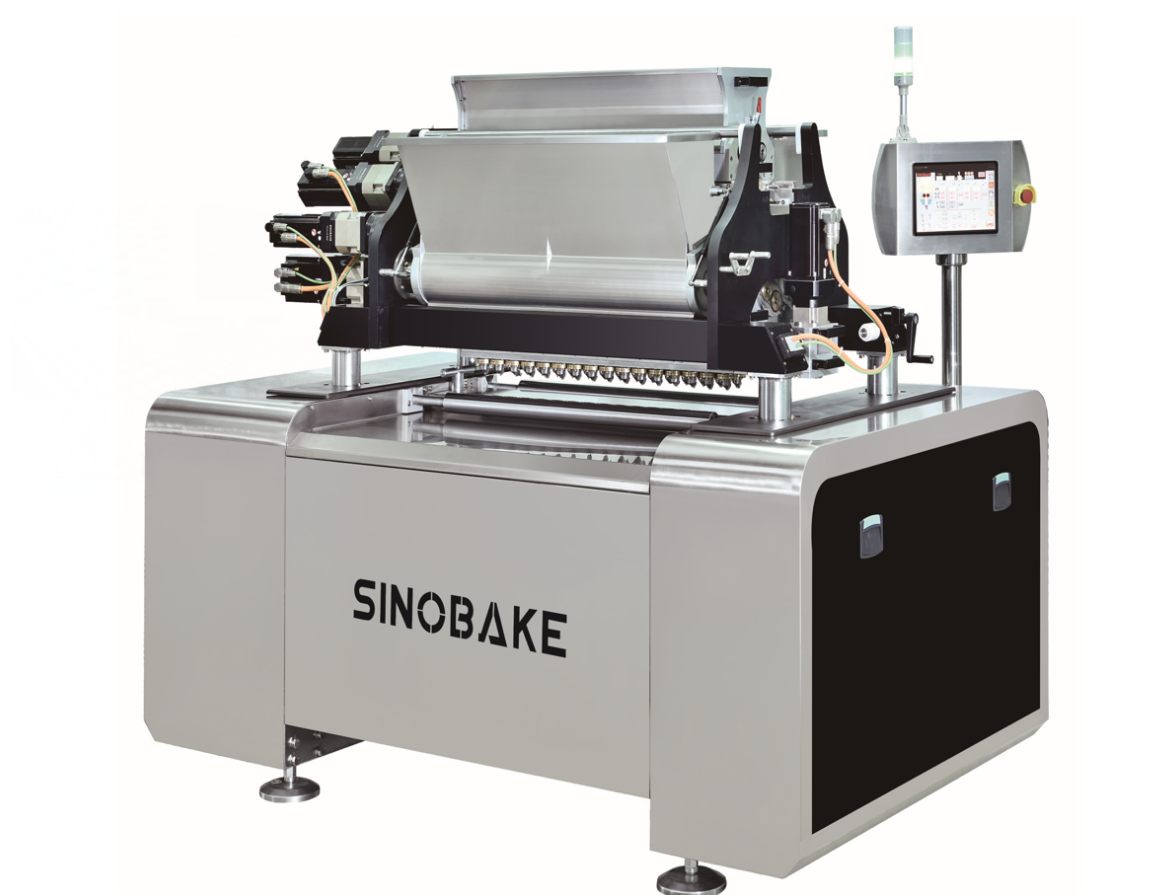 Farci/Center filled Cookie Forming Section
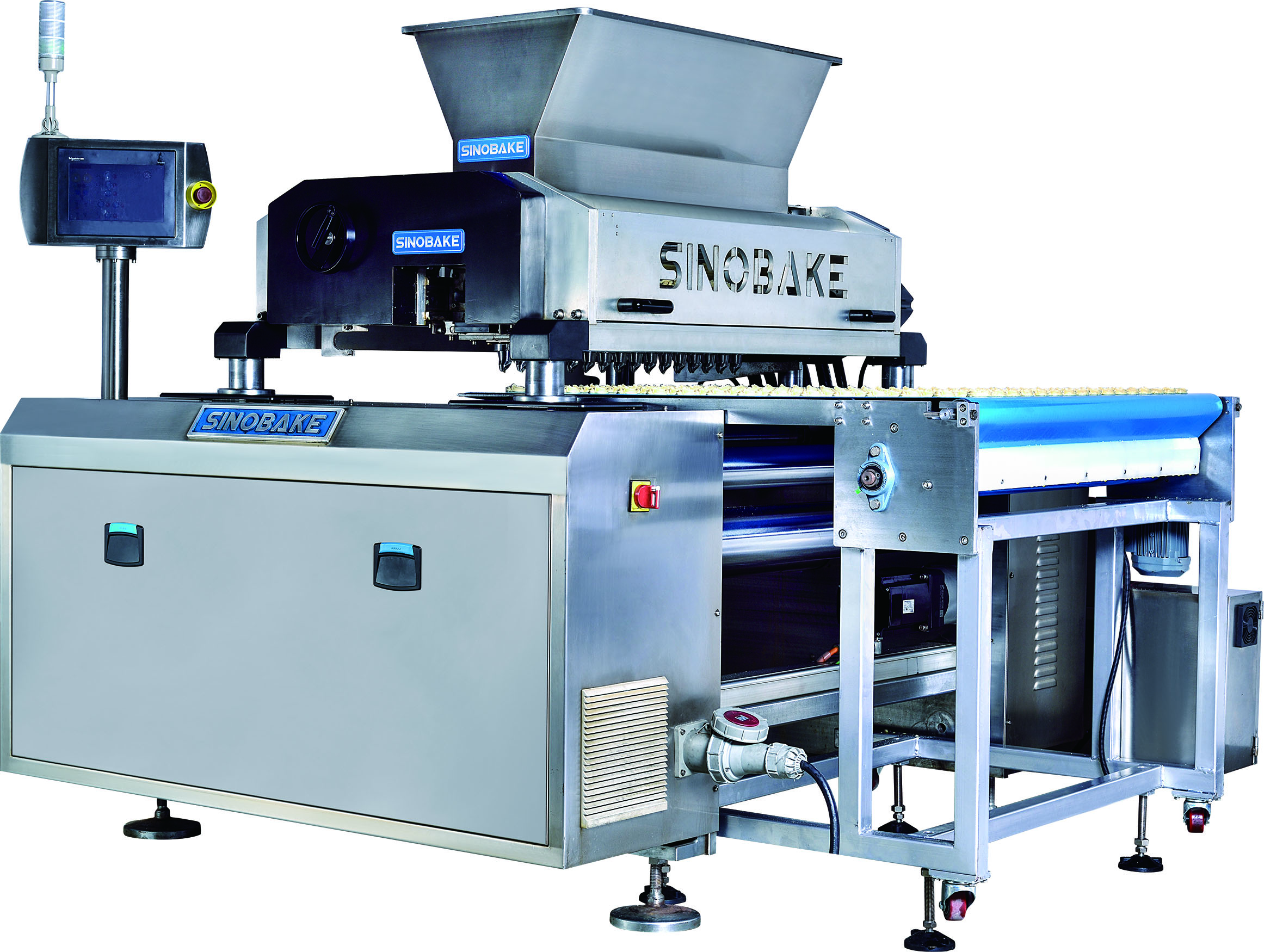 Multifunction Cookie Forming Section
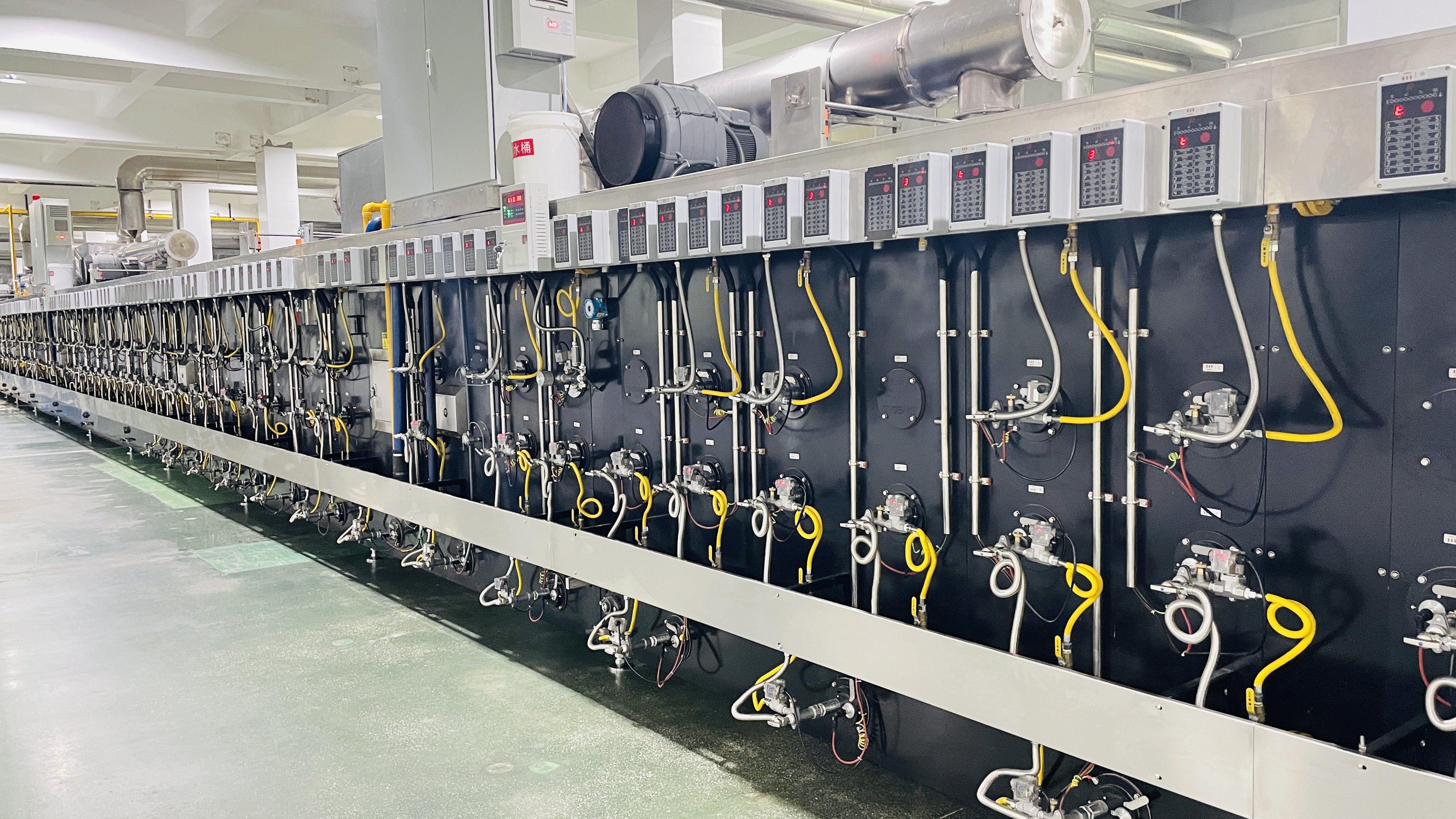 Directly Oven
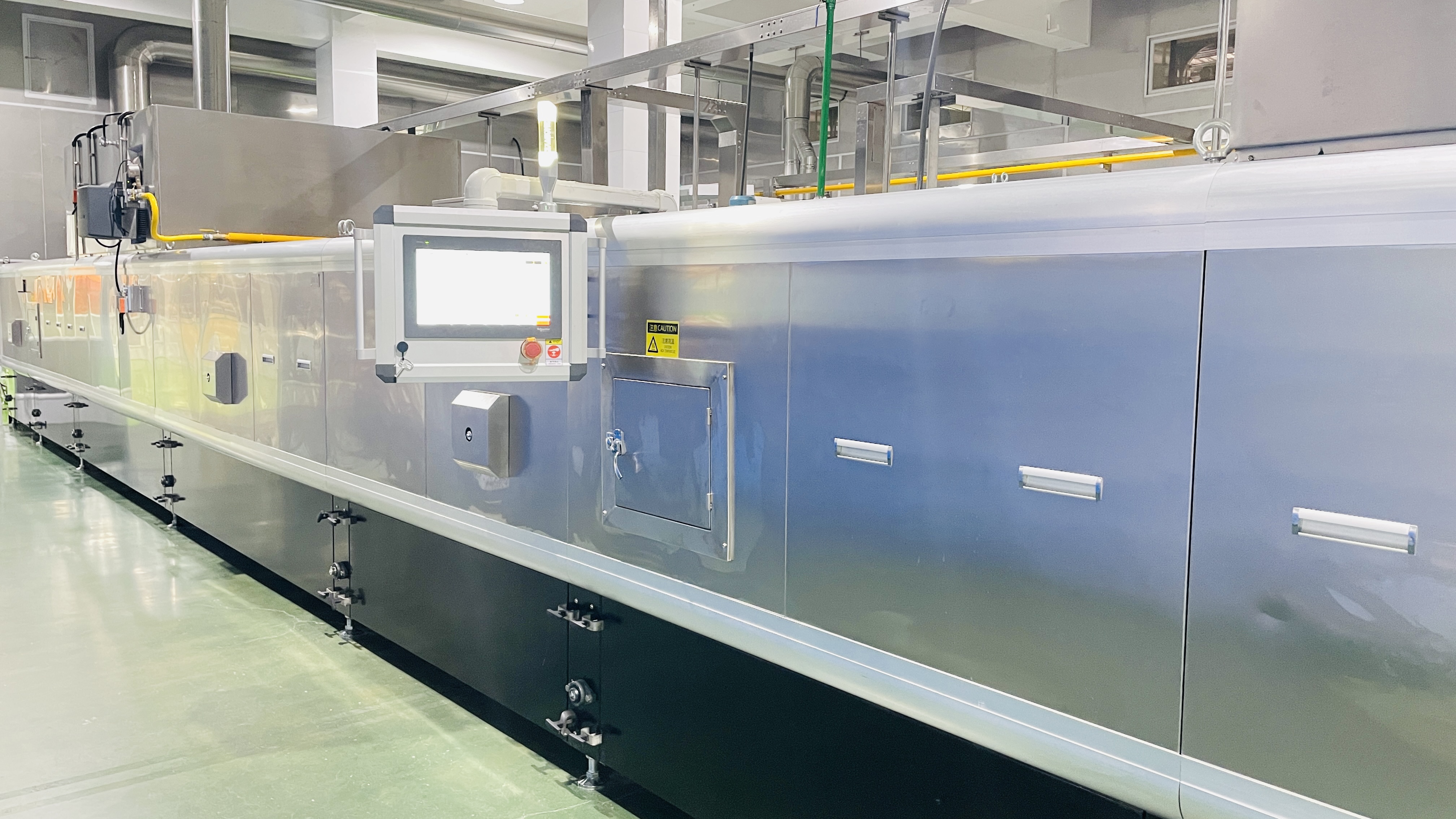 Indirectly Oven
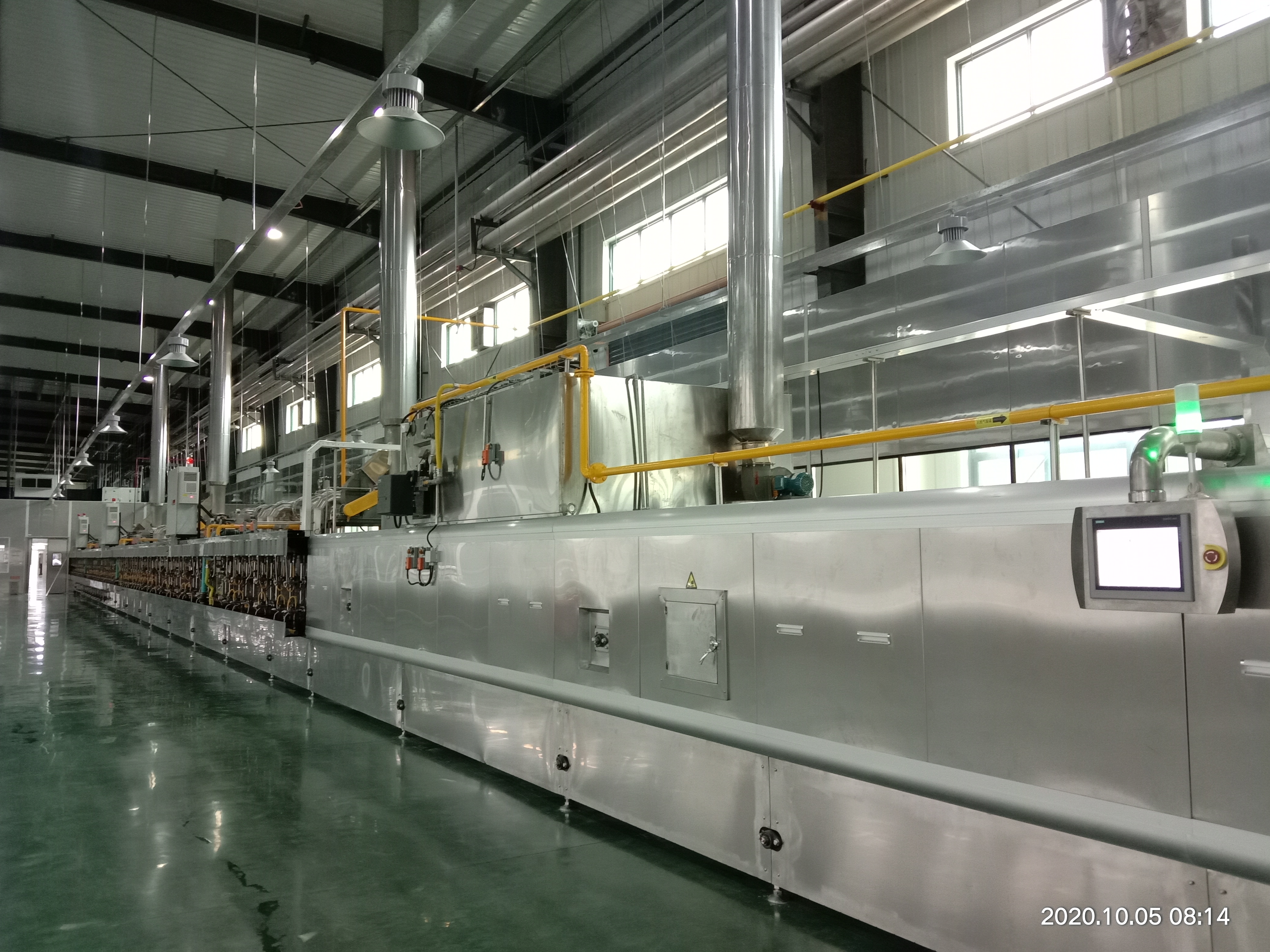 Hybrid Oven
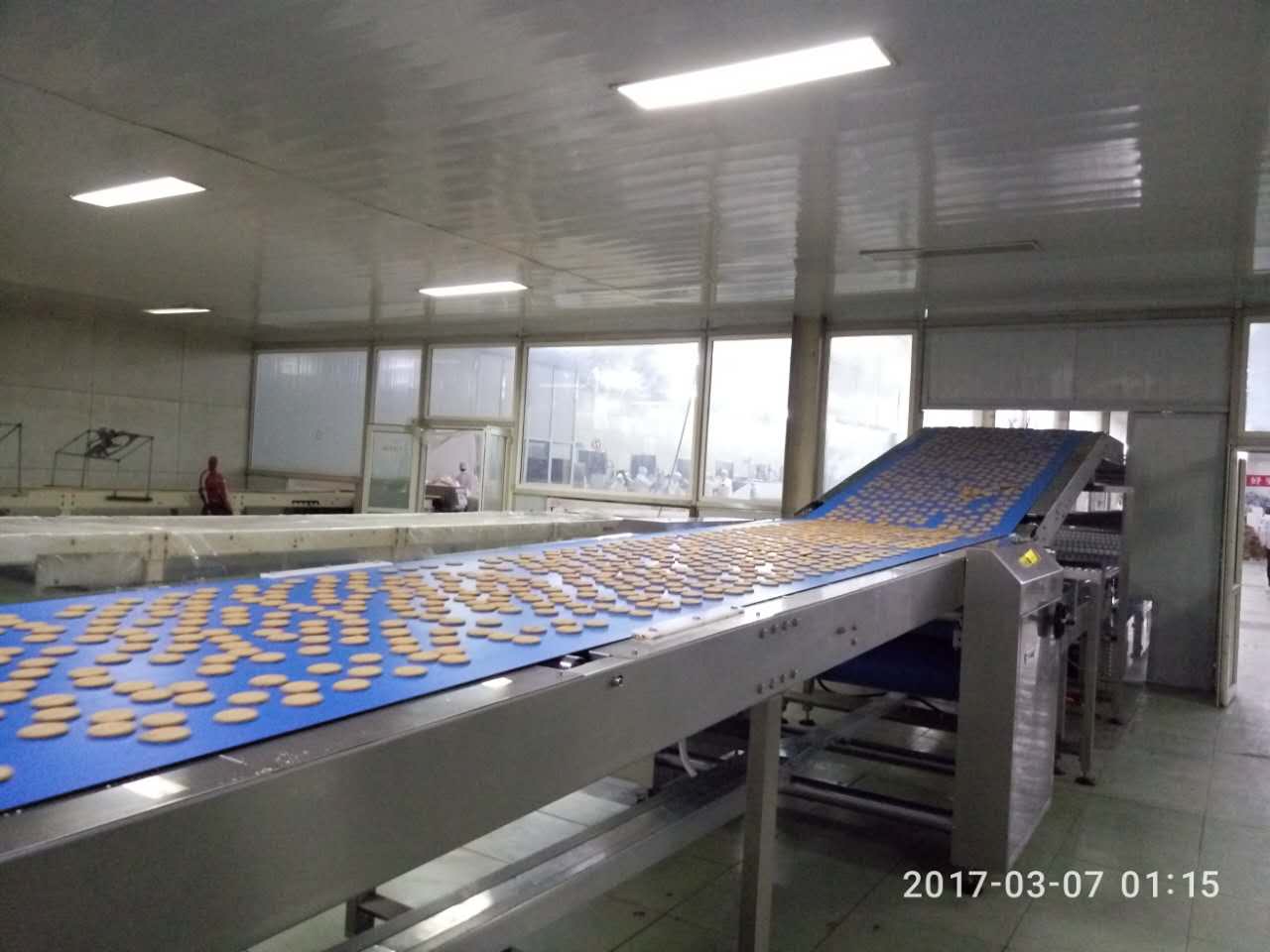 Biscuit Cooling section
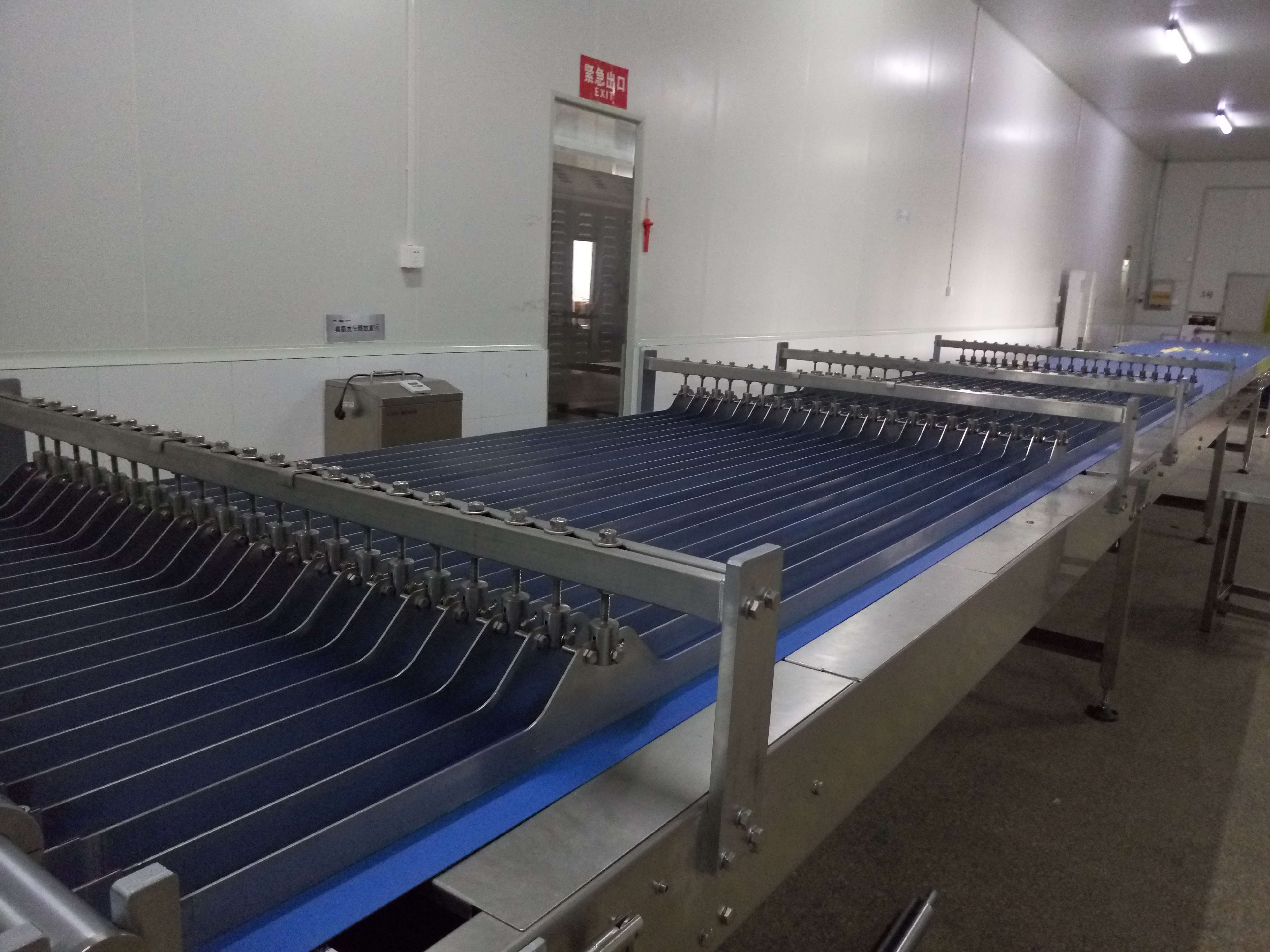 Biscuit Sorting section