English

Views: 0 Author: Site Editor Publish Time: 2026-09-29 Origin: Site


In the mass production of fully automatic biscuit production lines, starch and grain powders are core auxiliary materials that regulate dough structure, finished product porosity and texture. Different varieties differ significantly in gelatinization properties, gluten influence and forming performance, directly determining product forming yield and quality stability. As a professional solution provider in the industrial bakery production line sector, SINOBAKE holds that scientific selection and proportioning of starch-based auxiliary materials is the key to optimizing biscuit structure and improving category adaptability.
Modified starch features a low gelatinization temperature and strong aging resistance, which can significantly improve dough extensibility and reduce shrinkage deformation after baking. It is compatible with the high-speed continuous forming process of large capacity bakery processing equipment, serving as the core raw material for structural fine-tuning.
Corn starch contains no gluten protein, which can effectively reduce the overall gluten strength of dough and improve the crispness and porosity of finished products. It is the basic filler for low-gluten thin crisp biscuits, and works with industrial dough mixing systems to precisely regulate dough gluten strength.
Whole wheat flour and rye flour are rich in dietary fiber and grain aroma, which can enrich dough pore structure and create a whole grain mouthfeel. Meanwhile, they moderately reduce dough toughness, making them core raw materials for whole grain meal replacement biscuits.

Low-gluten thin crisp biscuits focus on gluten reduction and crispness enhancement, adopting a blend of 5%–12% corn starch and 1%–3% modified starch. This formula weakens the gluten network, improves the thin and crisp texture, and adapts to the high-speed rotary cutting forming process.
Whole grain meal replacement biscuits are added with 15%–30% whole wheat flour and rye flour, paired with about 2% modified starch to improve formability. This solves the problem of easy breakage of whole grain dough, and balances health attributes with structural stability.
Short layered biscuits are added with 2%–4% modified starch to optimize dough extensibility, improve oil film continuity in the laminating process, create a clear layered structure and enhance the crumbly texture of finished products.

Reasonable starch proportion can reduce problems such as dough sticking to rollers, shrinkage and sheet breakage, lower commissioning loss of fully automatic biscuit production lines, and improve the yield of mass-produced products.
Through combinations of different starches and grain powders, the internal pore structure of biscuits can be precisely regulated to achieve different textures such as crisp, crumbly and whole grain, meeting diverse product positioning.
Stable gelatinization properties can match the uniform heating curve of energy saving industrial tunnel ovens for bakery, reduce color and texture differences between batches, and ensure stable quality of mass production on industrial bakery production lines.
As a professional solution provider of industrial bakery production lines, SINOBAKE recommends that factories optimize the proportion of starch and grain powders based on product structure requirements, category positioning and equipment characteristics, so as to precisely regulate biscuit structure from the auxiliary material end and ensure mass production quality and efficiency.
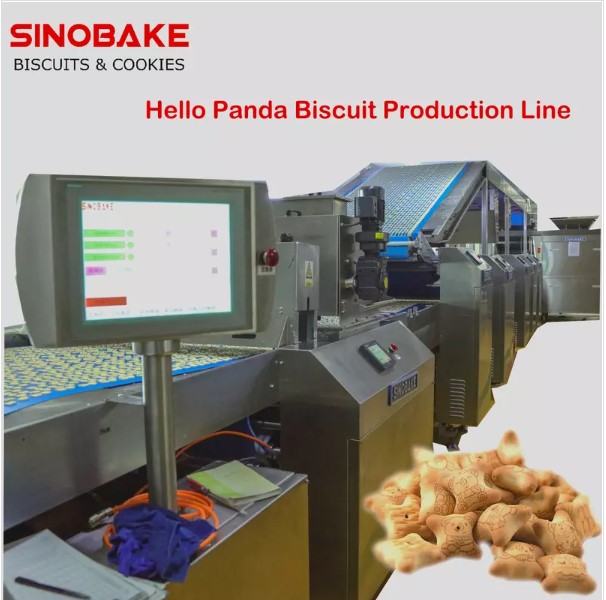
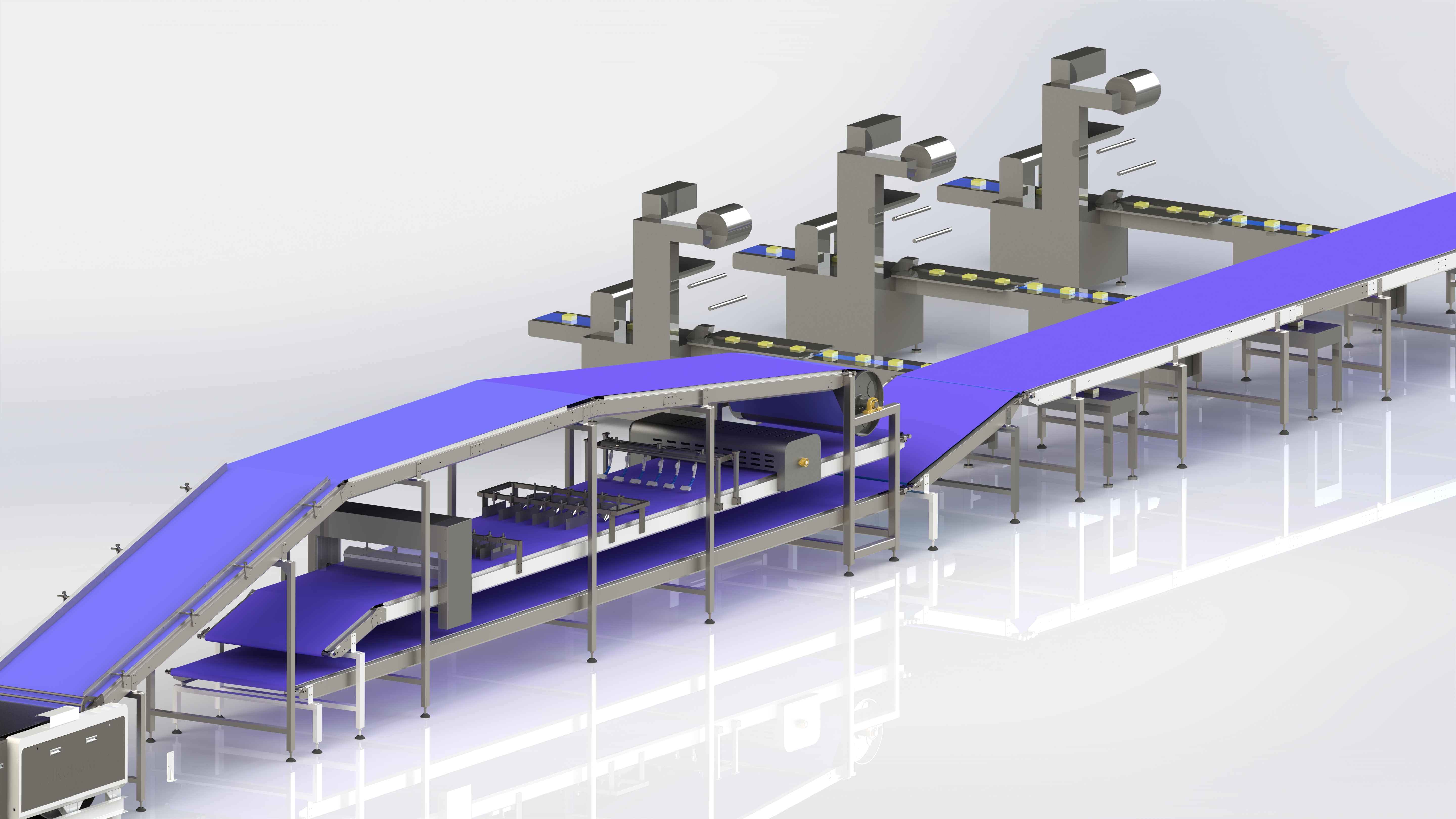
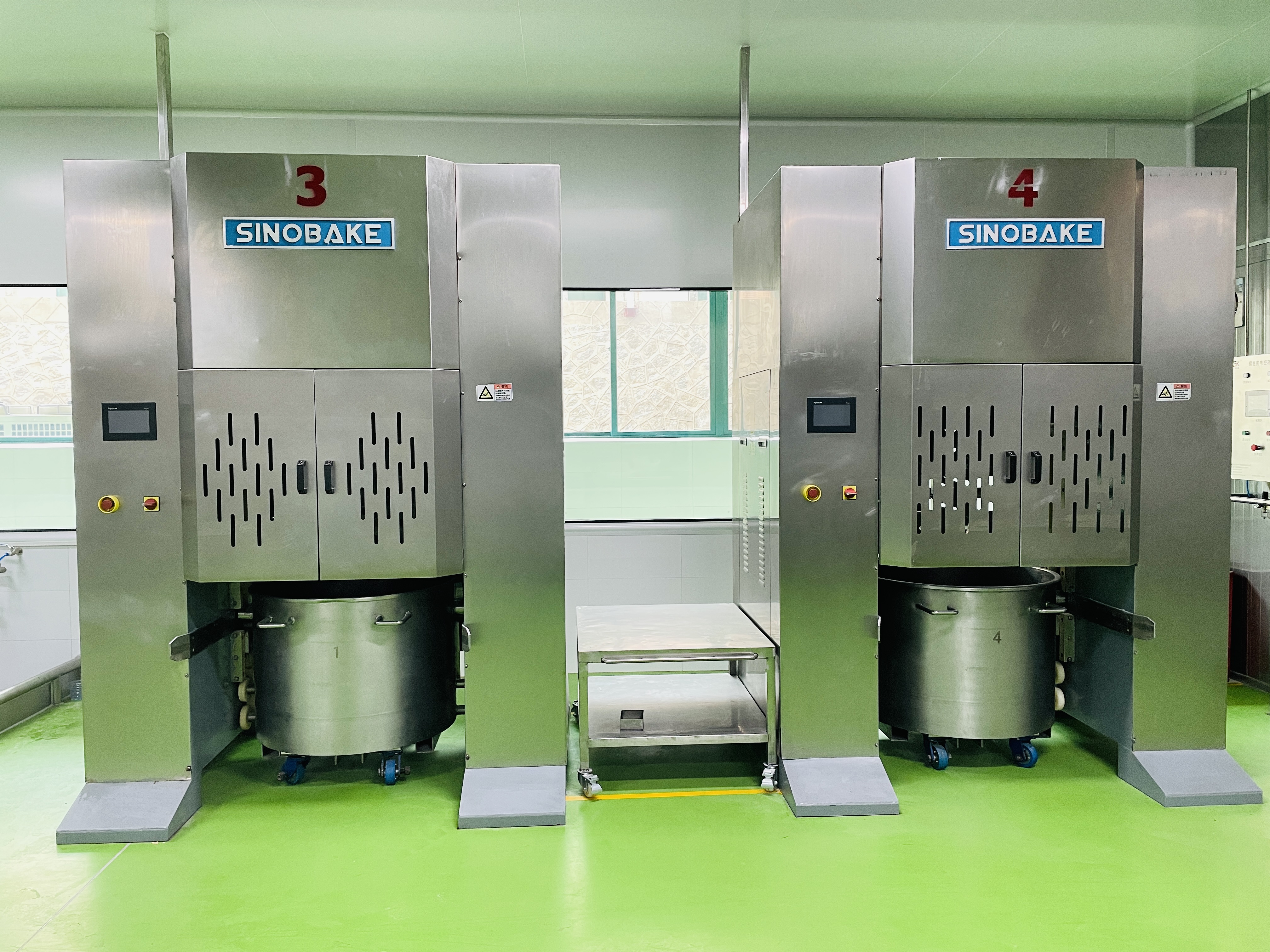 Cookie Dough, Cream Mixer
 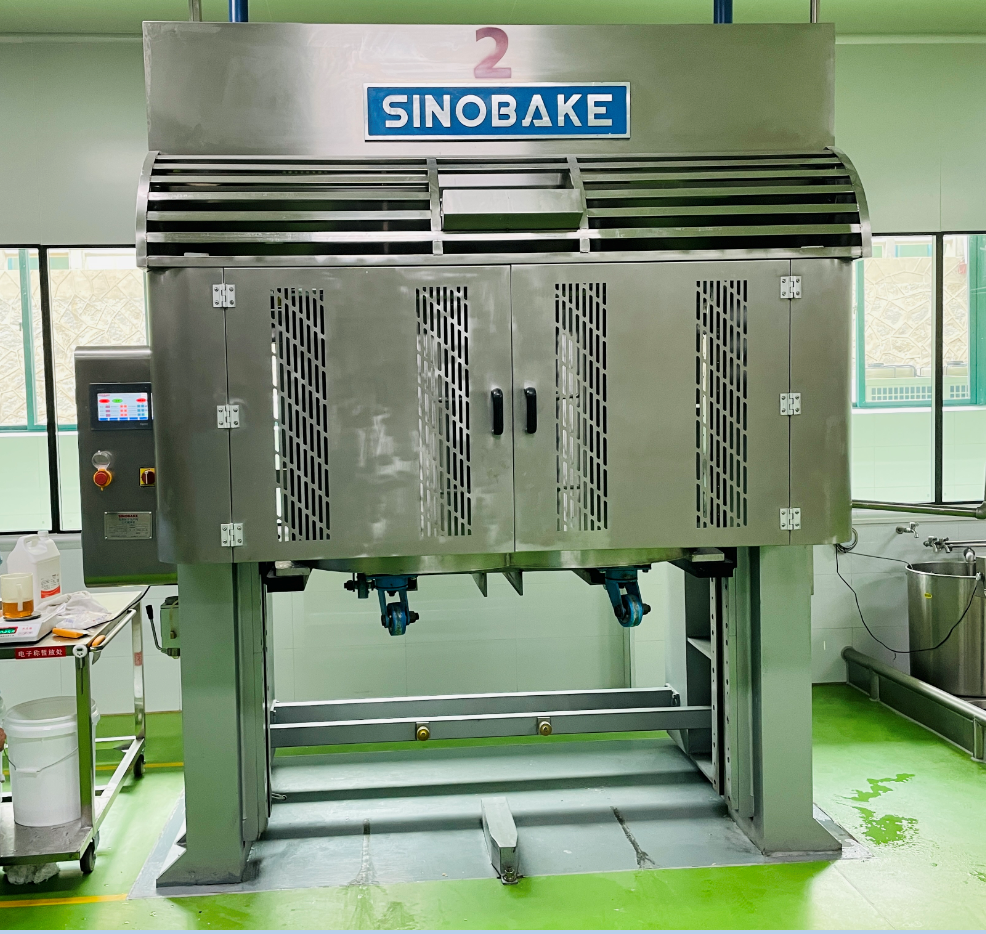 Vertical Dough Mixer
 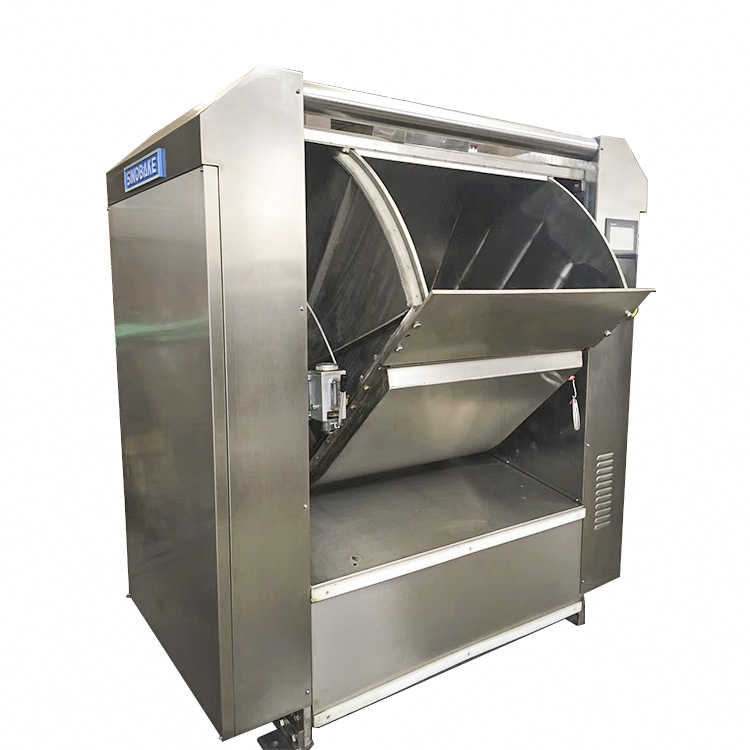 Horizontal Dough Mixer
 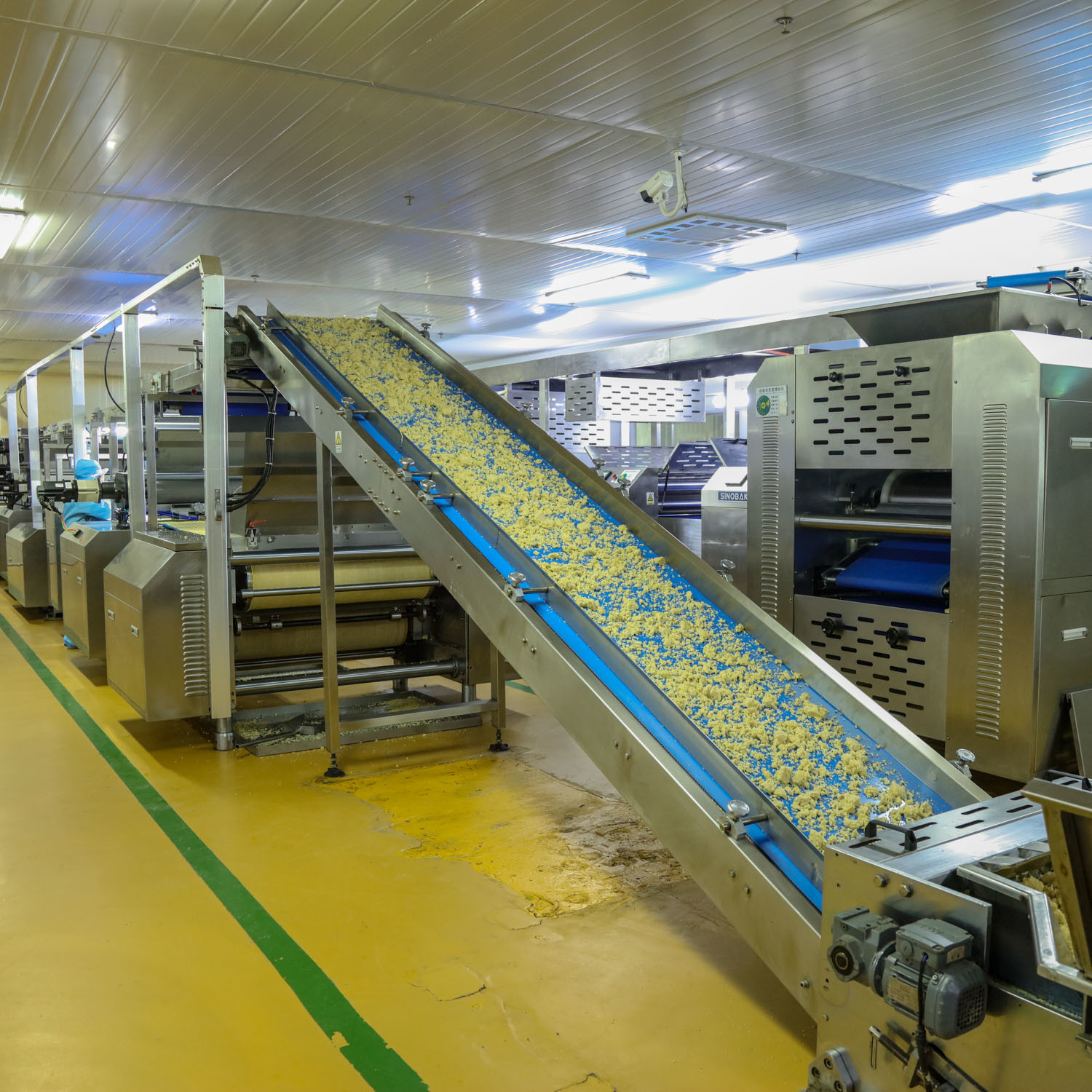 Auto Dough Feeding System
 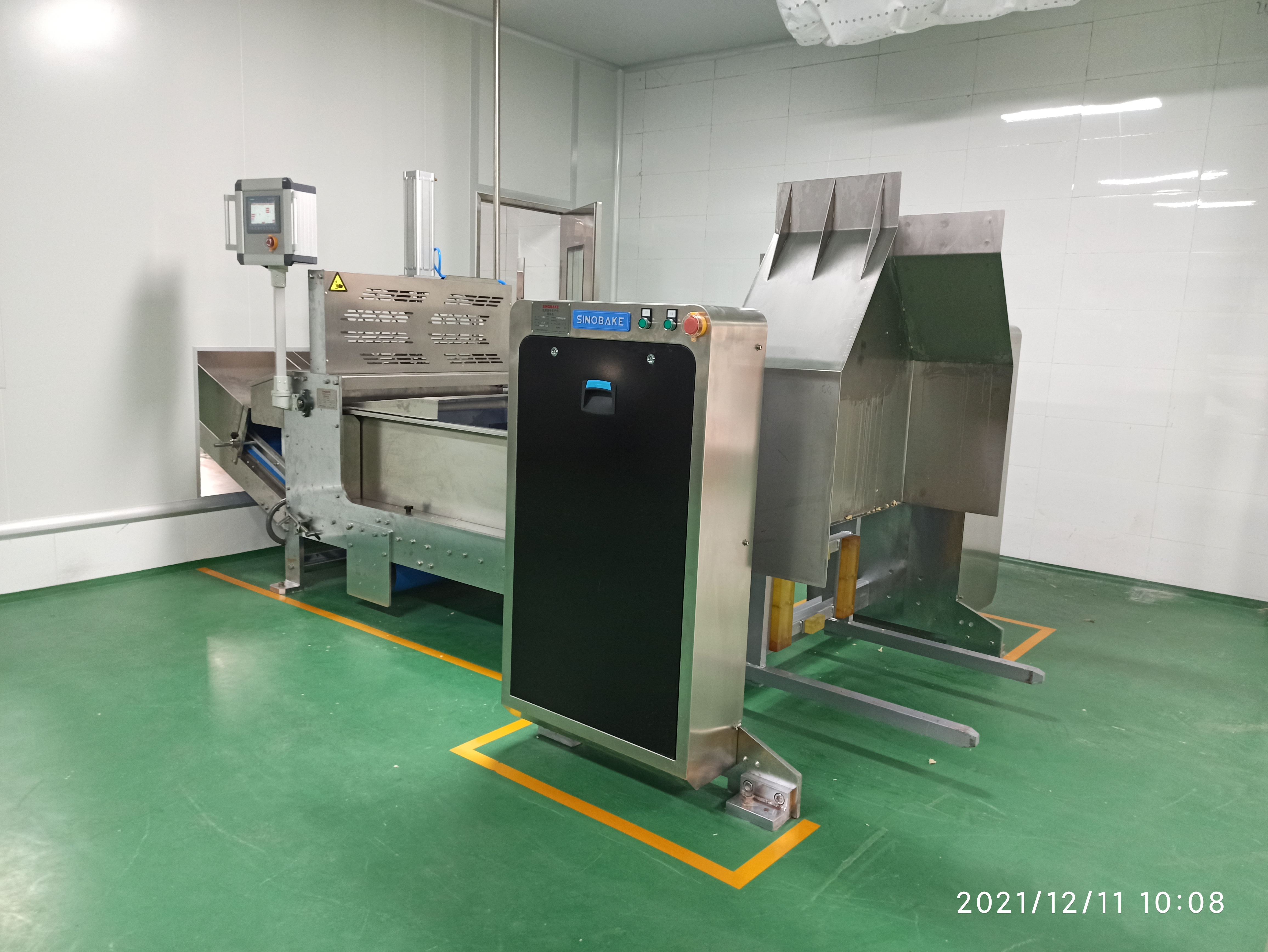 Tilting Machine
 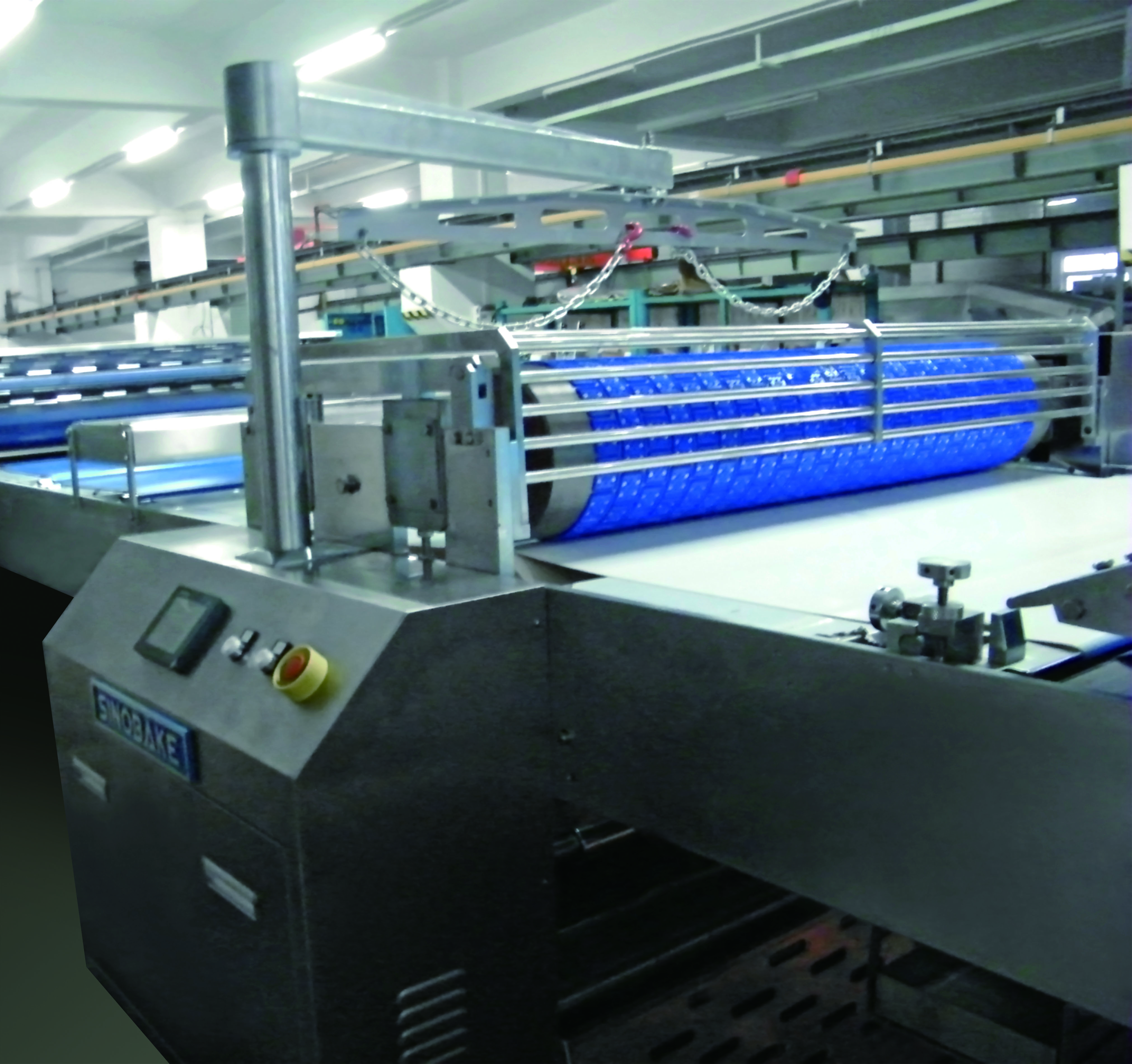 Hard Biscuit Forming Section
 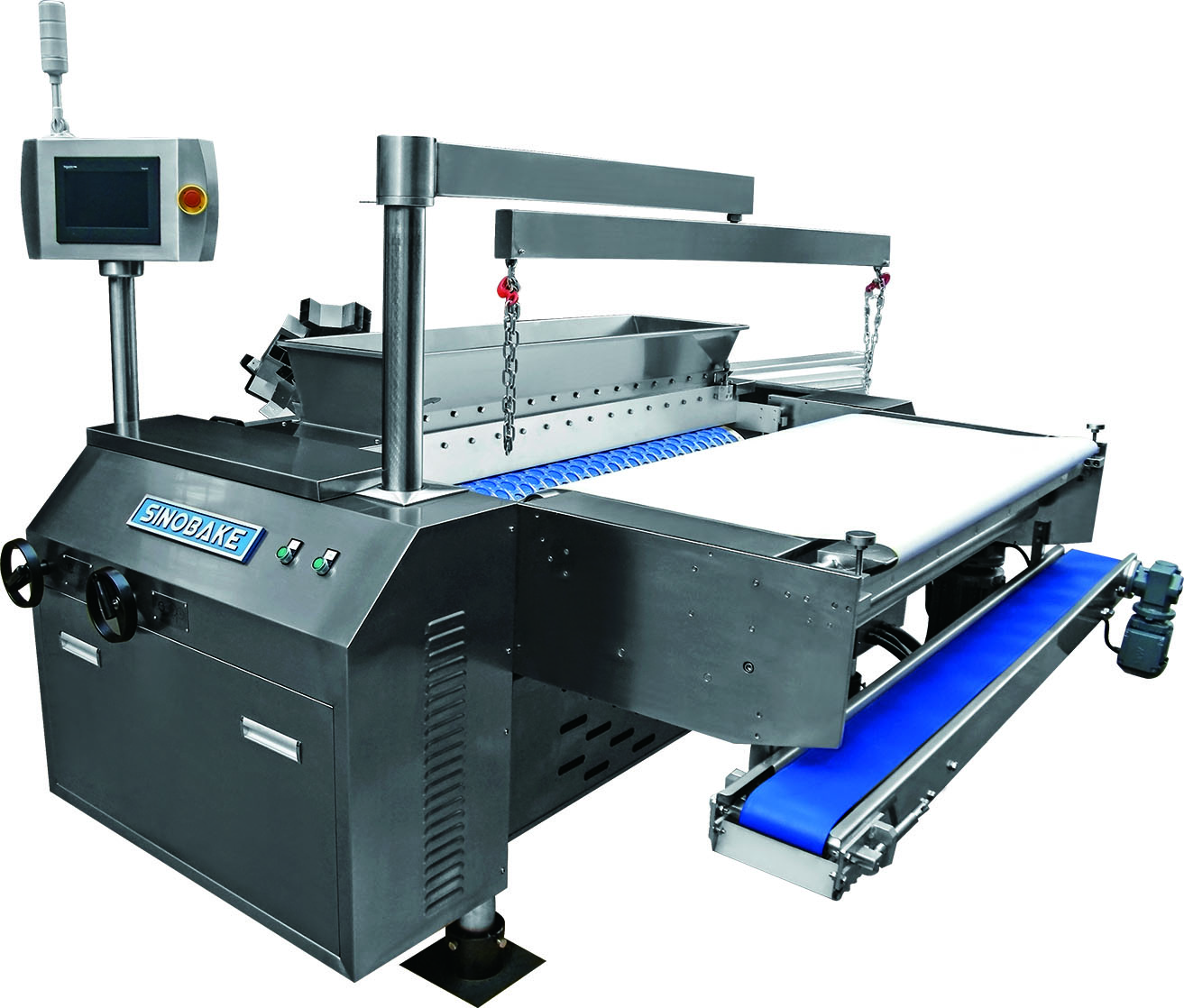 Soft Biscuit Forming Section
 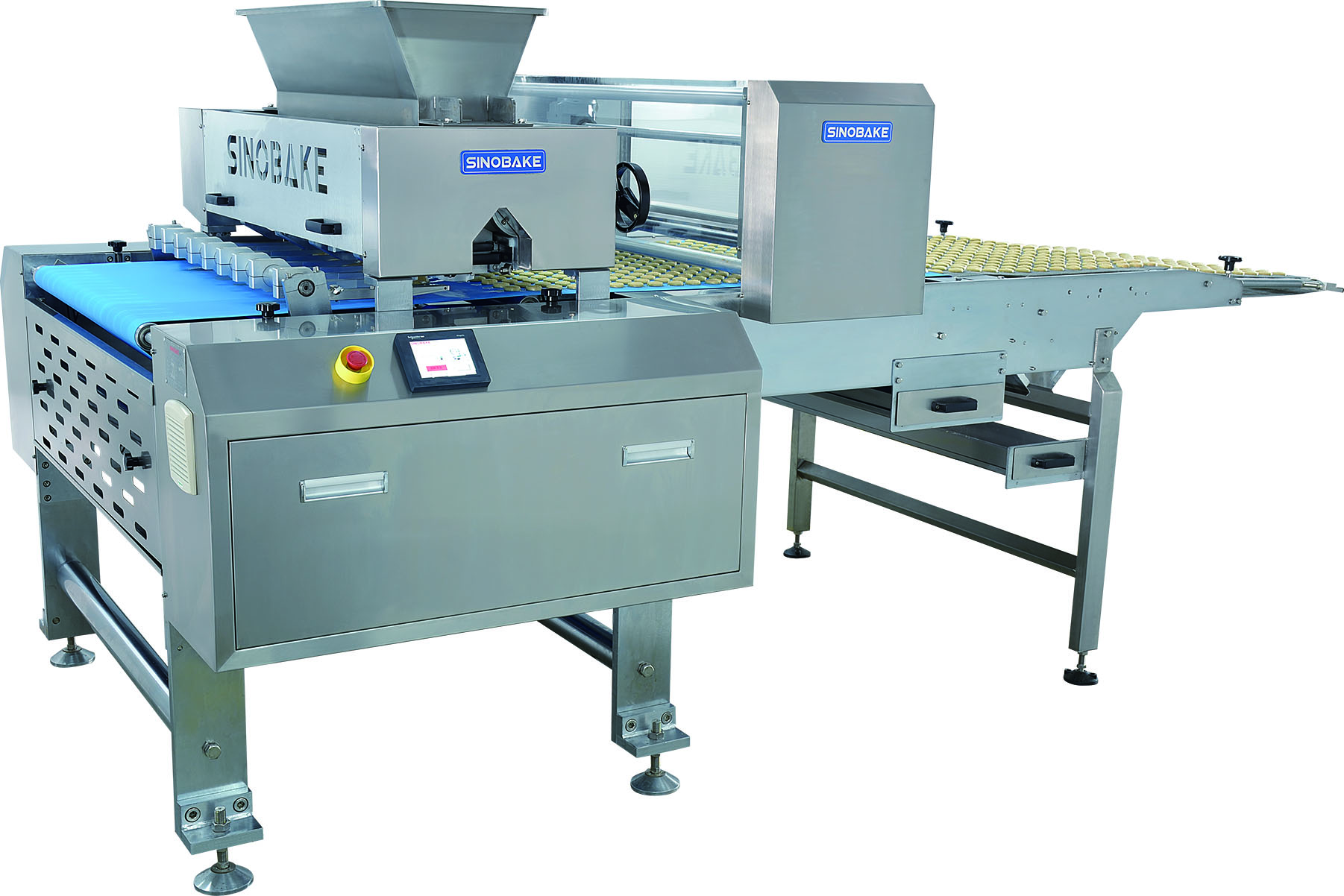 Cutting Cookie Forming Section
 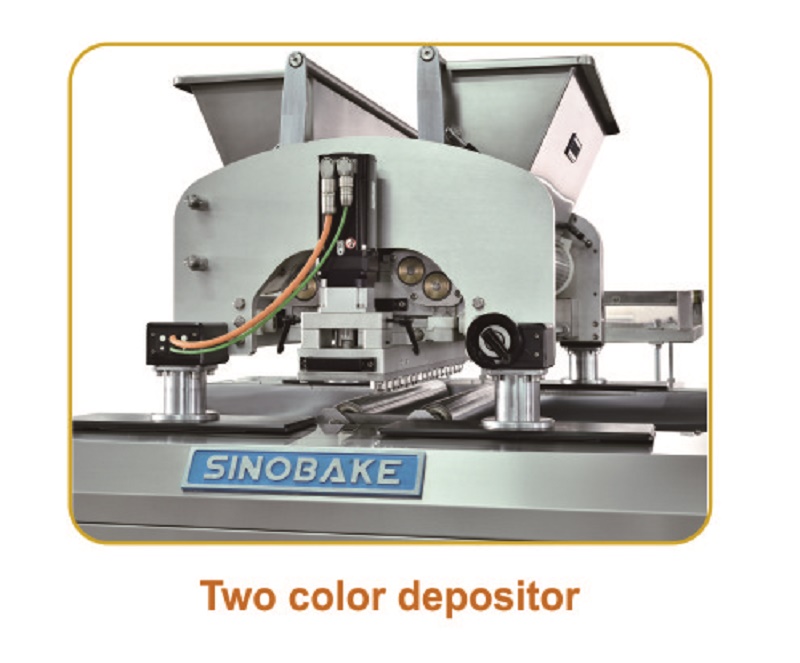 Depositor Forming Section
 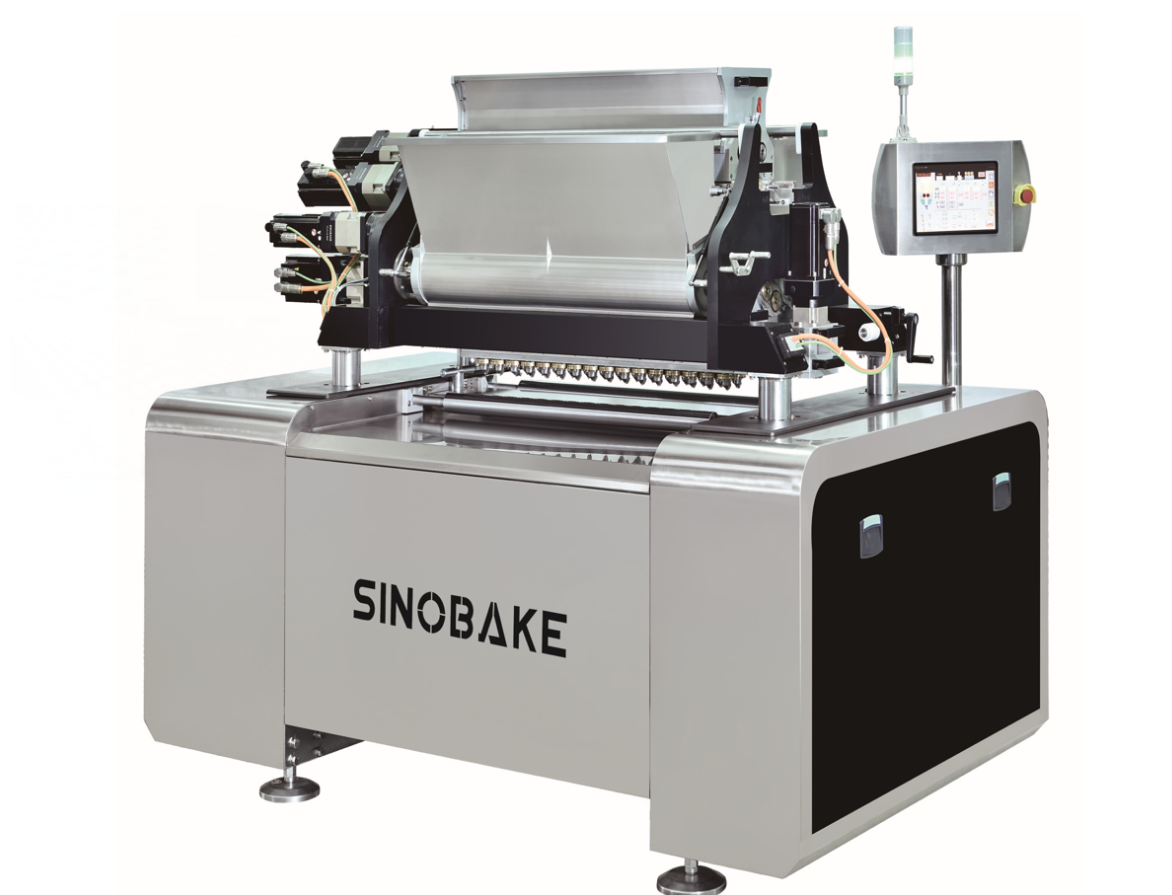 Farci/Center filled Cookie Forming Section
  Multifunction Cookie Forming Section
  Directly Oven
  Indirectly Oven
  Hybrid Oven
 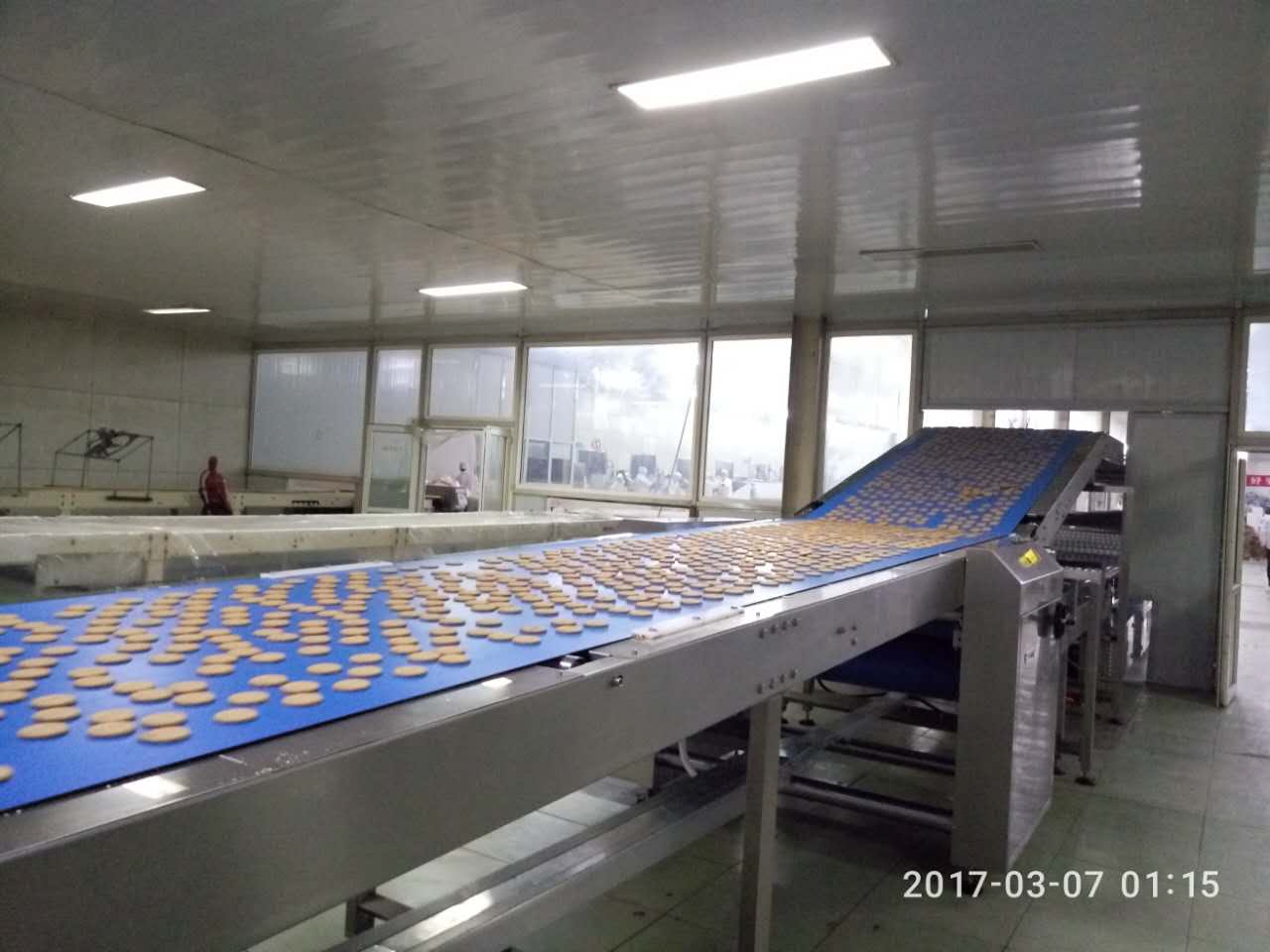 Biscuit Cooling section
 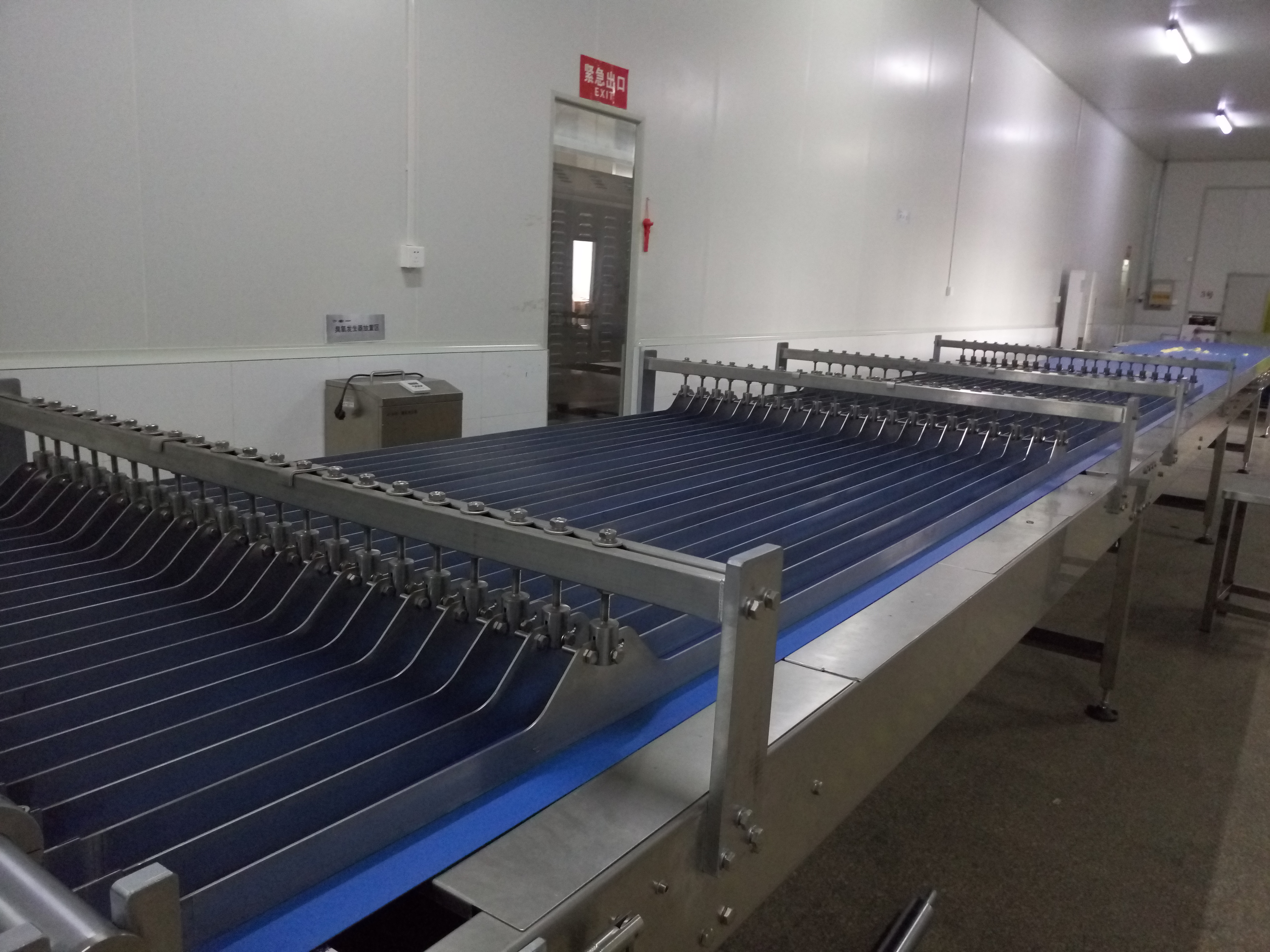 Biscuit Sorting section