English

Views: 0 Author: Site Editor Publish Time: 2026-09-22 Origin: Site


In the mass production of fully automatic biscuit production lines, sugars do far more than deliver basic sweetness — they also regulate biscuit browning, crisp texture, moisture retention and shelf life. Different sugars differ significantly in hygroscopicity, reducing activity and caramelization properties, directly impacting finished product quality and mass production stability. As a professional solution provider in the industrial bakery production line sector, SINOBAKE points out that scientifically matched sugar ingredient combinations are a core measure to optimize product texture and resolve common mass production issues.
Sucrose features high purity, clean sweetness and stable caramelization reaction. It imparts a golden brown color and crisp texture to biscuits, making it the mainstream sugar source for conventional biscuits. It is compatible with the continuous rolling and baking processes of large capacity bakery processing equipment, delivering strong batch-to-batch consistency.
Rich in reducing sugars, malt syrup offers strong moisture retention, delays starch retrogradation, and modulates the intensity of the Maillard reaction to avoid localized scorching. It is mostly used in soft biscuit products, and works with industrial dough mixing systems to improve dough extensibility.
Sugar alcohols have low sweetness and moderate hygroscopicity, and do not participate in intense Maillard reactions. They meet low-sugar health demands while improving sticky mouthfeel issues in biscuits, and require matching with the low-temperature baking curve of energy saving industrial tunnel ovens for bakery.

Crisp biscuits focus on a dry, brittle texture, with sucrose as the primary sugar source at a dosage of 15%–22%. Combined with shortening, it creates clear layering and a crisp mouthfeel, and is compatible with high-speed rotary cutting forming processes.
Soft biscuits require both a tender texture and formability. A blend of sucrose and malt syrup is adopted, with reducing sugars accounting for 20%–30% of total sugars. This enhances moisture retention, prevents finished products from drying out and hardening, and improves melt-in-the-mouth properties.
Low-sugar biscuits use a blend of maltitol and sorbitol to replace part of the sucrose, reducing sweetness by 30%–50% while retaining moderate moisture retention. This solves the problems of dry, crumbly texture common in low-sugar products.

Excessively high reducing sugar content tends to cause uneven deep browning, while excessively low content results in pale color. Precise control of sugar ratio optimizes browning uniformity in energy saving industrial tunnel ovens for bakery and reduces defective products due to color variation.
Sucrose has low hygroscopicity and is prone to softening from moisture absorption. Malt syrup and sugar alcohols can balance water activity, delay moisture absorption and softening of biscuits, and extend shelf life — a key selection point for production in hot and humid regions.
The solubility and melting point of sugars directly affect dough viscosity and formability. Improper sugar selection easily leads to roller sticking and forming deformation. A reasonable sugar blend reduces process commissioning for fully automatic biscuit production lines and improves production efficiency.
As a professional solution provider of industrial bakery production lines, SINOBAKE recommends that factories optimize their sugar formulas based on product positioning, regional climate and equipment characteristics. This addresses issues such as uneven browning, moisture absorption and sticky texture from the raw material end, and ensures stable quality of mass-produced biscuits.
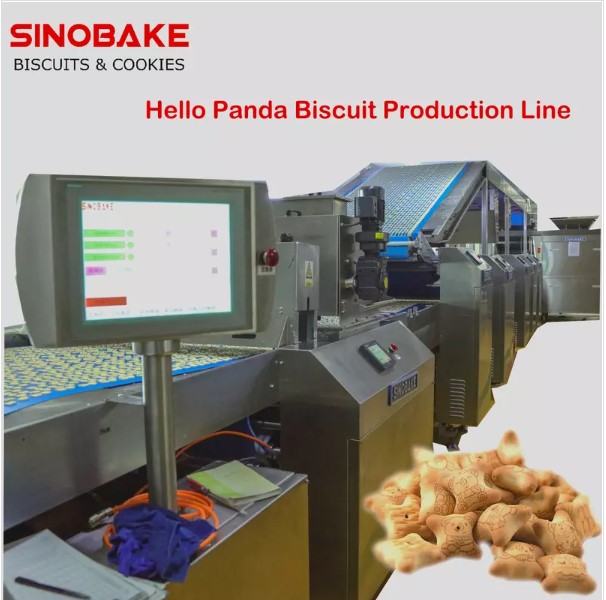
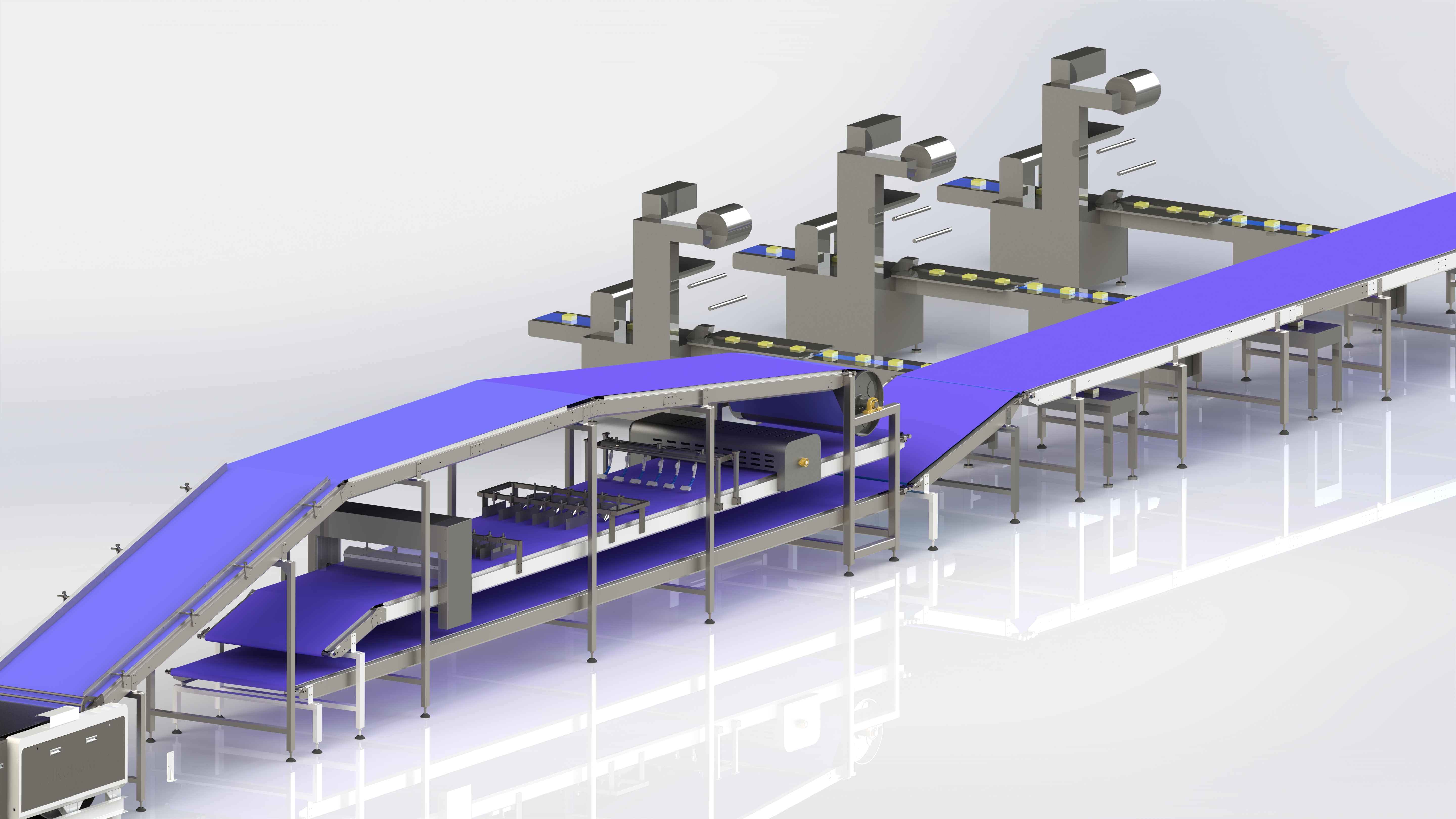
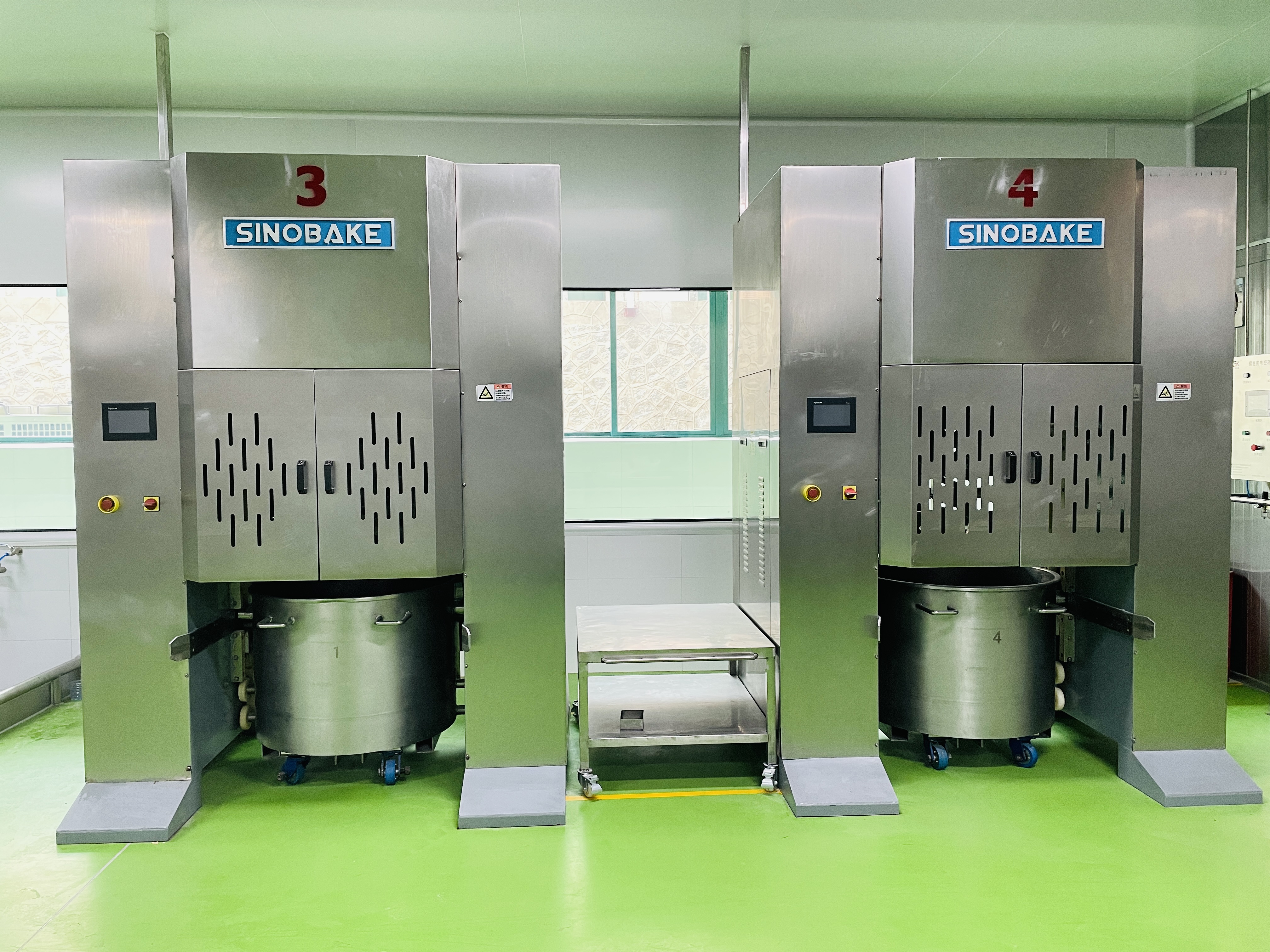 Cookie Dough, Cream Mixer
 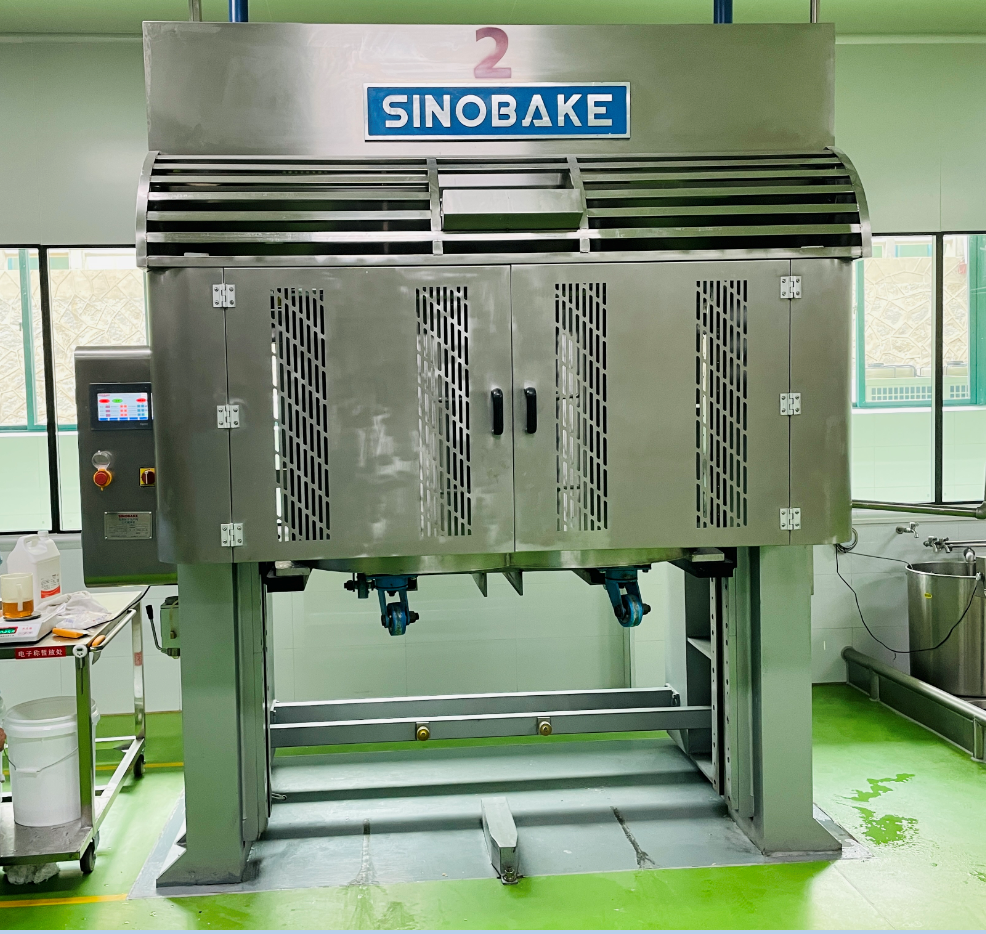 Vertical Dough Mixer
 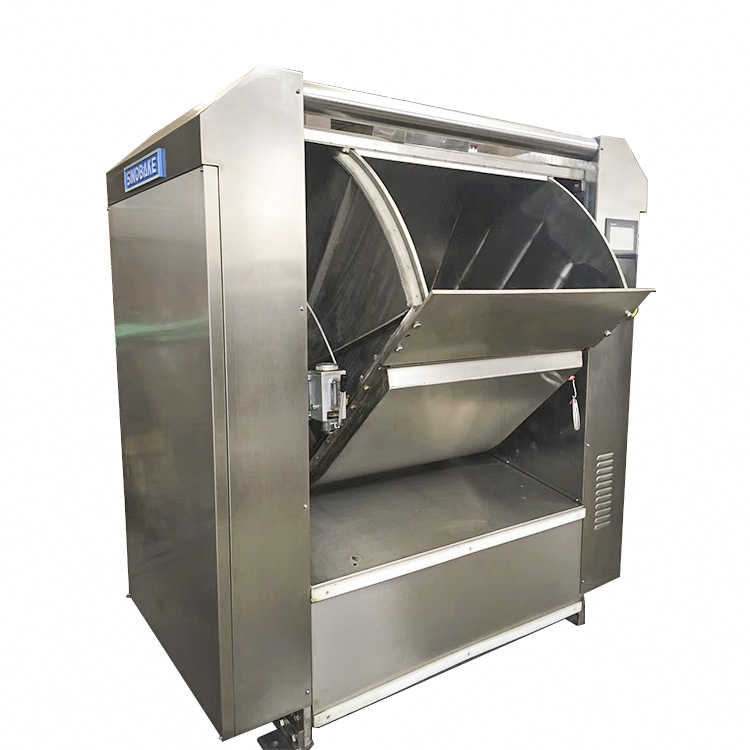 Horizontal Dough Mixer
 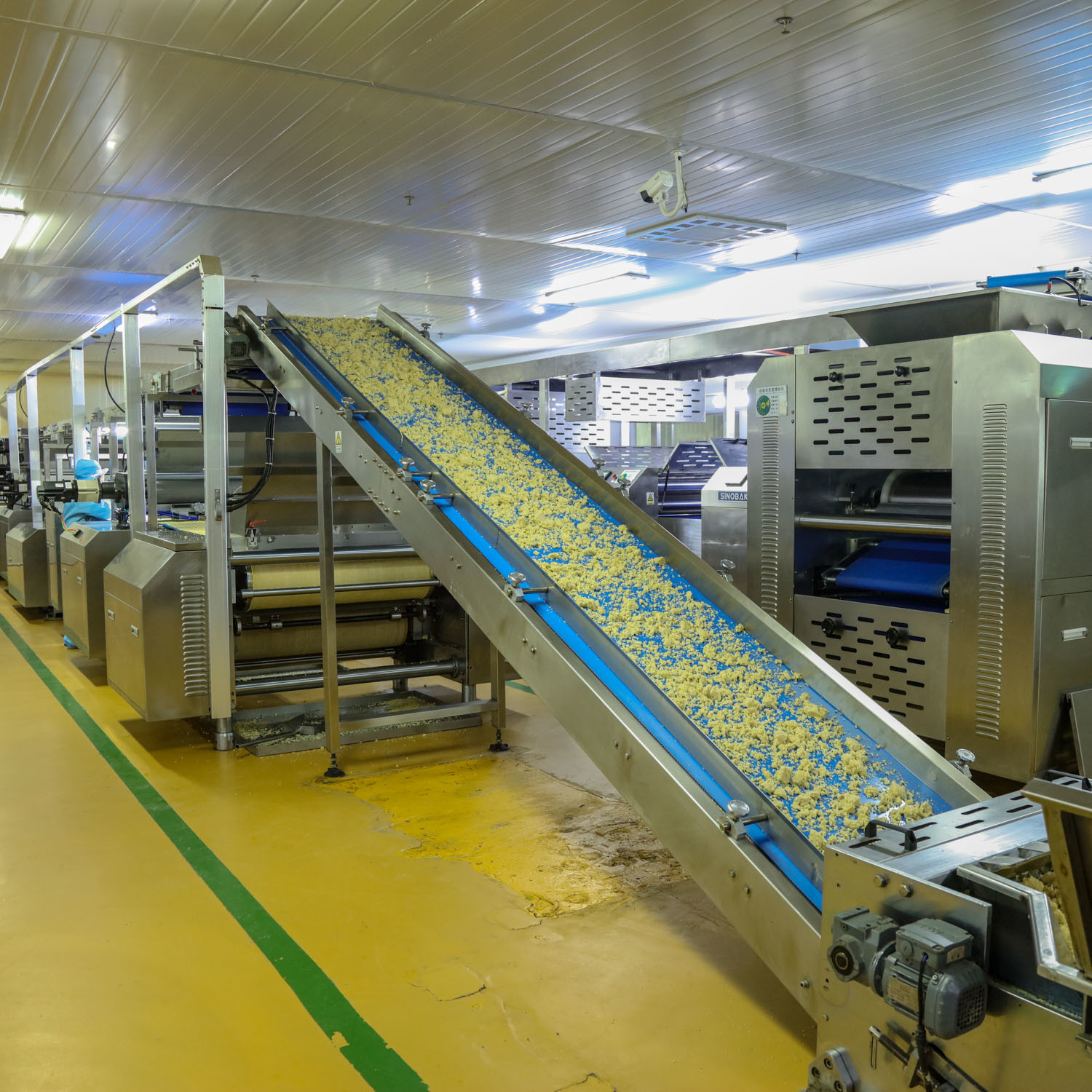 Auto Dough Feeding System
 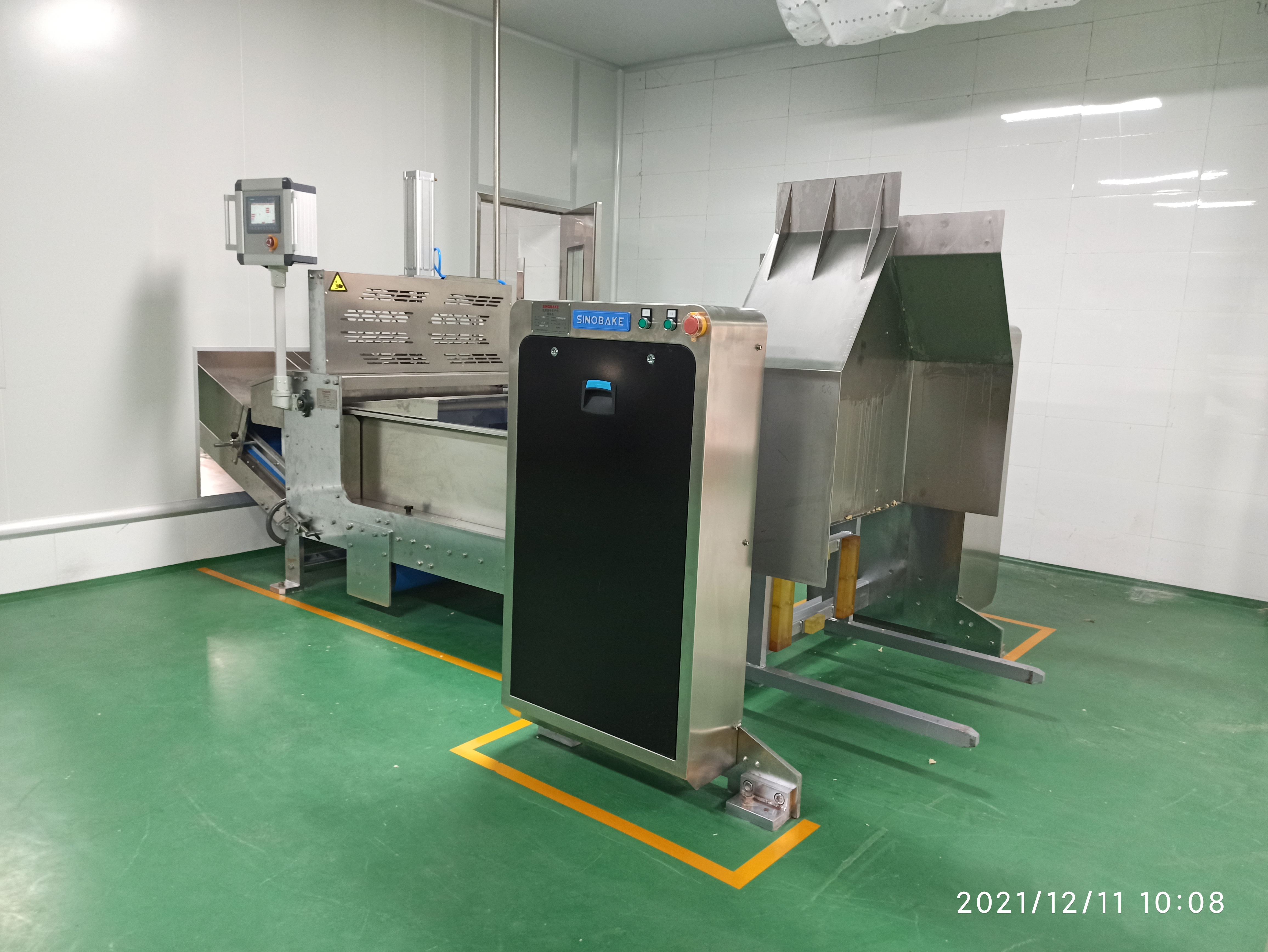 Tilting Machine
 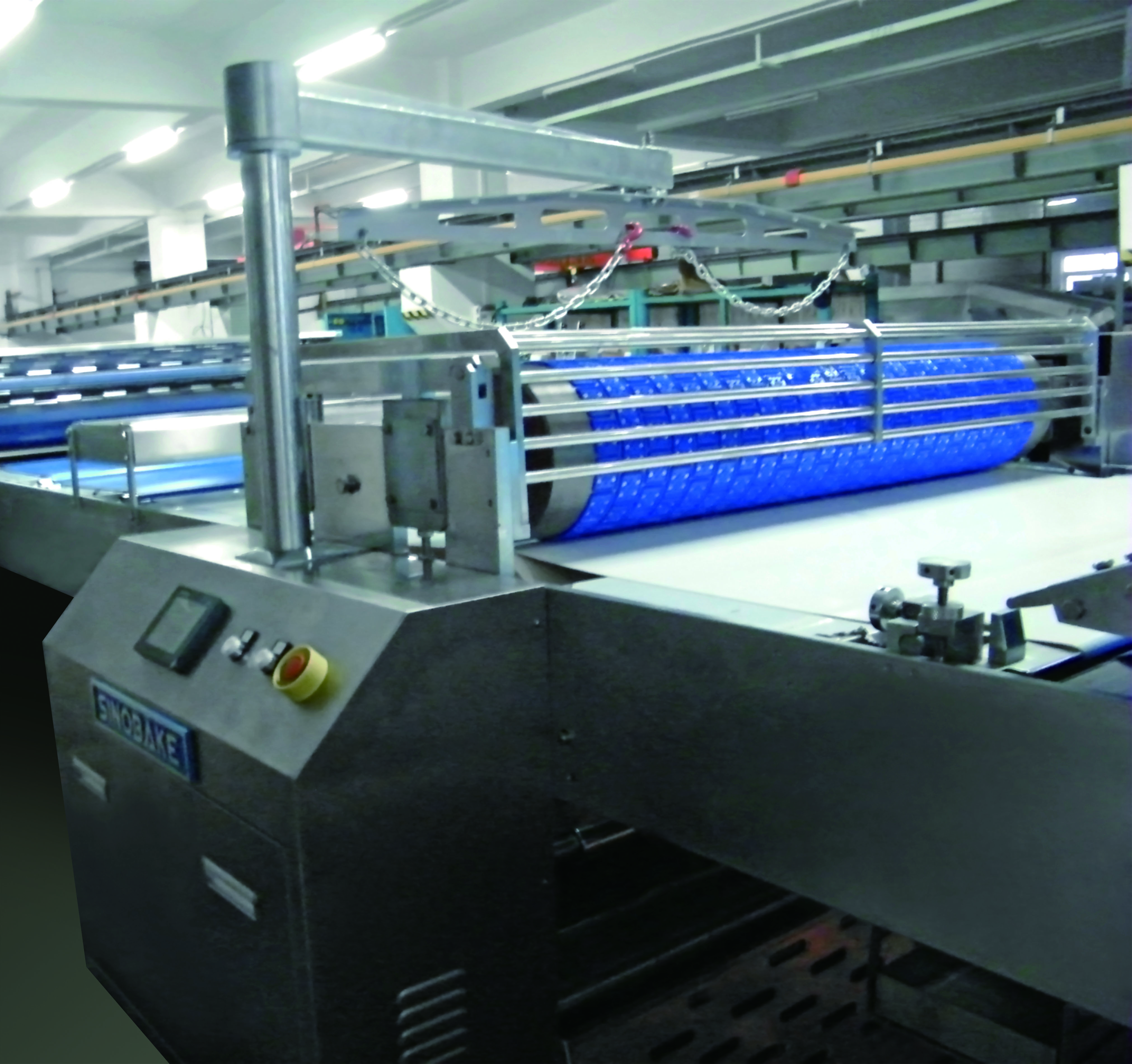 Hard Biscuit Forming Section
  Soft Biscuit Forming Section
  Cutting Cookie Forming Section
  Depositor Forming Section
  Farci/Center filled Cookie Forming Section
 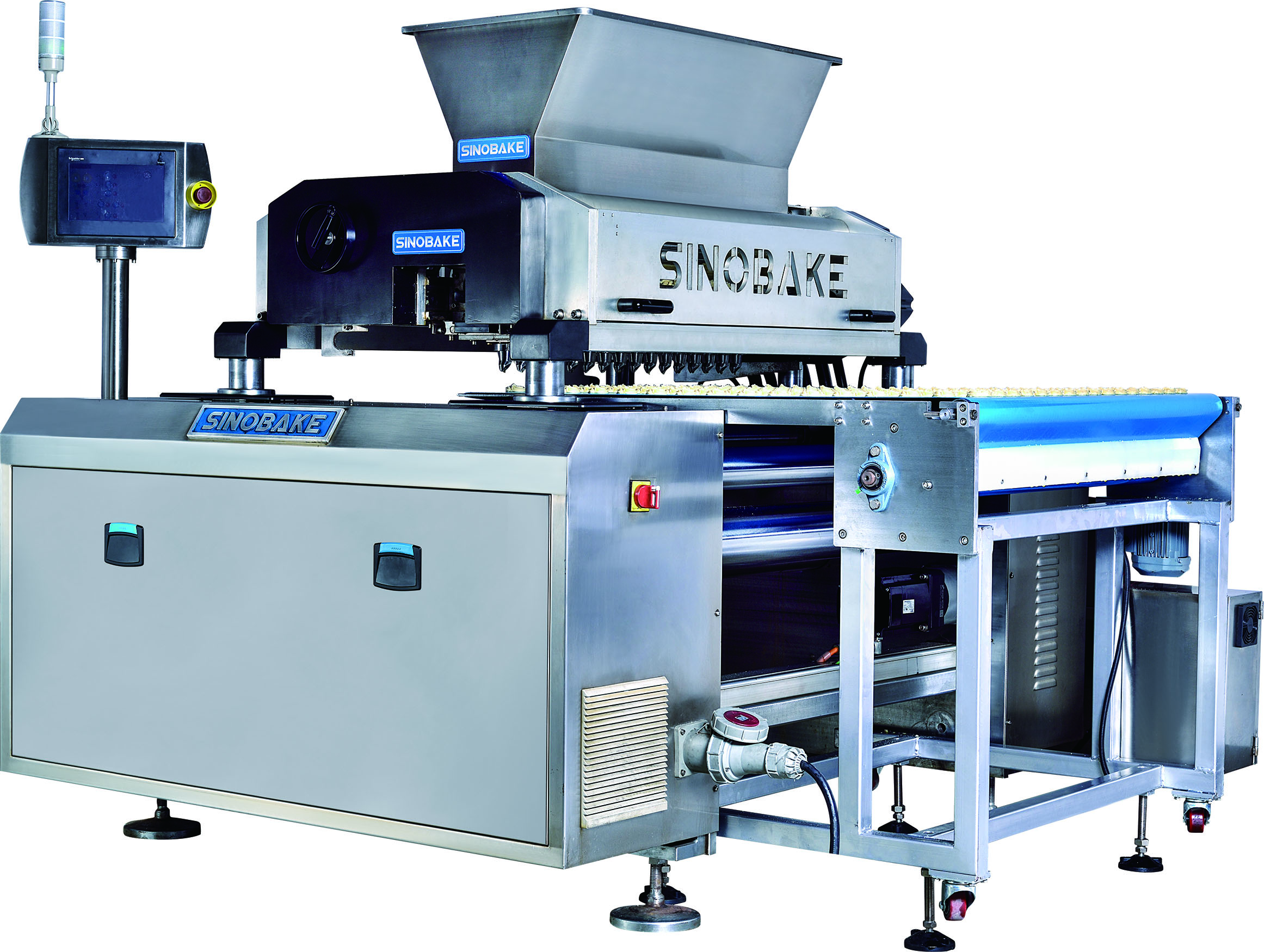 Multifunction Cookie Forming Section
 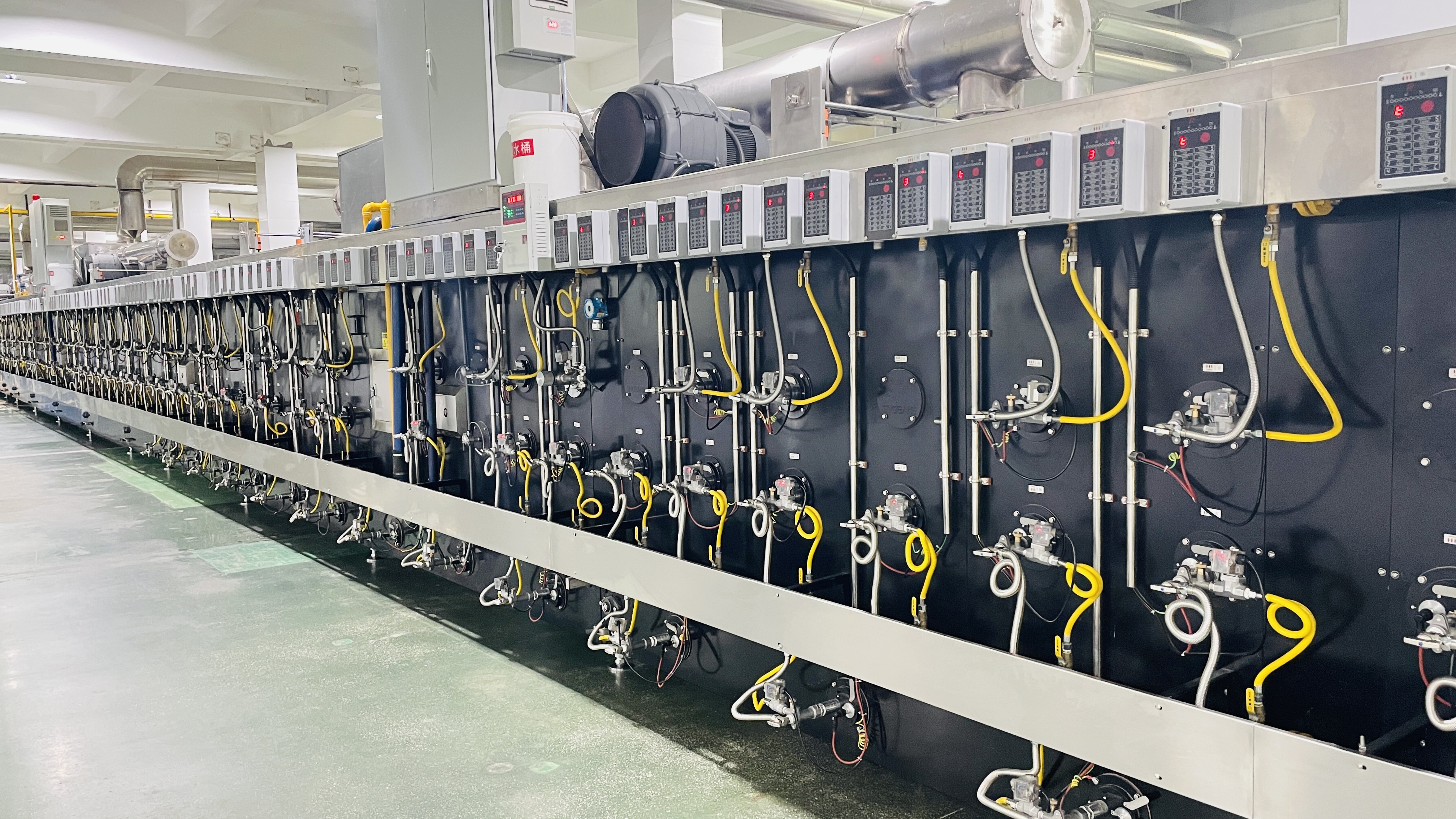 Directly Oven
 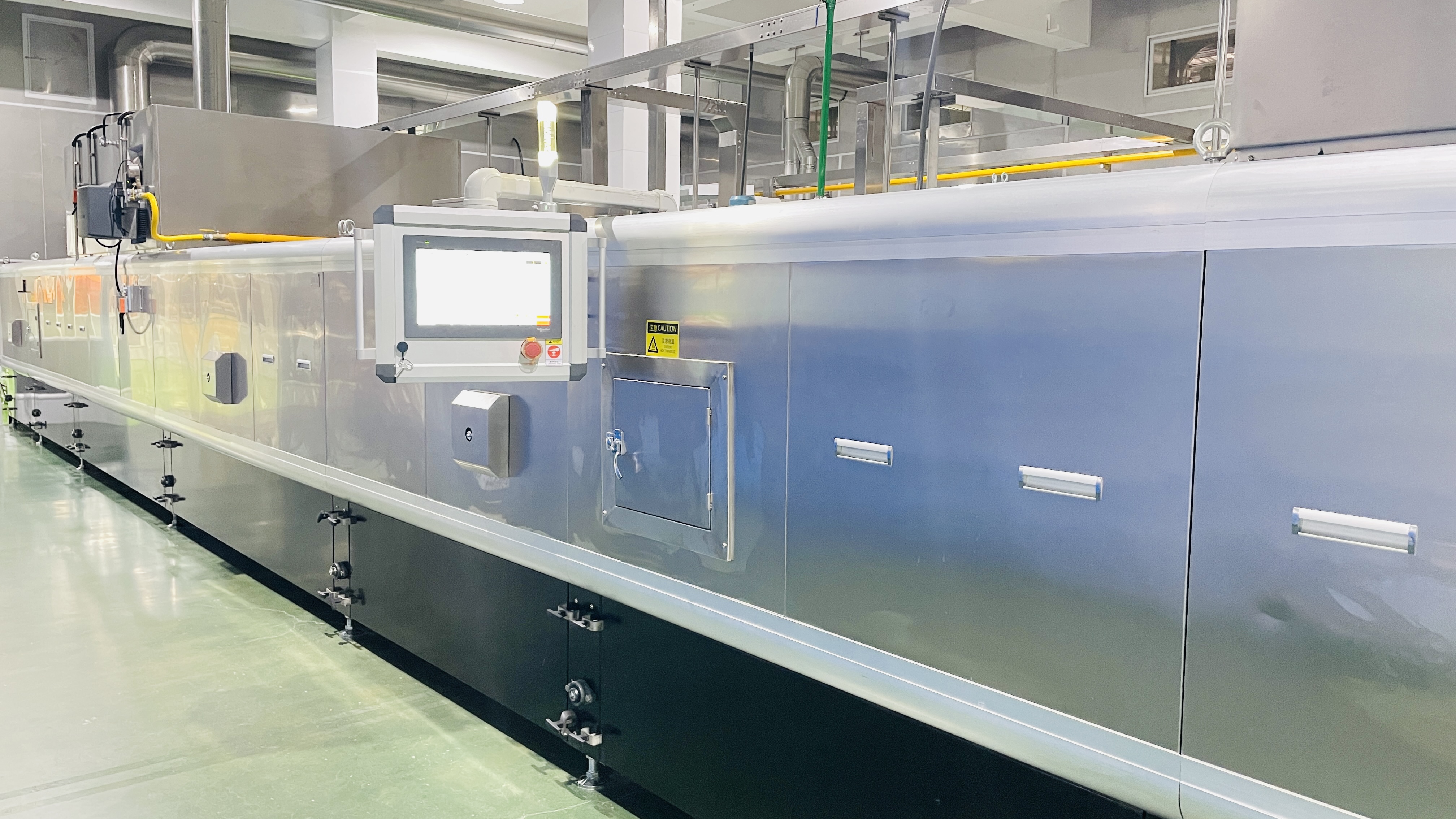 Indirectly Oven
 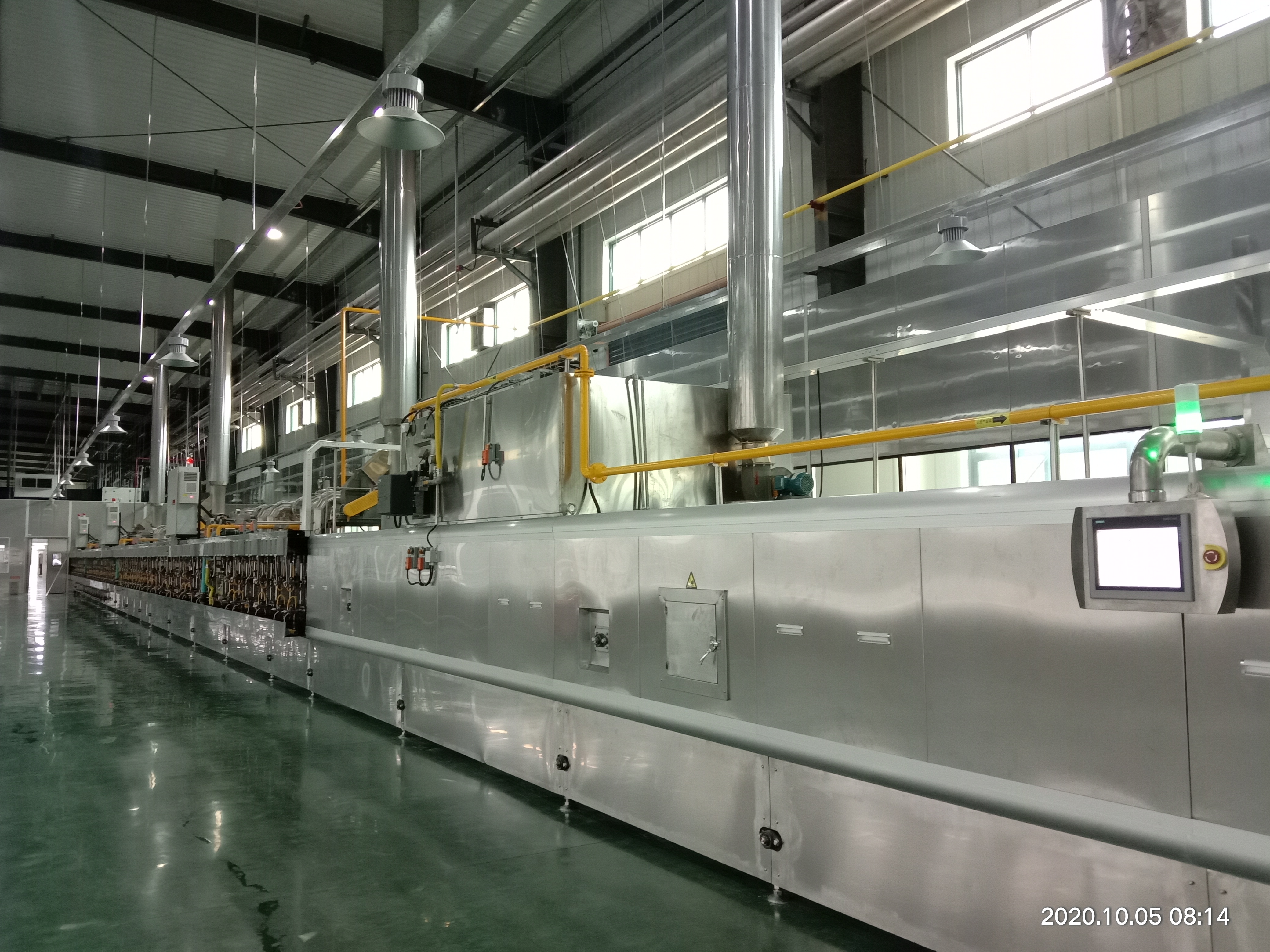 Hybrid Oven
 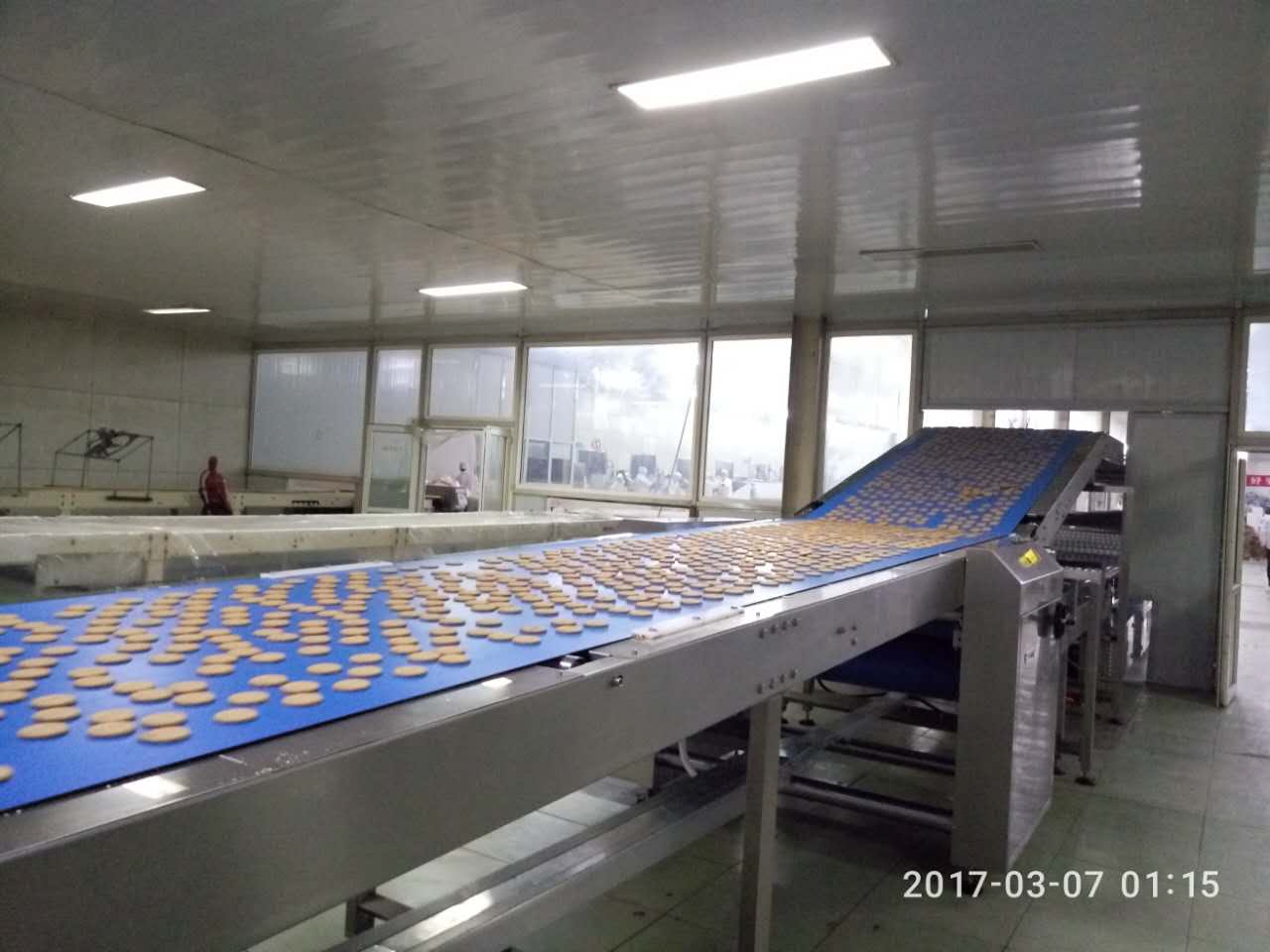 Biscuit Cooling section
 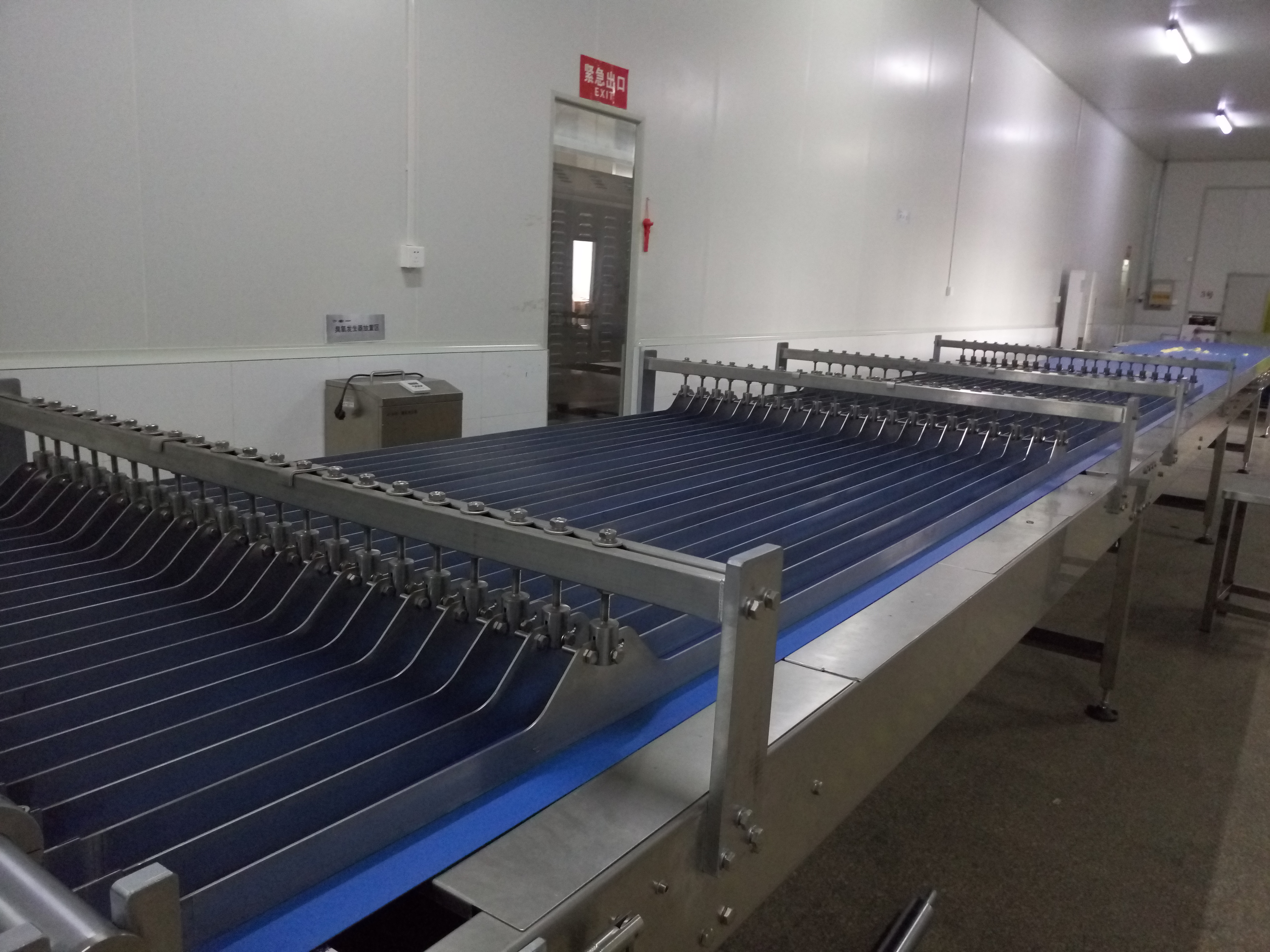 Biscuit Sorting section